
Plants
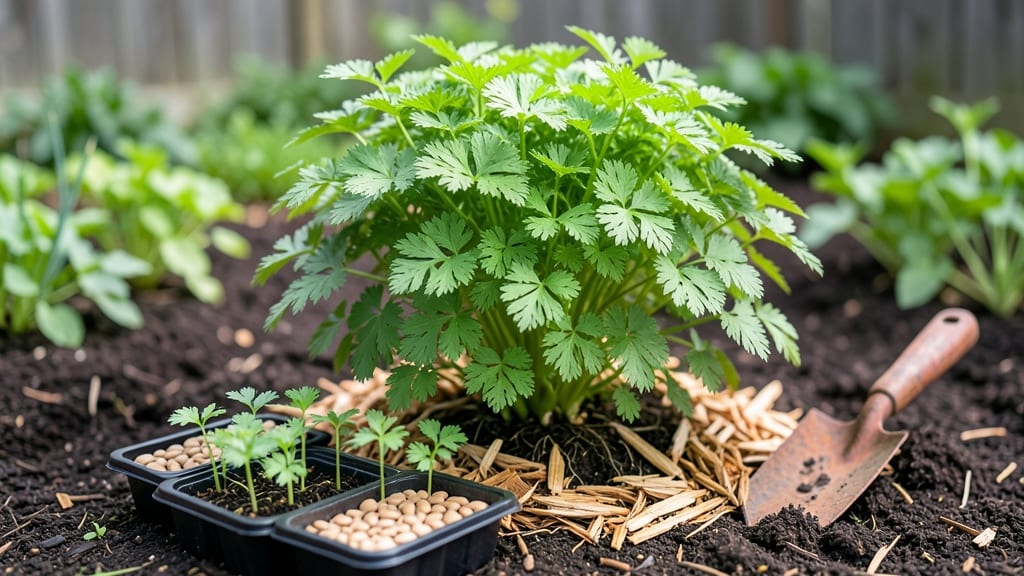
Planting cilantro in Oklahoma at the wrong time means watching your fresh 🌿 harvest turn bitter before you even taste it. The key to lush, bolt-free cilantro lies in understanding Oklahoma's unique climate zones—where a March start in northern zones might flop if you're in southern Oklahoma's warmer microclimates.
Most gardeners make one critical mistake: they wait until spring's last frost has passed completely. But cilantro hates heat—when temperatures creep above 75°F, those delicate leaves bolt faster than you can say "salsa."
That's why the ideal window is actually March-April for spring plantings, when cool evenings slow down the bolting process.
Here's what I've learned after years of trial-and-error in 6a-7b zones: fall planting (August-September) often works even better. The secret? Start seeds indoors 4-6 weeks before your target outdoor date, then transplant when soil temps drop below 70°F. This gives you a second harvest just as summer's heat fades.
Ready to grow cilantro that actually lasts? I'll walk you through the exact planting schedule, soil prep tricks, and even how to cheat the heat with shade cloth—so you can enjoy fresh cilantro from May through November without the bitter disappointment.
Best planting months for cilantro in Oklahoma’s climate zones
Oklahoma’s USDA Zones 7b-8a create a unique challenge for growing cilantro—too much heat, and your plants bolt before you can harvest. But with the right timing, you can enjoy fresh cilantro leaves from spring through fall. The key? Planting during cool-season windows when temperatures stay below 75°F.
Most gardeners in Oklahoma focus on two main planting windows: early spring and fall. Spring plantings give you a harvest before summer heat sets in, while fall plantings extend your season into cool October nights.
Let’s break down the best months for each zone and how to maximize your harvest.
⚠️ Critical Tip: Avoid planting cilantro in May through August—the intense heat will cause rapid bolting. Instead, use shade cloth or container gardening to extend your growing season if you’re desperate for fresh cilantro during summer.
| Planting Window | Best Months (Zone 7b) | Best Months (Zone 8a) | Average Soil Temp | Days to Harvest | Key Strategy |
|---|---|---|---|---|---|
| Early Spring | March 15 - April 15 | February 20 - March 30 | 55-65°F | 30-45 days | Direct sow after last frost; use row covers for early starts. |
| Late Spring | April 16 - May 10 | March 31 - April 20 | 60-70°F | 25-35 days | Plant in partial shade to delay bolting. |
| Fall | August 1 - September 15 | July 15 - August 30 | 65-75°F | 40-50 days | Sow 6-8 weeks before first frost for a late harvest. |
| Winter (Greenhouse/Container) | October 1 - November 10 | September 15 - October 30 | 50-60°F | 50-60 days | Use grow lights or move containers indoors. |
For Zone 7b (northern Oklahoma), focus on March-April and August-September plantings. The cooler nights in these months prevent bolting and encourage leafy growth. In Zone 8a (southern Oklahoma), you can push your spring planting slightly earlier—late February—but avoid planting after April 20 to prevent heat stress.
If you’re growing cilantro in containers, you can extend your season by moving pots to shadier spots during the day or placing them under drip irrigation to keep roots cool. This works especially well for Zone 8a gardeners who experience earlier heat spikes.
Pro Tip: Sow cilantro in successive batches every 2 weeks during your ideal planting windows. This ensures a continuous harvest and reduces the risk of bolting all your plants at once. For example, plant March 1, March 15, and April 1 for a staggered harvest through May.
In Zone 7b, your last frost typically arrives around March 15, so wait until then to direct sow. In Zone 8a, you can start as early as February 20, but use row covers to protect seedlings from unexpected cold snaps.
Always check your local frost dates for precise timing.
Once your cilantro reaches 3-6 inches tall, start harvesting the outer leaves to encourage bushier growth. Avoid letting it flower—those white blooms signal the end of your leafy harvest. With the right timing, you can enjoy fresh cilantro from late April through November in Oklahoma’s climate.
Remember, cilantro is a cool-season crop, so treat it like lettuce or spinach rather than a summer herb like basil. By planting in the optimal windows and providing consistent moisture, you’ll avoid the dreaded bolt and enjoy a bountiful harvest all season long.
How to extend cilantro harvests using successive planting
Oklahoma’s unpredictable heat spikes and seasonal shifts can turn cilantro from a leafy green harvest into a bolting disaster within weeks. The secret to continuous cilantro production? Successive planting—a strategy where you stagger plantings every 2-3 weeks to ensure fresh leaves when others bolt.
This method works especially well in Oklahoma’s USDA Zones 6b-8a, where spring and fall temperatures fluctuate wildly.
Start by planning your planting schedule around Oklahoma’s last frost date (mid-March) and first frost date (mid-November). The key is to avoid summer heat, which triggers bolting, and instead focus on cool-season windows.
For example, if your first planting bolts by late May, have a second batch ready to harvest in early June. With this approach, you can enjoy fresh cilantro for 6+ months instead of just a few weeks.
Here’s how to implement successive planting with precision for Oklahoma’s climate:
Spring: Plant March 1-15 (after last frost) and repeat every 2 weeks until April 30.
Fall: Plant August 15-September 15 and repeat every 2 weeks until October 15.
If you must plant in late spring or early fall, use 30-50% shade cloth to block midday heat (11 AM–3 PM). This buys you 2-3 extra weeks of leaf production before bolting.
Plant cilantro near tomatoes, beans, or lettuce to create natural shade and improve soil moisture. Avoid planting near dill or fennel, which can cross-pollinate and ruin your harvest.
Pinch off flower buds as soon as they appear and harvest outer leaves regularly. This signals the plant to focus on leaf production instead of bolting. Aim to harvest every 7-10 days for maximum yield.
Apply 2-3 inches of straw mulch around plants to keep soil cool and moist. This reduces temperature fluctuations that trigger bolting, especially in southern Oklahoma’s hotter microclimates.
For northern Oklahoma (Zone 6b), you can even try overwintering cilantro in a cold frame or unheated greenhouse. Use row covers to protect plants from freezing temperatures and extend your harvest into early December. Just be prepared to harvest before hard frosts hit.
One of my biggest successes was using successive planting to keep cilantro growing through Oklahoma’s late-spring heat waves. By planting every 14 days from March to May, I had a continuous supply of fresh leaves for salsas and soups—no bolting in sight!
The trick is to stay ahead of the heat and adjust your schedule based on your local microclimate. 🌿