
Plants
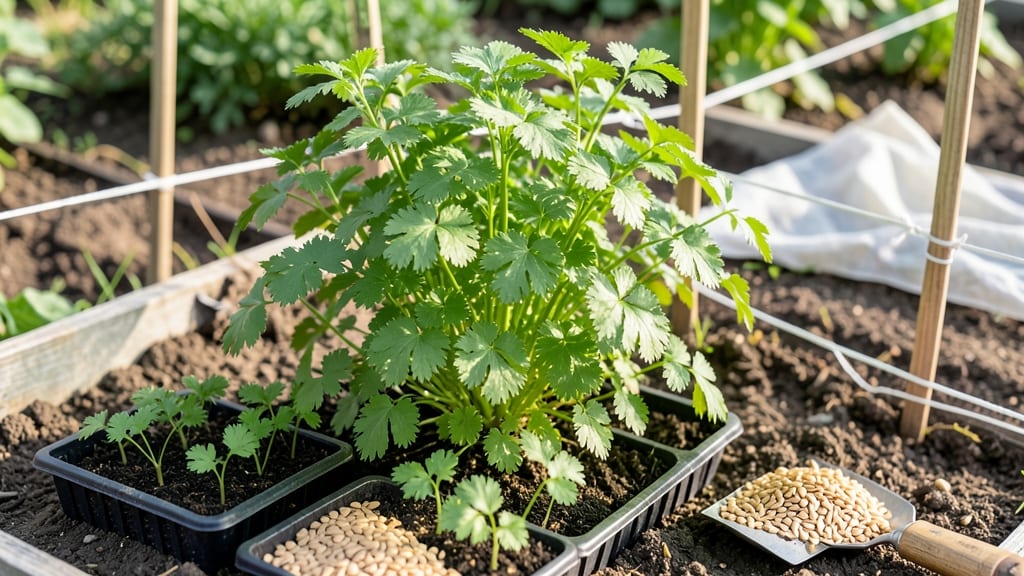
Planting cilantro in Ohio at the wrong time can turn your fresh herb dreams into a bitter, bolted mess—but get the timing right, and you’ll enjoy homegrown 🌿 all season long.
The key lies in avoiding those sweltering summer months when cilantro throws in the towel and flowers instead of flavor.
For Ohio’s Zone 6a climate, the sweet spot is early spring (March–April) or late summer (August–September), when temperatures stay cool enough to keep your cilantro happy. Miss this window, and you’ll end up with a sad, leggy plant that’s more decorative than delicious.
I’ve learned the hard way—skipping frost dates or planting too late leads to disappointment. But with the right deadlines and a few simple tricks, you can extend your harvest from May through October. Let me show you exactly when and how to plant for maximum freshness.
Whether you’re a seasoned gardener or a first-timer, these Ohio-specific tips will help you grow cilantro that’s bold, flavorful, and ready to harvest—without the stress of bolting or fading too soon.
Ohio cilantro planting calendar: frost dates and ideal timing
Ohio’s USDA zones 5-7 create a unique challenge for growing cilantro—too early, and frost zaps your seedlings; too late, and summer heat sends it bolting. The key is planting within a 6-8 week window before temperatures consistently hit 80°F+, which triggers bolting.
My strategy? Two planting seasons: early spring and late summer, timed precisely to Ohio’s frost dates.
Cilantro thrives in cool weather but wilts under intense summer sun. In Ohio, this means avoiding June-August plantings unless you’re using shade cloth. The ideal planting window shifts by region—Columbus’s last frost (mid-April) differs from Cleveland’s (late May) and Cincinnati’s (early April).
I’ll break down the exact dates so you can align your planting with your local climate.
Why timing matters: Cilantro bolts (goes to seed) when days get long and hot. Ohio’s summer solstice (June 21) marks the cutoff—plant too late, and you’ll harvest bitter, flowering stems instead of tender leaves. My fall planting starts 8-10 weeks before first frost (mid-October in most of Ohio), ensuring a second harvest before winter sets in.
For spring planting, I start seeds indoors 4-6 weeks before the last frost date. In Columbus (Zone 6a), that means sowing seeds by March 1 for transplanting in early April.
Use grow lights if your indoor space lacks sunlight—cilantro needs 12-14 hours of light daily to prevent leggy seedlings. Harden off seedlings for 7-10 days before moving them outdoors.
In fall, I switch to direct sowing 8-10 weeks before first frost. For example, in Cleveland (Zone 5b), I plant seeds by August 1 to harvest before mid-October’s frost.
Use shade cloth (30-50%) if planting in late summer to protect seedlings from heat stress. Fall cilantro often tastes sweeter because it grows slower in cooler temps.
Ohio’s heavy clay soil can be a challenge for cilantro, which prefers well-draining, fertile soil. I amend my beds with 2-3 inches of compost and mix in sand or perlite to improve drainage.
Test your soil’s pH (6.2-6.8)—cilantro struggles in acidic conditions. If your soil is too dense, consider container gardening with a lightweight potting mix for better control.
One of my biggest cilantro mistakes was planting too late in southern Ohio (Zone 7a). In 2022, I sowed seeds in late May, thinking I had until summer’s end—but by June 15, the plants bolted within days.
Now, I stick to early spring and late summer plantings and use succession planting every 2-3 weeks to extend harvests.
To avoid bolting, I prioritize partial shade in summer. In my Cincinnati garden (Zone 6b), I plant cilantro near tall basil or lettuce, which provides natural shade. For container growers, place pots in morning sun only and move them to shade by 10 AM.
Mulching with straw or shredded leaves also keeps roots cool and retains moisture.
Remember: cilantro is a cool-weather crop, and Ohio’s climate gives us two prime windows—spring and fall. By following your region’s frost dates and adjusting for heat sensitivity, you’ll enjoy fresh, flavorful cilantro for months.
Start with the summary table above, then experiment with succession planting or container growing to maximize your harvest! 🌱
How to extend your cilantro harvest in Ohio’s climate
Ohio’s summer heat and winter cold can turn cilantro from a vibrant herb into a bitter, bolted mess—but with the right strategies, you can enjoy fresh cilantro for months. The key is succession planting, shade protection, and smart companion planting to keep your plants thriving when temperatures spike.
Let’s dive into the techniques that work best in Ohio’s USDA Zones 5-7.
First, succession planting is your best friend. Instead of planting all your cilantro seeds at once, space them out every 2-3 weeks from early spring through late summer. This ensures a continuous harvest and reduces the risk of bolting from heat stress.
For example, start your first batch in early April (after the last frost) and follow up with new plantings every few weeks until mid-July.
🌱Pro Tip: Use shade cloth during peak summer months to protect your cilantro from bolting. A 30-50% shade cloth can lower soil temperatures by up to 10°F, giving your plants the cooler conditions they crave.
This is especially useful in southern Ohio, where summer temperatures can soar.
- 📅 Succession Planting: Sow seeds every 2-3 weeks from April to July for a steady supply.
- ☀️ Shade Solutions: Use 30-50% shade cloth in summer to prevent bolting from heat.
- 🪴 Container Gardening: Grow cilantro in pots for mobility—move to shade or indoors during heatwaves.
- 🌱 Companion Plants: Pair cilantro with basil or lettuce to slow bolting and deter pests.
- ✂️ Harvest Regularly: Snip leaves frequently to encourage bushier growth and delay flowering.
If you’re dealing with limited garden space, container gardening is a game-changer. Cilantro thrives in 5-6 inch pots with well-draining soil, and you can move containers to shadier spots or even indoors during heatwaves.
This flexibility lets you control the environment and extend the growing season well into fall.
Don’t overlook the power of companion planting! Cilantro grows well alongside basil, lettuce, and carrots, which can help slow bolting and keep pests at bay. For example, planting basil nearby not only improves flavor but also creates a microclimate that keeps cilantro cooler.
Avoid planting near dill or fennel, though—they can cross-pollinate and affect cilantro’s taste.
Finally, harvest regularly to encourage new growth. Pinch off the outer leaves every 2-3 weeks, and avoid letting the plant flower. If you see bolting stems, harvest the leaves immediately and compost the rest to prevent seed production.
With these techniques, you can enjoy fresh cilantro from spring through fall—no bitter surprises here! 🌿