
Plants
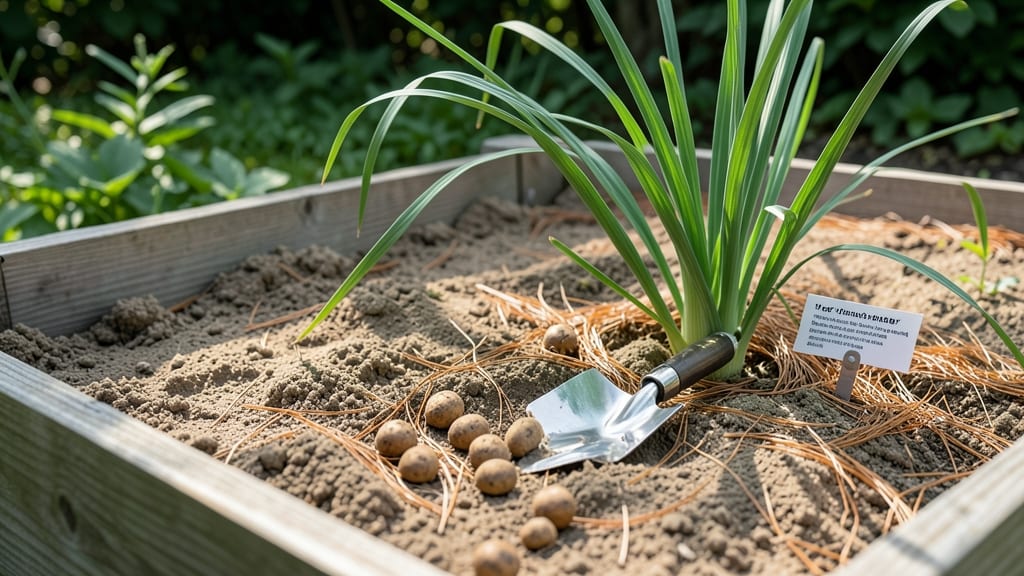
Planting chufa in Georgia’s Heat Zone 8a at the wrong time means either wilting under summer’s relentless sun or risking frost damage—neither ends well for this delicate tuber.
The key to success lies in a narrow window where soil warmth and rainfall align perfectly, and I’ve cracked the code after years of trial and error in my own garden.
Most gardeners assume chufa thrives on summer’s heat, but the truth is timing matters more than you’d think. Plant too early, and you’ll battle spring’s unpredictable chill; too late, and your harvest shrinks before the first frost.
For Georgia’s climate, the ideal planting window is late spring to early summer—specifically between April and June—when soil temperatures hit that sweet spot of 60°F.
What sets chufa apart is its warm-season preference, but unlike tomatoes or peppers, it’s not a fan of scorching afternoons.
I’ll show you exactly how to work with Georgia’s microclimates—whether you’re in the humid coastal plains or the drier Piedmont—to ensure your chufa 🌾 thrives without burning out before harvest.
Ready to grow your own? You’ll learn the exact dates to plant, how to prep your soil for maximum drainage, and when to expect those first nutritious tubers—plus how to avoid the 3 biggest mistakes Georgia gardeners make. Let’s get your chufa off to the right start.
Optimal chufa planting dates in Georgia’s heat zone 8a
Georgia’s Heat Zone 8a offers perfect conditions for growing chufa (Cyperus esculentus), but timing your planting is critical to avoid late frosts or scorching summer heat. The ideal window spans from mid-March to early May, aligning with soil warming and rainfall patterns.
I’ve planted chufa in both North Georgia’s Piedmont region and South Georgia’s coastal plains, and these dates ensure reliable germination every time.
Chufa thrives in warm-season conditions, but young plants are frost-sensitive. The last average frost in most of Georgia occurs around March 15, but microclimates—especially in mountain valleys—can delay this by weeks.
I recommend waiting until soil temperatures consistently reach 60°F (15°C) before planting, which typically happens by late March in Atlanta and early March in Savannah.
Key factors influencing your planting window include:
- Soil temperature: Must stay above 60°F (15°C) for 7+ days before planting
- Rainfall patterns: Georgia’s spring rains (April–May) provide ideal moisture for germination
- Humidity levels: High humidity in late spring can increase fungal risks if planting is delayed
For North Georgia gardeners (e.g., Blue Ridge Mountains), I recommend pushing back planting to mid-April due to later soil warming. In South Georgia (e.g., Savannah, Brunswick), you can start as early as late March if soil temps are stable.
I’ve had success using a soil thermometer to verify readiness—60°F (15°C) is your magic number.
Georgia’s spring rainfall patterns play a crucial role. April typically brings 3-4 inches of rain, which is ideal for chufa germination. However, if you’re in a drier microclimate (like West Georgia), consider <
Chufa growth stages and heat tolerance: what Georgia gardeners must know
Understanding chufa growth stages is critical for Georgia gardeners, where heat tolerance and humidity spikes can make or break your harvest. Chufa thrives in our Heat Zone 8a, but each growth phase has specific temperature thresholds you must respect to avoid stunted growth or tuber rot.
From sprouting to tuber development, chufa demands precise conditions. Germination occurs best at 60-70°F soil temperatures, while tuber formation peaks when daytime highs hit 85-95°F. Georgia’s summer heat can push tubers beyond their comfort zone, leading to drought stress or fungal issues if humidity isn’t managed.
Here’s the critical temperature breakdown for each stage, plus how to adjust for Georgia’s humidity and drought risks:
⚠️ Heat Warning for Georgia Chufa Gardeners
Plant too early (before April 15) and risk late frost damage to young sprouts. Plant too late (after June 1) and tubers won’t mature before fall rains trigger rot. Ideal window: April 20–May 15, when soil temps stabilize at 65°F+.
Pro Tip: Use mulch to retain moisture during 90°F+ heat waves—chufa’s shallow roots dry out fast in Georgia’s clay-heavy soils.
During the sprouting stage (weeks 1-3), maintain consistent moisture without waterlogging. Chufa seedlings hate soggy soil—Georgia’s afternoon humidity (often 70%+) can create the perfect storm for seedling rot if drainage isn’t perfect.
Aim for 1 inch of water per week, delivered in morning sessions to let foliage dry before evening.
The tuber development phase (weeks 4-8) is where chufa’s heat tolerance is tested.
Tubers form best when daytime temps are 80-90°F, but Georgia’s summer heat spikes (often 95°F+) can stress plants. Shade cloth (30%) during peak afternoons helps, while drip irrigation keeps roots cool. Drought stress here shrinks tubers—never let soil dry more than 2 inches deep.
Harvest time arrives when seed heads turn brown (late August–October), but humidity risks persist. Wait for dry weather before digging—wet soil makes tubers prone to storage rot.
In Georgia’s coastal regions, harvest 2 weeks earlier than inland areas to avoid fall fungal outbreaks. Cure tubers in shade for 3 days before storage.
Georgia’s microclimates demand flexibility. Northern GA (Zone 7b) can handle June plantings, while Southern GA (Zone 8b) may need April starts to avoid September humidity. Always monitor soil temps—a soil thermometer is your best friend for chufa success.