
Plants
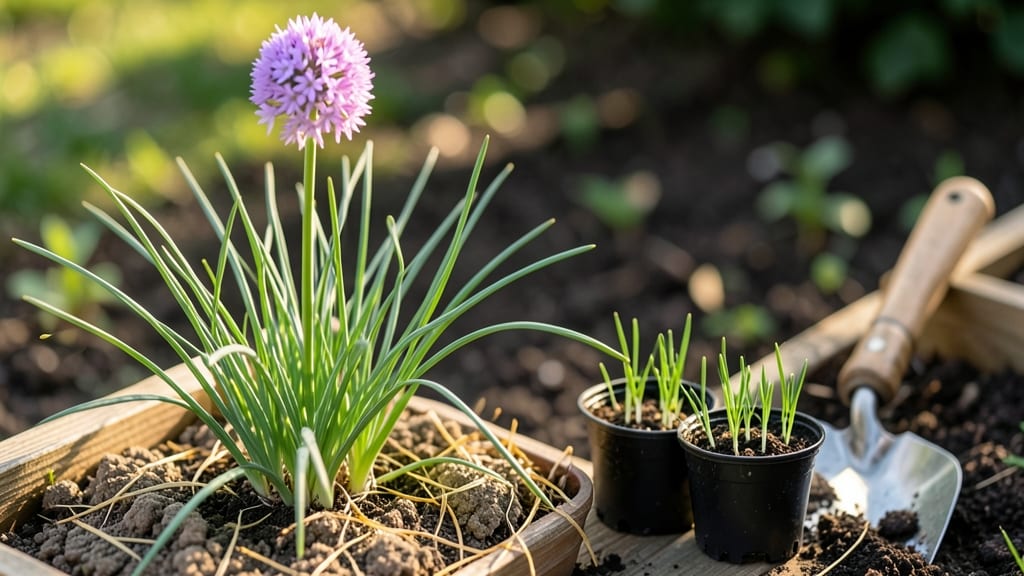
Planting chives in Texas isn’t just about timing—it’s about outsmarting the heat and avoiding the dreaded bolt that turns your fresh herbs into bitter stalks overnight.
Whether you're in North Texas’s cooler winters or South Texas’s relentless summers, getting those 🌿 chives in the ground at the right moment means the difference between a thriving kitchen garden and a sad, wilted disappointment.
Most gardeners in Zone 8a-10b swear by fall planting, but here’s the catch: if you wait too late, your chives might not establish strong roots before winter sets in. Meanwhile, spring planting can leave you scrambling to harvest before the summer sun turns your garden into a sauna.
The secret? A two-pronged approach—plant in September-November for fall harvests and again in February-March to beat the heat.
Why does this matter? Because chives are hardier than they look, and Texas’s climate can be their best friend—or worst enemy. With the right schedule, you’ll enjoy fresh chives year-round, from March-April harvests to late fall regrowth.
Let’s break down exactly when to plant, how to prep your soil, and which varieties hold up best in the Lone Star State’s extremes.
Ready to grow chives that actually survive Texas summers? I’ll walk you through the perfect planting windows, soil tricks, and even how to cheat the heat so your chives keep coming back—no matter where you are in the state. Let’s get started.
Best planting windows for chives in Texas climates
Texas's diverse climate—from North Texas's chilly winters to South Texas's scorching summers—means chives thrive best with strategic timing. In North Texas (Zones 7-8), frost can hit as early as November 15, while South Texas (Zones 9-10) rarely sees frost.
This means your planting schedule should shift based on your region to avoid heat stress or winter dormancy issues. The key? Plant in fall or early spring when soil temps are cool but stable.
For continuous harvests, I recommend a two-pronged approach: sow seeds or transplant 4-6 weeks before the first frost (typically September-October in North Texas and October-November in South Texas) and again in February-March.
This ensures you’ll have fresh chives for spring and fall harvests, skipping the brutal summer months when chives often bolt or wilt.
Here’s how Texas’s three main regions differ in their ideal planting windows:
In North Texas, where frost is a real threat, I’ve had the most success planting chives in late September. This gives them time to establish roots before winter, and they’ll be ready for an early spring harvest by March.
For Central Texas, aim for early October to avoid the 100°F+ summers—chives can survive brief heat waves but will bolt prematurely if stressed.
South Texas gardeners have the easiest time with year-round growth, but even here, summer planting is risky. I’ve seen chives planted in June wilt within weeks unless given constant shade and deep watering.
Instead, focus on fall planting (October-November) and early spring (January-February) for consistent yields. For a continuous supply, stagger plantings every 2-3 weeks in fall and spring.
If you’re eager for summer chives, try container gardening with self-watering pots. Place them in a shady spot (like under a patio cover) and keep soil moist.
I’ve grown chives this way in August with daily misting, though the flavor is milder. For best results, harvest sparingly to avoid stressing the plant.
Pro tip: Test your soil temperature before planting. Chives prefer soil between 45°F and 75°F. In Texas, this means waiting until late afternoon soil temps drop below 80°F in summer.
Use a soil thermometer—it’s a game-changer for avoiding heat shock. I always plant mine when the 7-day forecast shows temps below 90°F.
For fall harvests, plant in late summer (August-September in North Texas) so chives mature before winter. They’ll overwinter easily and reward you with early spring growth. In South Texas, where winters are mild, you can even plant in December for a spring harvest.
Just remember: chives are hardy but not heat-loving—they’ll tell you when they’re unhappy with yellowing leaves or flopping stems.
To maximize your harvest, pair chives with companion plants like lavender or thyme, which provide shade and deter pests. I’ve also had luck growing them alongside tomatoes—the chives repel aphids while adding flavor to your homegrown salsa.
With the right timing and a little shade, you’ll enjoy fresh chives year-round, even in Texas’s toughest climate. 🌿
How to extend chive growth through Texas heat waves
Texas summers can turn your chives into crispy, sad stalks if you don’t act fast. But with the right tricks, you can keep your chives thriving even when temperatures soar past 100°F.
The key is combining shade protection, smart watering, and strategic companion planting to shield them from the brutal sun. I’ve learned these methods after years of trial-and-error in my San Antonio garden, where chives once wilted by noon.
First, focus on soil moisture—chives hate drying out. Their roots need consistent dampness, but overwatering leads to rot. I use drip irrigation set to run early morning (before 8 AM) to keep soil evenly moist without encouraging fungal growth.
Mulching with straw or wood chips locks in moisture and keeps roots cool, which is a game-changer in Zone 9 heat.
⚠️ WARNING: Heat Stress Signs in Chives ⚠️
For long-term survival, pair chives with heat-tolerant companions like bush beans or marigolds. These plants create natural shade while deterring pests. I also plant chives near tomato plants—the tomatoes’ height blocks harsh afternoon rays, and the chives thrive in their dappled shade. Avoid planting near lavender, though; it competes for water and stunts growth.
If your chives take a summer hit, don’t despair—fall replanting is your backup plan. Start new seeds or transplants in late August (6–8 weeks before first frost) to ensure a second harvest by October.
I’ve had success with garlic chives, which handle heat slightly better than common chives. Just be sure to harden off seedlings gradually to avoid shock from Texas’s sudden temperature swings.
Finally, harvest strategically during heat waves. Cut leaves to half their height in the morning when they’re hydrated, leaving at least 3 inches to regrow. This reduces stress on the plant.
I also avoid harvesting during 100°F+ days—let the chives focus on survival, not regrowth. With these adjustments, my chives now survive summer and even bolt less than before.
Remember, Texas heat is relentless, but chives are resilient. Combine shade, water discipline, and companion planting, and you’ll enjoy fresh chives year-round—even in July. 🌿