
Plants
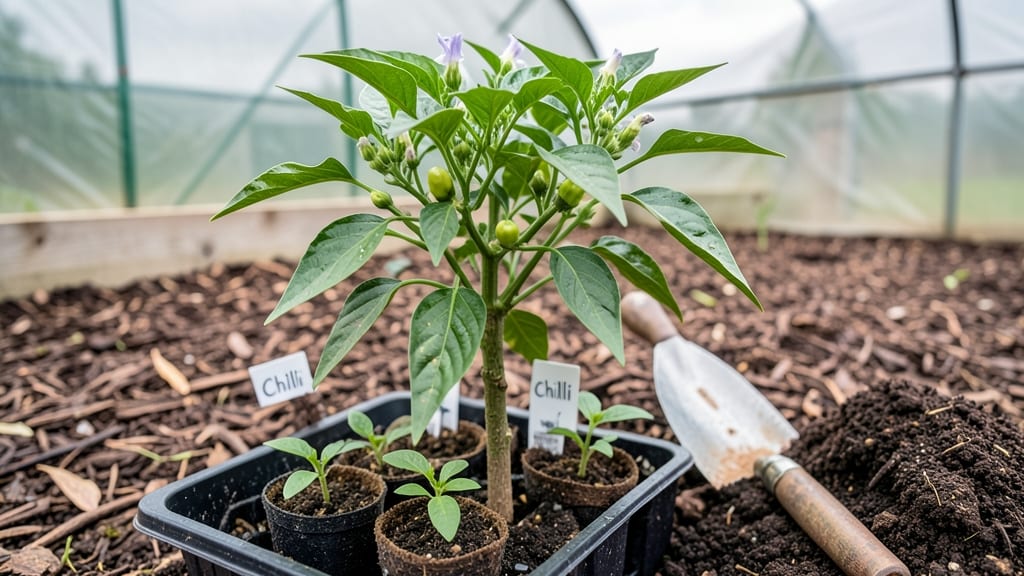
When to plant chillies in the UK is all about timing—get it just right, and you’ll reap a fiery harvest; get it wrong, and frost will ruin your chances. With mid-April to early June being the critical window after last frost, you can finally grow those 🌶️ peppers without the gamble.
Most UK gardeners in zones 8a-9a make the mistake of waiting too long, only to watch their plants struggle as summer fades. But starting seeds indoors 8-10 weeks before your last frost date gives you the edge—especially in cooler regions where the growing season feels all too short.
I’ve tested the best methods for beating British weather, from greenhouse hacks to protecting seedlings with cloches. Whether you’re a first-timer or a seasoned grower, these exact timing tips will help you avoid common pitfalls and maximize your harvest from July to October.
Let’s dive into the precise calendar, regional adjustments, and pro tricks to turn your chilli dreams into a spicy reality—no frost, no stress, just bold flavors.
UK chilli planting calendar: exact months by region for zero frost risk
Timing is everything when growing chillies in the UK. A single late frost can wipe out tender seedlings, while planting too late leaves you with puny harvests. The key is knowing your last frost dates and adjusting for your region's microclimate.
Southern UK gardeners enjoy earlier planting windows than those in Scotland, where even a light frost can devastate young plants.
Chillies thrive in warm soil temperatures (above 15°C/59°F) and need at least 6-8 weeks of frost-free growing time to produce fruit. That means starting seeds indoors or using a greenhouse is often essential for Northern UK regions.
Even in milder areas, a greenhouse or cold frame can extend your season by weeks.
Below is your region-specific planting calendar, accounting for the UK's USDA zones 8a-9a and typical last frost dates. Use this as your guide to avoid the most common mistakes—like planting too early and risking frost damage or waiting too long and missing the harvest window.
For Southern UK gardeners, you can push your luck slightly by starting seeds outdoors under cloches or fleece in early April. However, even a light frost (below 2°C/36°F) can damage young seedlings, so always have a backup plan.
In Central UK, aim to have hardened-off seedlings ready by late May—this gives your chillies enough time to establish roots before the first autumn frosts arrive in October.
In Northern UK and Scotland, the window is tighter. If you're not using a greenhouse, focus on heat-loving varieties like 'Apache' or 'Carolina Reaper' and prioritize indoor starts.
Even then, expect a shorter harvest season, with most chillies ripening by September. For these regions, grow lights can be a game-changer, extending the growing season by weeks.
Pro tip: Soil temperature matters just as much as air temperature. Use a soil thermometer to confirm your soil is above 15°C (59°F) before planting outdoors. Cold soil slows germination and stunts growth.
If your soil is still chilly, wait a few more weeks or use black plastic mulch to warm it up faster.
Don’t forget about microclimates—your garden might be warmer than the general forecast. South-facing walls, paved areas, and greenhouses create pockets of warmth that can push your planting window earlier.
For example, a greenhouse in Scotland can be 5-10°C warmer than the outside air, allowing you to plant weeks ahead of the regional average.
Finally, variety choice plays a role. Fast-maturing varieties (60-70 days to harvest) like 'Padron' or 'Jalapeño' are better suited for Northern UK gardens, while slower varieties (90+ days) like 'Habanero' or 'Ghost Pepper' need the longer seasons of the South.
Always check the days to maturity on seed packets and work backward from your first frost date.
With this calendar, you’ll avoid the heartbreak of frost-nipped seedlings and maximize your chilli harvest. Next, we’ll cover how to extend your growing season with greenhouses and indoor hacks—perfect for pushing those chillies to maturity even in the UK’s cooler climates. 🌱
How to extend the UK chilli growing season: indoor starts, greenhouses & heat hacks
UK chillies thrive with warmth, but our unpredictable climate makes growing them tricky. The secret to success lies in starting early indoors and using clever heat tricks to protect your plants. By combining indoor seed starts with greenhouse extensions, you can turn a short season into a fiery harvest.
Even a simple cold frame can add critical weeks to your growing window.
Chillies need consistent warmth—ideal soil temps hover around 20-25°C (68-77°F). In the UK, this means starting seeds indoors in March and hardening off plants by May for outdoor planting.
Without these strategies, most chillies won’t mature before the first frost. Let’s break down the exact steps to beat the British weather.
- 1 Start seeds indoors in March—8-10 weeks before your last frost date. Use grow lights for 14-16 hours daily to mimic summer sun.
- 2 Use a greenhouse or polytunnel to extend the season by 4-6 weeks. Place plants on black polythene to warm soil faster.
- 3 Protect outdoor plants with cloches or fleece wraps. Even a mini greenhouse over a single plant can add 5-10°C of warmth.
- 4 Use heat mats under seed trays to maintain 20°C soil temps. This speeds up germination and early growth by 30%.
- 5 Choose fast-maturing varieties like ‘Apache’ (60 days) or ‘Padron’ (75 days). These thrive in cooler UK summers and still produce bold flavors.
If you’re growing chillies in a greenhouse, prioritize ventilation to prevent overheating. Open vents on mild days and use shade cloth if temps exceed 30°C (86°F). A simple thermometer inside your greenhouse helps monitor conditions—chillies wilt quickly in heatwaves.
For outdoor plants, cloches are your best friend after the last frost. Even a DIY plastic bottle cloche can protect young plants from late frosts.
Don’t forget to harden off seedlings before moving them outdoors. Gradually expose them to wind and cooler temps over 7-10 days to avoid shock. Start with 2 hours daily and increase time each day.
This toughens up plants so they’re ready for the UK’s unpredictable spring weather. A well-hardened chilli will bounce back from light frosts and even chilly nights.
For ultimate heat retention, mulch around plants with straw or black cardboard. This keeps soil 5-10°C warmer than bare earth. Pair this with drip irrigation to maintain moisture without wetting leaves—damp foliage invites fungal diseases like powdery mildew.
With these tricks, you’ll push your harvest into October or even November in milder UK regions.
Remember, patience is key. Chillies grow slowly in cool weather, but with the right setup, you’ll enjoy homegrown heat long after your neighbors’ gardens have gone quiet.
Start early, protect your plants, and soon you’ll be the one sharing fresh, fiery peppers with friends—no matter what the UK weather throws at you. 🌶️