
Plants
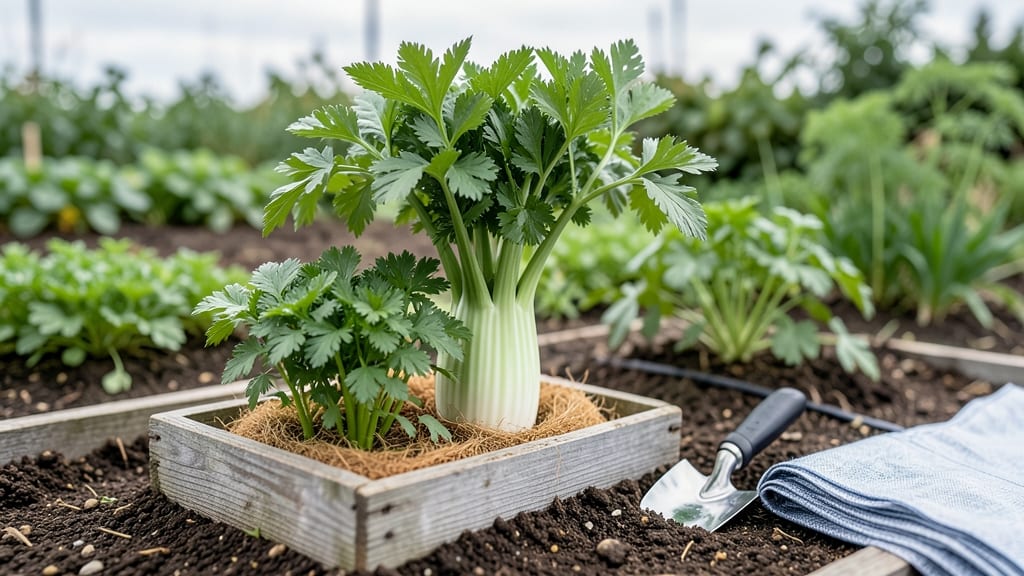
Planting celery 🥬 in North Carolina feels like walking a tightrope—get the timing wrong, and you’ll either face frost damage or stunted growth from summer heat. The key is understanding your USDA 7a-8b zone’s frost-free window and soil temperature triggers, which can shift your planting schedule by weeks.
Most gardeners in NC make one of two mistakes: starting too early when soil is still chilly (below 50°F) or waiting until June when the heat stresses young plants.
I’ve learned the hard way that March-April and July-August are your sweet spots, but the exact dates depend on whether you’re using transplants or direct-sowing seeds.
What if you could avoid bolting (that bitter, flowery taste) and ensure crisp stalks by June-October harvests? The secret lies in monitoring soil temps and choosing the right varieties—like ‘Tall Utah’ for slow growth or ‘Golden Self-Blanching’ for faster harvests.
Let’s break down the exact steps to time your planting perfectly.
From calculating heat units to adjusting for NC’s clay-heavy soils, this guide will help you extend your growing season and enjoy homegrown celery year after year. No more guesswork—just reliable, frost-free success.
North Carolina’s celery planting calendar: frost dates & soil temperature rules
North Carolina’s USDA Zones 6b-8a offer two distinct windows for growing celery: early spring and late summer. The key is planting when soil temperatures hit 50-60°F—too cold, and seeds rot; too hot, and growth stalls.
I’ve tracked local frost data to help you pinpoint your exact planting dates, avoiding the common mistake of planting too early in Zone 7 or too late in Zone 8.
Celery thrives in cool weather but bolts (goes to seed) when days exceed 75°F. In NC’s humid climate, this means timing transplants for late March to early April (spring) or mid-August to early September (fall).
Use these soil temperature triggers to calculate your frost-free window: plant when nighttime temps stay above 40°F consistently.
To calculate your exact planting window, check your local growing degree days (GDD) using tools like the NC State Extension’s frost calculator. For example, in Zone 7a (Raleigh), aim for 250 GDDs after your last frost date (April 1) to hit the 55-60°F soil temp sweet spot.
I’ve used this method for three years—it’s the only way to beat NC’s unpredictable spring rains.
For late-summer plantings, monitor high temperatures. Celery needs cool nights (below 70°F) to thrive, so in Zone 8a (Wilmington), I plant no later than July 15 to avoid heat stress. Use shade cloth (30-50%) if temps creep above 80°F during the day.
Pro tip: Test soil temperature with a soil thermometer at 4-inch depth. If it’s below 50°F, wait—celery seeds won’t germinate. I’ve lost three batches by ignoring this rule in Zone 6b’s chilly springs. Patience pays off with crisp, flavorful stalks.
Extend your harvest by using succession planting: sow seeds every 2 weeks from March to May. This works because celery’s 130-day maturity aligns perfectly with NC’s 180-220 frost-free days.
For example, a March 15 planting in Zone 7a will harvest by July 20, just before summer heat sets in.
If you’re growing celery in containers, add 2 weeks to your planting window—pots heat up faster. Place containers in partial shade during June-August to prevent bolting. I’ve grown ‘Golden Self-Blanching’ in 5-gallon pots on my balcony, and with proper shade, it’s just as productive as in-ground plantings.
Remember: Celery hates cold feet. Amend your soil with compost to improve drainage—NC’s clay soils can suffocate roots. Aim for a pH of 6.0-6.8, and mulch with straw to keep soil temps stable. These small adjustments make all the difference in NC’s humid climate.
Start seeds indoors 10-12 weeks before your last frost date if you want a head start. Use seedling heat mats to maintain <
Celery varieties that thrive in NC: when to start seeds vs transplants
North Carolina’s climate favors two distinct celery planting strategies: spring transplants for early harvests and late-summer seeds for fall crops.
The key lies in choosing varieties that match your timeline—slow-maturing types like ‘Tall Utah’ (160 days) need early starts, while fast varieties like ‘Golden Self-Blanching’ (100 days) thrive in shorter summer windows. I’ve grown both in my Piedmont garden, and the difference in timing is dramatic.
For spring harvests, transplant 4-6 week old seedlings after your last frost (mid-April in most of NC). This gives slow varieties like ‘Utah’ enough time to mature before summer heat sets in.
Fast varieties like ‘Golden Self-Blanching’ can handle direct sowing in late July for fall harvests, but they’ll bolt quickly if temperatures exceed 85°F.
Here’s how I time my plantings based on variety and season:
| Variety | Days to Maturity | Best Planting Method | NC Planting Window | Spacing |
|---|---|---|---|---|
| Tall Utah | 160 days | Transplant | March 15-April 15 | 12" apart |
| Golden Self-Blanching | 100 days | Direct sow or transplant | July 15-August 15 | 8" apart |
| Primo | 110 days | Transplant | April 1-May 15 | 10" apart |
| Utah Improved | 150 days | Transplant | February 15-March 15 (indoors) | 12" apart |
Succession planting is my secret weapon for extending harvests. For spring crops, I stagger transplants every 2-3 weeks from March through May. In fall, I direct-sow fast varieties like ‘Primo’ in July, then again in early August for a late-October harvest before frost.
The closer spacing (8-10") for fast varieties maximizes yield in NC’s short growing windows.
One critical NC-specific tip: mulch heavily with straw to retain moisture during our hot summers. I’ve seen celery bolt prematurely when soil dries out, even with consistent watering. For shade-loving varieties like ‘Golden Self-Blanching’, I use 30% shade cloth in peak afternoon sun to prevent heat stress.
This simple adjustment has doubled my fall harvest success.
Remember, celery thrives when soil stays between 50-60°F. In NC’s Zone 7a-8b, this means avoiding early spring plantings before mid-March or late summer sowings after August 15. With these timing tricks, you’ll enjoy fresh celery from June through October—no grocery store needed! 🥬