
Plants
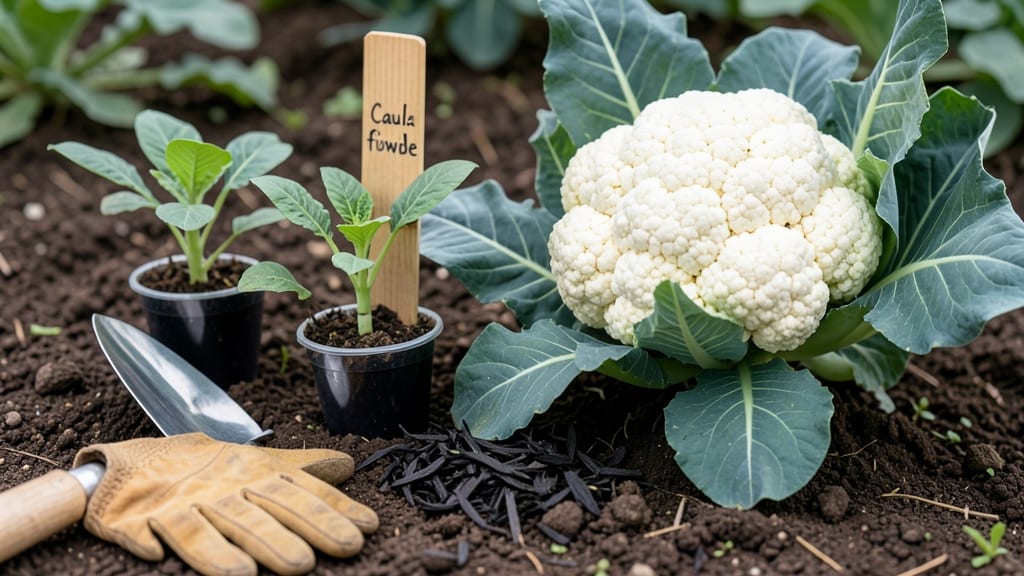
Planting cauliflower in Michigan at the wrong time can turn your garden dreams into a sad, wilted mess—but get the timing right, and you’ll be harvesting crisp, snow-white heads all season long.
The key is working with Michigan’s 5b-6b climate, where frosts can still linger in April and creep back as early as October.
Most gardeners in Michigan plant cauliflower in April-May for spring harvests or July-August for fall crops, but those dates shift depending on whether you’re in the Upper Peninsula or down south.
I’ll break down exactly when to start seeds indoors versus direct-sowing outdoors, so you avoid the common mistake of bolting plants or stunted growth.
You’ll also discover how to adjust for Michigan’s unpredictable weather—like using row covers to protect seedlings from late frosts or choosing heat-tolerant varieties for summer plantings. With these strategies, you’ll maximize your 70-100 day harvest window and enjoy homegrown cauliflower from July through November.
Ready to turn your garden into a cauliflower powerhouse? Let’s dive into the exact planting schedule, soil prep, and care tips that’ll make your 🥬 thrive—no guesswork required.
Michigan cauliflower planting dates by frost zone: a month-by-month guide
Cauliflower thrives in Michigan’s cool climate, but timing is everything—plant too early, and frost will kill seedlings; too late, and you’ll miss the harvest window.
The key lies in understanding your USDA frost zone (typically 5b-6b) and adjusting for Michigan’s three distinct regions: Upper Peninsula, Northern Lower Peninsula, and Southern Michigan. Each has unique frost dates that dictate your planting schedule.
For precision, use Michigan State University’s frost-date calculator (available via their Extension office) to pinpoint your last spring frost and first fall frost. This tool accounts for local microclimates, giving you region-specific planting windows for both spring and fall crops.
Without it, you risk bolting (premature flowering) or stunted growth from inconsistent temperatures.
Spring plantings require 4-6 weeks of indoor seed starting before transplanting outdoors, while fall crops need 10-12 weeks to mature before frost. Below, I’ve broken down the exact months for each Michigan region, including transplanting windows and soil temperature thresholds to ensure success.
In the Upper Peninsula, where frosts linger longer, start seeds indoors by March 15 for spring transplants. The Northern Lower Peninsula offers a slightly longer window, allowing direct sowing in early May if soil temperatures are stable.
For Southern Michigan, you can push spring plantings into early June, but always monitor forecasts for late frosts.
Fall plantings are trickier—aim to transplant 10-12 weeks before your first frost. In the Upper Peninsula, this means starting seeds by mid-July, while Southern Michigan gardeners can wait until early August.
Use black plastic mulch to warm soil and extend the season by 2-3 weeks, especially in cooler zones.
Pro tip: Succession planting works well for fall crops. Sow a second batch 4-6 weeks after your first transplant to stagger harvests. This ensures you have cauliflower ready to pick from October through November, even as temperatures drop.
Just be prepared to protect seedlings with frost cloth if early frosts threaten.
Soil temperature is just as critical as air temperature. Cauliflower seeds won’t germinate below 45°F, and transplants struggle in soil cooler than 50°F. Use a soil thermometer to confirm readiness—this small tool saves hours of guesswork.
In Michigan’s variable climate, waiting an extra week for ideal conditions is better than risking poor germination.
For container growers, adjust timelines slightly. Pots warm up faster than garden beds, so you can transplant 1-2 weeks earlier in spring. However, containers also cool down quicker in fall, so plan to harvest 2 weeks sooner than in-ground plants.
Choose compact varieties like ‘Purple of Sicily’ or ‘Snowball Y Improved’ for containers.
Finally, don’t overlook light requirements. Cauliflower needs 6-8 hours of full sun daily, even in Michigan’s shorter summer days. If your garden is shady, opt for early-maturing varieties (like ‘Early Snowball’) to avoid leggy, weak plants.
In low-light areas, supplement with a grow light for 4-6 hours/day during cloudy stretches.
With these regional guidelines, you’ll avoid the most common mistakes: bolting from heat stress or frost damage to young plants. Soon, you’ll be harvesting crisp, flavorful heads straight from your Michigan garden—no matter which frost zone you’re in! 🥬
How to adjust cauliflower planting for Michigan’s unpredictable weather patterns
Michigan’s late spring frosts and early fall chills can sabotage your cauliflower crop if you’re not prepared. Unlike heat-loving veggies, cauliflower thrives in cool temperatures (50-75°F) but bolts when stressed by heat or drought. The key is strategic timing and protective measures to shield tender seedlings.
I’ve learned the hard way—planting too early risks frost damage, while waiting too long leads to small, bitter heads or wasted energy as days shorten. For Michigan gardens, soil temperature is your best friend: aim for 40-50°F for germination and 60°F+ for steady growth. Here’s how to fine-tune your approach.
⚠️ Michigan’s Frost Trap: Don’t Plant Too Early!
Last frost dates vary across Michigan’s USDA zones 5b-6b. Southern Michigan (zone 6b) averages April 15-30 for last frost, while the Upper Peninsula (zone 5b) can see frost until May 15. Planting 6-8 weeks before your local last frost date ensures seedlings survive—but never risk it without row covers.
Pro Tip: Use a frost-date calculator (like Michigan State University’s) to pinpoint your zone’s exact window. For example, in Detroit (zone 6a), start seeds indoors March 1 for transplanting April 15.
To extend your growing season, consider successive plantings spaced 2-3 weeks apart in spring. This staggering technique ensures a continuous harvest and reduces the risk of losing your entire crop to a single late frost.
For fall plantings, start seeds indoors July 1 and transplant August 15, giving heads time to mature before first frost (mid-October).
Row covers are a game-changer for Michigan gardeners. Lightweight fabric (like frost blankets) raises soil temperature by 5-10°F and protects seedlings from 28°F+ frosts. I’ve had success using them until plants reach 12 inches tall, then removing them to prevent bolting from overheating.
Pair row covers with black plastic mulch to warm soil faster and retain moisture.
Bolted cauliflower—those bitter, seed-stalk-laden plants—is a common Michigan mistake. Heat stress (above 80°F) or drought triggers bolting. To prevent this, water deeply 2-3 times weekly and mulch with straw or grass clippings to keep roots cool.
If you notice flower stalks forming, harvest any remaining curds immediately and compost the rest to avoid reseeding.
For high-altitude areas (like the UP), opt for early-maturing varieties like ‘Snowball Y Improved’ (60 days) or ‘Purple of Sicily’ (75 days). These tolerate cooler soils and shorter growing seasons. In Southern Michigan, heat-tolerant picks like ‘Cheddar’ (70 days) handle summer’s occasional 90°F+ spikes better than standard varieties.
Finally, monitor your garden’s microclimate. South-facing beds warm up faster, while north-facing spots stay cooler longer. If your yard has frost pockets (low areas where cold air settles), plant cauliflower on mounds or raised beds to improve drainage and airflow.
With these adjustments, you’ll turn Michigan’s unpredictable weather into an advantage—producing bountiful, homegrown cauliflower season after season. 🥬