
Plants
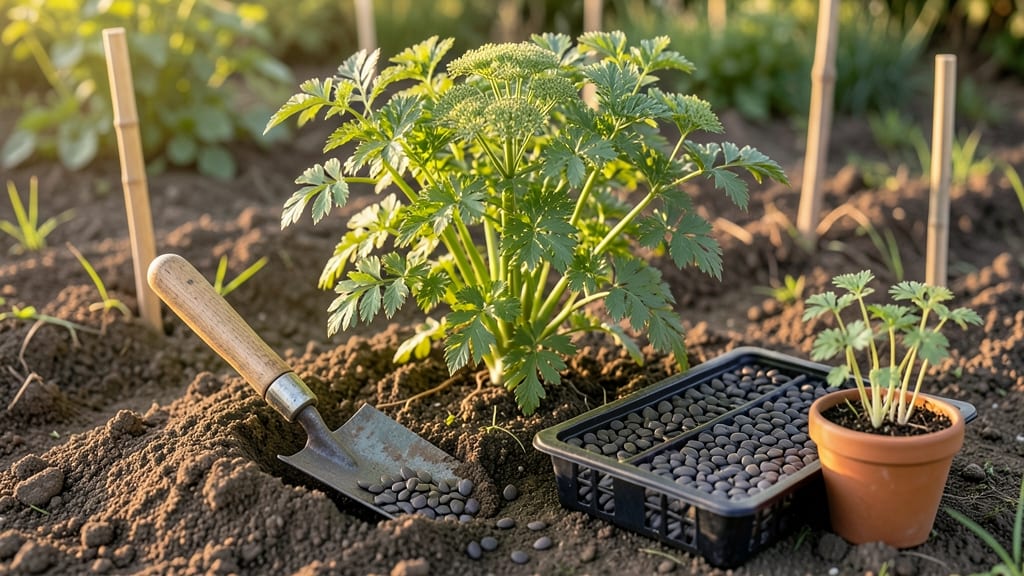
Timing your 🥕 carrot planting in Nebraska isn’t just about the calendar—it’s about soil temperature, and getting it wrong means waiting weeks for sprouts (or giving up entirely).
Most gardeners assume "spring" is one big window, but Nebraska’s 5a-6b zones demand precision: plant too early, and frost zaps your seeds; too late, and summer heat stresses young roots.
Here’s the fast secret: carrots need soil at 50°F+ to germinate reliably, and Nebraska’s unpredictable swings make that a moving target.
I’ll show you exactly how to test soil temperature (without fancy tools) and adjust your planting schedule for both spring and fall crops—so you can sidestep the guesswork and enjoy a steady harvest from June through October.
Why does this matter? Because slow germination isn’t just frustrating—it leaves your carrots vulnerable to pests, diseases, and bolting. Whether you’re a first-time gardener or a veteran with patchy results, these climate-smart tricks will help you time your plantings like a pro.
Let’s dive into the exact windows that work in your neck of the woods.
You’ll also discover which fast-maturing varieties thrive in Nebraska’s short season (hint: ‘Paris Market’ beats ‘Danvers’ for speed) and how to stretch your growing season with row covers—so you can enjoy homegrown 🥕 carrots from spring through fall without the usual headaches. Ready to plant with confidence?
Nebraska carrot planting calendar: best months by microclimate
Nebraska’s diverse microclimates mean your carrot planting timeline should differ whether you’re in the Panhandle’s arid zone or Omaha’s humid climate. The key? Soil temperature—carrots need 50°F+ soil to germinate reliably.
In Lincoln (Zone 5b), you’ve got a 6-week window longer than the Panhandle (Zone 5a) for spring planting.
Most gardeners in Nebraska plant twice a year: spring (April–May) for summer harvests and late summer (July–August) for fall crops. The last frost date varies wildly—April 15 in Omaha vs. May 1 in the Panhandle—so adjust your calendar accordingly.
For fall planting, aim to harvest before first frost (October 15).
Here’s your microclimate-specific carrot planting calendar, including soil warm-up timelines and ideal transplant windows:
| Region | Spring Planting Window | Soil Temp for Germination | Fall Planting Window | Notes |
|---|---|---|---|---|
| Panhandle (Zone 5a) | Late April–early June | 50–55°F (use row covers) | Late July–early August | Short season—choose fast varieties |
| Omaha (Zone 5b) | Mid-April–mid-June | 50–58°F (soil warms faster) | Late July–mid-August | Humidity risks—space plants well |
| Lincoln (Zone 6a) | Early April–late June | 50–60°F (longer warm-up) | Early July–late August | Best for succession planting |
Direct sowing is the gold standard for carrots—starter plants struggle with transplant shock. But if you’re using seedlings (rare for carrots), wait until soil is 60°F+ and harden them off for 7–10 days before planting. In Omaha’s humidity, watch for leaf blight—space seeds 2 inches apart to improve airflow.
For fall crops, Nebraska gardeners often plant Paris Market carrots (mature in 50 days) in late July to harvest before frost.
In the Panhandle, where nights cool faster, use black plastic mulch to retain heat. Succession plant every 2 weeks in spring for continuous harvests—just stop 8 weeks before first frost.
Pro tip: Test your soil with a moisture meter—carrots need consistent moisture but hate soggy soil. In Lincoln’s clay-heavy soil, mix in compost to loosen texture and prevent forked roots.
If your soil stays below 50°F past May 15, delay planting or use a cold frame.
Nebraska Extension recommends ‘Danvers’ for storage and ‘Nantes’ for sweetness—both thrive in full sun (6+ hours). Avoid planting where parsley or dill grew last year (they share pests). And if you’re in the Panhandle, irrigate deeply 2–3x/week—drought stress causes bitter roots.
Remember: Carrot seeds are tiny—cover them with 1/4-inch soil and keep them moist until germination (10–21 days). Thin seedlings to 3 inches apart to prevent competition. In Omaha’s heat waves, mulch with straw to keep roots cool and moist.
🌱
Soil temperature secrets: how to test and time carrot germination
Carrots are finicky about soil temperatures—plant too early in Nebraska’s chilly springs, and your seeds will rot. Too late, and you’ll miss the 60-80 day growing window before fall frost.
The magic number? 50°F soil consistently for 7-10 days. Without testing, you’re guessing whether your garden is ready or still too cold.
I’ve learned the hard way that air temperature ≠ soil temperature. A 60°F morning might hide 45°F soil just inches down—perfect for seed failure. Here’s how I now test and time carrot planting like a pro, even with Nebraska’s unpredictable weather patterns.
🌱 Carrot Germination Timeline in Nebraska
- 🌡️ Soil at 50°F+ for 7+ days → Plant seeds (Mid-April to early May in most zones)
- 🌱 Germination in 7-21 days (slower in cooler soils, faster when warm)
- 🌿 Thin seedlings to 2-3" apart when 2" tall (critical for straight roots!)
- ⏰ Harvest window: 60-80 days after planting (June-October)
- 🍂 Fall planting: Late July to early August for late-season harvests
For precise timing, I use a soil thermometer (just $10 at garden centers) buried 2" deep—carrot seeds need that consistent warmth. If your thermometer reads below 50°F in the morning, wait. Pro tip: Nebraska’s Panhandle warms faster than Omaha; adjust your planting by 1-2 weeks accordingly.
No thermometer? Try the finger test: Stick your finger 2" into damp soil. If it feels chilly but not freezing, it’s likely 50°F+. Too cold? Cover beds with black plastic mulch 24 hours before planting to warm the soil faster. I’ve added 3-5°F this way during borderline springs.
Cold snaps after planting? Don’t panic. Carrot seeds can handle 32°F soil briefly, but sprouts need protection. I use floating row covers (like Reemay) to add 5-8°F of warmth. For late fall plantings, these covers also delay frost damage by 2-3 weeks, extending your harvest window.
Timing matters even more for short-season varieties like ‘Paris Market’ (50 days) vs. ‘Danvers’ (75 days). Plant your fastest maturing carrots first in early May, then succession plant every 2 weeks until July. This ensures continuous harvests before Nebraska’s first frost—typically mid-October.