
Plants
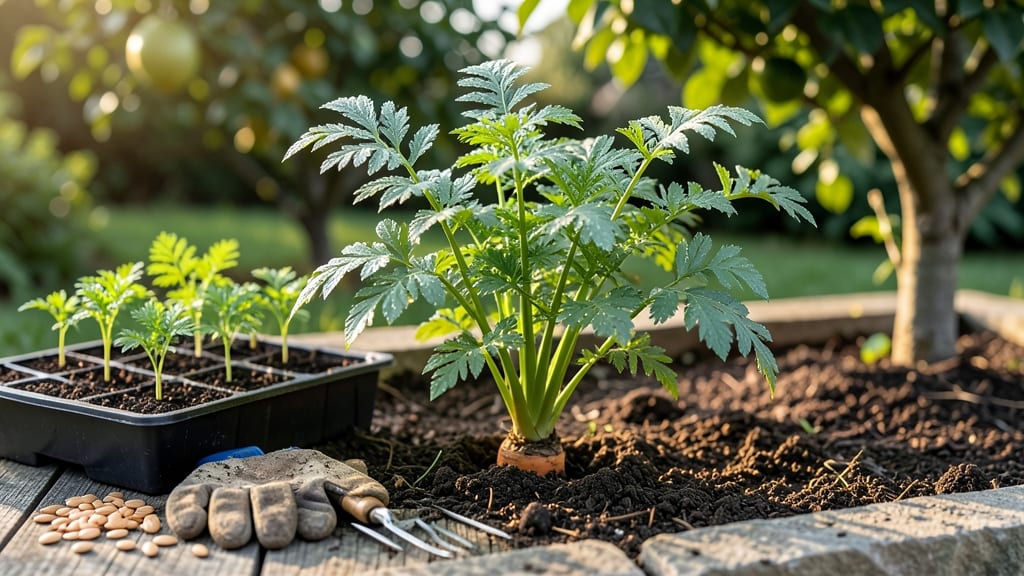
Planting carrots in Georgia at the wrong time can mean the difference between sweet, crisp roots and bitter, woody messes—or worse, bolting plants that go to seed before you even get a harvest.
The key to success lies in understanding when to plant carrots in GA, where hot summers and mild winters demand precise timing to avoid stressing your 🥕 patch.
Most gardeners in Georgia’s 7b-8b zones know the drill: spring and fall are the only real windows for growing carrots. But here’s the catch—plant too early, and you’ll deal with slow growth in cold soil; wait too late, and the heat will send your plants bolting before they even mature.
I’ve tested these windows myself, and the results speak for themselves.
In this guide, I’ll break down the exact months to plant for maximum yield, how to prep your soil for Georgia’s unique climate, and even how to stretch your harvest season with smart planting tricks.
Whether you’re a first-timer or a seasoned gardener, these tips will help you grow carrots that rival the ones at the grocery store—without the price tag.
Ready to dig in? Let’s get those seeds in the ground at the perfect time so you can enjoy homegrown carrots from May through November. Trust me, your future self will thank you when you’re pulling crisp, sweet roots straight from your garden.
Best months to plant carrots in Georgia for maximum yield
Georgia’s diverse climate zones (7a-8b) create unique challenges for growing carrots. The ideal planting windows depend on avoiding both early frost damage and summer bolting. In North Georgia (Zone 7a), your window is narrower than in South Georgia (Zone 8b), where you can extend your season.
Understanding these differences ensures you grow sweet, straight carrots instead of bitter or woody roots.
Carrots thrive when soil temperatures stay between 50°F and 85°F. In Georgia, this means planting in early spring (March-April) or late summer (July-August).
The key is to sow seeds when the ground warms enough to prevent slow germination but cool enough to avoid bolting—the process where carrots send up flower stalks and become bitter. Let’s break down the best times for each region.
🌱 Comparison Table: Georgia Carrot Planting Windows by Region
For North Georgia gardeners (Zone 7a), the spring window is tight—plant too early, and frost will kill seedlings; too late, and summer heat triggers bolting. Aim for late March to early April when soil temps consistently stay above 50°F.
In fall, July-August planting gives you roots before the first frost in late October. Use shade cloth if planting in July to protect seedlings from intense sun.
Central Georgia (Zones 7b-8a) offers more flexibility. You can start as early as mid-February if you use row covers to protect seedlings from late frosts. For fall, early July to mid-September works best—planting after July 15th risks bolting as temps rise.
Choose bolting-resistant varieties like 'Danvers Half Long' or 'Nantes' for better success in hotter months.
Gardeners in South Georgia (Zone 8b) have the longest growing season. You can plant as early as January for a spring harvest or through late September for fall. The key is to avoid planting in peak summer (June-August) unless you use drip irrigation and shade.
For fall crops, focus on June-July plantings to harvest before the first frost in early December.
Bolting is the biggest threat to Georgia carrot growers. Carrots bolt when exposed to consistent temps above 80°F or long daylight hours. To prevent it, use shade cloth (30-50%) during summer, plant bolting-resistant varieties, and avoid planting in May or June when days are longest.
If you notice flower stalks forming, harvest immediately—the roots will still be edible but tougher.
Another critical factor is soil preparation. Carrots need loose, stone-free soil to grow straight. In Georgia’s clay-heavy soils, mix in 2-3 inches of compost and sand before planting.
Test your soil’s pH—carrots prefer 6.0-7.0. If your soil is too acidic, add lime 2-3 months before planting. Well-prepared soil prevents forked roots and ensures crisp texture.
For maximum yield, pair your planting schedule with succession planting. In spring, make weekly sowings from March to May for a staggered harvest. In fall, plant every 2-3 weeks from July to September.
This method ensures you always have fresh carrots without overwhelming your garden at once. Just remember: thin seedlings to 2-3 inches apart once they’re 2 inches tall to prevent competition.
Finally, keep an eye on pests and diseases. In Georgia, carrot rust fly and aphids are common. Use row covers early in the season to protect seedlings, and rotate planting locations yearly to break pest cycles.
If you notice yellowing leaves or stunted growth, check for leaf blight and treat with neem oil if needed.
With the right timing and care, you’ll
How to extend carrot season in Georgia: succession planting tips
Georgia’s mild winters and long growing season let you enjoy fresh carrots nearly year-round—but only if you plan smartly. The key to extended harvests lies in succession planting, where you stagger plantings every 2-3 weeks to keep roots coming.
This method works especially well for Georgia’s USDA zones 7b-8b, where temperatures fluctuate just enough to create multiple planting windows.
Start by choosing short-season varieties like 'Danvers Half Long' (60 days) or 'Nantes' (55 days), which thrive in Georgia’s heat. These types mature faster than standard varieties, giving you more planting opportunities. Avoid long-season types like 'Chantenay', which struggle in summer’s intensity and may bolt before harvest.
📅 When to Plant Carrots in Georgia for Succession Planting
- 🌱 Early Spring: Late February - Early March (after last frost in North GA) or Mid-March - Early April (Central/South GA)
- 🌿 Mid-Spring: Every 2 weeks until Mid-April (soil temp must stay below 85°F to prevent bolting)
- ☀️ Late Summer: Late July - Early August (after 90°F+ heat waves subside; use shade cloth if needed)
- 🍂 Fall: Mid-August - Early September (6-8 weeks before first frost) for winter storage varieties
To maximize space, pair carrots with companion plants that deter pests and improve growth. Plant onion sets or garlic nearby to repel carrot flies, while radishes (which mature in 30 days) mark rows and break up soil compaction.
Avoid planting near dill or fennel, which attract pests that target carrots.
For fall harvests, focus on 'Paris Market' or 'Autumn King'—both tolerate cooler temps and store well. Mulch with straw or leaves after planting to keep soil temps stable and reduce weed competition.
In North GA, aim for a September 15th planting to harvest before hard frosts hit in late October.
Pro tip: Use shade cloth (30-50%) during summer plantings to prevent bolting. This simple trick can extend your window by 4-6 weeks in Georgia’s intense heat. Pair it with drip irrigation to maintain even moisture—carrots hate dry spells, which cause forked roots or bitter flavors.
With this staggered approach, you’ll enjoy fresh carrots from May through November, with storage varieties lasting into winter. The secret? Plan ahead, choose the right varieties, and stay consistent with your planting schedule. Your taste buds—and your dinner table—will thank you! 🥕