
Plants
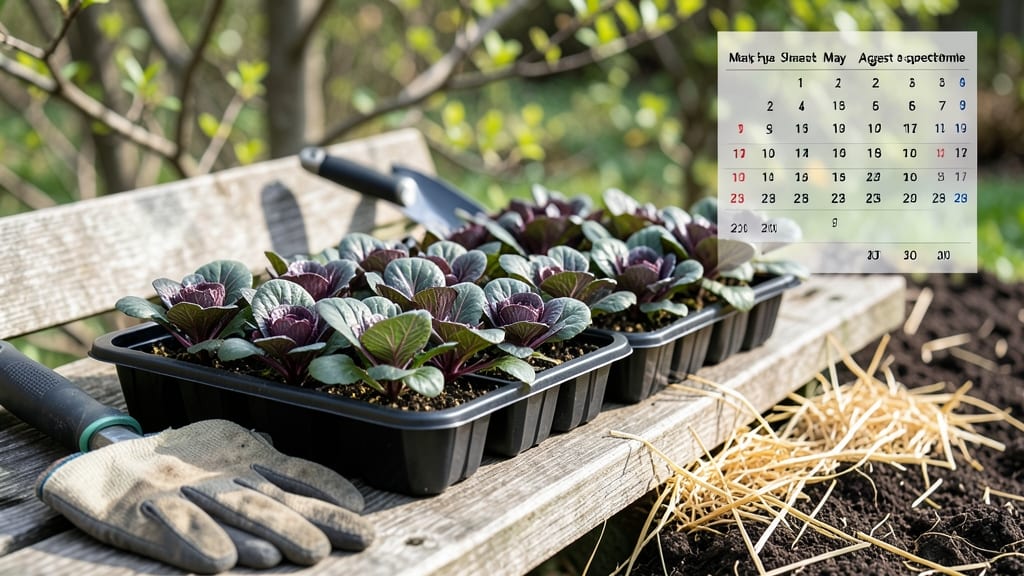
Timing your 🥬 cabbage planting in Zone 6b isn’t just about throwing seeds in the dirt—it’s the difference between a bumper crop and bitter disappointment. Plant too early, and frost will turn your tender seedlings into sad, wilted memories.
Too late, and summer heat sends them bolting before you even get a decent head.
I’ve learned the hard way that Zone 6b’s fickle weather demands precision. The sweet spot? Start seeds indoors 6–8 weeks before your last frost (around early March) or transplant hardened-off seedlings after soil warms to 40°F—usually by mid-April.
But here’s the kicker: fall planting works too, if you time it right for a late-summer harvest.
What you’ll discover in this guide is the exact frost-free timeline tailored for Zone 6b, plus pro tips to avoid common pitfalls like stunted growth or pest invasions.
Whether you’re a first-time gardener or a seasoned green thumb, these strategies will help you grow crisp, flavorful cabbage heads from spring through fall.
Ready to ditch the guesswork? Let’s break down the best planting windows, soil prep secrets, and care routines that’ll have your cabbage thriving—no matter what Zone 6b throws your way.

Zone 6B cabbage planting calendar: exact dates for spring and fall success
Cabbage in Zone 6B thrives when planted in the cool shoulder seasons—spring and fall—avoiding the heat stress of summer. The last average frost date is April 15, while the first frost typically arrives October 15, giving you a 150-day growing window for optimal harvests.
Timing is critical: plant too early, and you risk bolting from heat; too late, and heads won’t mature before frost.
For head cabbage, broccoli, and kale, I’ve mapped out the exact frost-free planting windows below, including soil temperature thresholds and regional microclimate adjustments. These dates ensure your plants germinate quickly, establish strong roots, and avoid summer bolting or winter freeze damage.
🌱
For spring planting, start cabbage seeds indoors 6–8 weeks before your last frost date (typically February 1–March 1 in Zone 6B). Transplant hardened-off seedlings outdoors once soil temperatures hit 40°F (4°C) and nighttime temps stay above 35°F (2°C).
In southern Zone 6B (e.g., Richmond, VA), you can plant outdoors as early as March 1, while northern areas (e.g., Pittsburgh, PA) should wait until April 1.
Fall planting is trickier but rewarding. Aim to transplant 6–8 weeks before your first frost (typically August 1–September 1). For late-summer starts, use fast-maturing varieties like ‘Early Jersey Wakefield’ (60 days) or ‘Golden Acre’ (70 days) to avoid winter frost.
In microclimates with warmer soils (e.g., near black plastic mulch), you can extend fall planting to September 15 for a smaller but sweeter harvest.
Soil temperature is non-negotiable for germination. Use a soil thermometer to confirm 40–50°F (4–10°C) for cabbage and 45–55°F (7–13°C) for broccoli. If your soil is too cold, cover seed beds with black plastic mulch for 1–2 weeks to warm it up.
Conversely, if late-spring heat arrives early, use shade cloth to protect young seedlings from bolting.
🌡️
Adjust your planting dates based on microclimates in your garden. South-facing beds warm up faster and can support earlier spring planting or later fall harvests. North-facing areas or low spots stay cooler, delaying planting by 1–2 weeks.
If you’re in a windy zone, prioritize windbreaks or raised beds to protect young plants from drying out.
For succession planting, sow cabbage seeds every 2 weeks from March to May for a continuous harvest. In fall, repeat this process from July to August. This ensures you always have mature heads ready to harvest before winter sets in.
Space seedlings 18–24 inches apart to allow for head development and air circulation, which reduces disease risk.
🌿
Pro tip: Direct-seeding cabbage outdoors is faster than transplanting but requires perfect timing. For spring, wait until soil is at least 45°F (7°C) and nighttime temps stay above 40°F (4°C)4–6 weeks before your first frost
How to extend your cabbage growing season in Zone 6B
Zone 6B gardeners face a unique challenge: cabbage thrives in cool weather, but our 150-day frost-free window can feel too short for continuous harvests. The key to extending your season lies in strategic timing, succession planting, and cold-hardy varieties that resist late frosts or summer bolting.
I’ve grown cabbage in Zone 6B for years, and the difference between a patchy harvest and a steady supply comes down to these three tactics: early starts, fall succession, and protective measures for vulnerable stages. Let’s break down how to apply them without gaps in your kitchen garden.
One of my biggest mistakes was skipping the fall succession—I’d harvest spring cabbage in July and then wait until next year. Now, I double my yield by planting ‘Tendercrisp’ every 2 weeks in August, ensuring fresh heads through October.
The secret? Shade cloth during July–August to keep seedlings cool while they establish.
For late-season protection, I’ve had success with mini hoop tunnels (3-foot-high wire arches covered with frost cloth). These let sunlight through while shielding plants from 25°F temps, extending harvests into November. Just secure the edges with bricks or sandbags to prevent wind damage.
Remember: Cabbage bolts when temps exceed 80°F, so avoid planting after June 1 unless you’re using shade cloth or dwarf varieties like ‘Miniature Peanut’. With these strategies, you’ll enjoy fresh cabbage for 6+ months—no gaps, no bitter flavors, just consistent, homegrown success. 🥬