
Plants
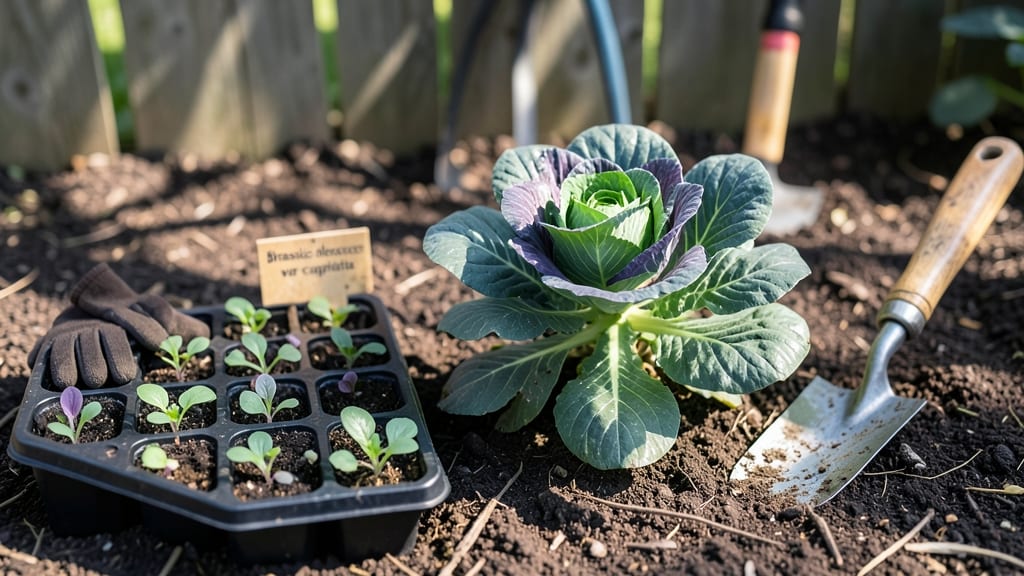
Planting cabbage in Zone 5 at the wrong time can turn your crisp, flavorful harvests into bitter, bolting disappointments—and the difference between success and failure often comes down to timing.
Cabbage 🥬 loves cool weather, but Zone 5’s short growing season means you’ve got just two narrow windows to get it right: early spring or late summer. Miss the mark, and you’ll either face frost damage or watch your plants bolt before forming heads.
The key? Starting seeds 4-6 weeks before your last frost date (typically by early April) or sowing again in late July for a fall harvest.
I’ve tested these strategies myself, and the results speak for themselves—crisp, sweet heads that last from July through October. Whether you’re a beginner or a seasoned gardener, knowing exactly when to plant (and how to adjust for your specific microclimate) makes all the difference.
Let’s break down the exact steps to maximize your cabbage yield in Zone 5.
From calculating frost dates to choosing the right varieties and avoiding common pitfalls, you’ll learn how to turn your garden into a cabbage powerhouse—without the guesswork. Ready to get started?

Best planting windows for cabbage in Zone 5: early vs late crops
Cabbage is a cool-season crop that rewards precise timing in Zone 5. Plant too early, and you risk frost damage or slow growth. Wait too long, and your plants may bolt from summer heat.
The key is planting 4-6 weeks before your last frost date for spring crops or 10-12 weeks before your first frost for fall harvests.
In Zone 5, where the last frost typically arrives around May 10 and the first frost hits October 10, your planting windows are narrow but critical. Let’s break down the two best strategies: early spring and late summer crops, each with its own soil temperature and frost considerations.
Soil temperature is non-negotiable for cabbage. Seeds won’t germinate below 40°F (4°C), and transplants struggle in soil warmer than 75°F (24°C). For spring, aim for 45-65°F (7-18°C) soil. For fall, soil should cool to 50-65°F (10-18°C) before planting.
Here’s a side-by-side comparison of your two best planting windows, including frost-free days, soil prep, and pest risks:
For early spring crops, start seeds indoors 6-8 weeks before your last frost date. Harden off seedlings for 7-10 days before transplanting into the garden. Use row covers if nighttime temps dip below 32°F (0°C) to protect young plants.
This method gives you a July-October harvest, but watch for cabbage moths and flea beetles, which thrive in spring.
If you prefer late summer planting, wait until mid-July when soil temperatures drop below 75°F (24°C). Direct-sow seeds or transplant 10-12 weeks before your first frost to ensure heads mature before cold sets in.
This strategy yields October-November harvests, but aphids and cabbage worms become more active in warm fall weather.
Avoid the mistake of planting too early in spring. Cold, wet soil can stunt seedlings, while frost will kill tender leaves. Similarly, don’t plant fall crops too late—heat stress after August 1 triggers bolting, turning your cabbage into bitter, seed-filled stalks.
Choose cold-hardy varieties like ‘January King’ or ‘Golden Acre’ for Zone 5 resilience.
Succession planting is your secret weapon. For spring, stagger transplants every 2-3 weeks until early June. For fall, sow a final batch in mid-August to catch the last harvest window.
Mulch with straw or grass clippings to keep soil cool and retain moisture, which is critical in Zone 5’s unpredictable weather.
Finally, monitor your cabbage for signs of bolting: elongated stems, yellowing leaves, or flower buds. If you catch it early, harvest the leaves for greens or replant with a fast-maturing variety like ‘Early Jersey Wakefield’ (ready in 55 days).
With these windows and tips, you’ll enjoy crisp, flavorful cabbage heads all season long.
How to calculate your exact planting dates using frost charts
Zone 5 gardeners face unique challenges with short growing seasons and variable frost dates. To pinpoint your cabbage planting windows, you’ll need to combine USDA frost charts with local microclimate adjustments.
Start by finding your last spring frost date—typically between April 15 and May 10 in Zone 5—and work backward from there.
For spring cabbage, plant seeds or transplants 4-6 weeks before your last frost date. This gives seedlings time to establish roots before warm weather arrives. Meanwhile, fall cabbage requires a different approach: plant 10-12 weeks before your first frost (usually around October 10 in Zone 5).
Here’s how to calculate your exact dates with precision:
Find Your Last Spring Frost Date
Use the USDA Plant Hardiness Zone Map to locate your Zone 5 sub-region. Northern Zone 5 (e.g., Minnesota, Maine) averages May 10 for last frost, while southern Zone 5 (e.g., Ohio, Missouri) may see frost as late as April 25. Adjust for elevation—higher areas frost 2-3 weeks later.
Calculate Spring Planting Dates
Subtract 4-6 weeks from your last frost date for direct sowing. For transplants, start seeds indoors 6-8 weeks before transplanting. Example: If your last frost is May 1, plant seeds outdoors by March 22-28 or transplant hardened-off seedlings by April 15-21.
Determine Fall Planting Dates
Find your first fall frost date (typically October 10 in Zone 5) and plant 10-12 weeks before. For a October 10 frost, this means sowing seeds by July 22-31. Use cold-hardy varieties like ‘January King’ or ‘Savoy King’ for extended harvests.
Adjust for Microclimates
South-facing slopes warm up 1-2 weeks earlier than shaded areas. Urban heat islands can delay frost by 5-7 days. Observe your garden’s patterns for 3+ years to refine dates. Keep a frost journal to track local variations.
Follow Seed Packet Guidelines
Check your cabbage seed packet for days to maturity. For example, if a variety takes 70 days to harvest, plant it 70 days before your target harvest date. Pair this with frost dates to avoid bolting or frost damage.
Pro tip: Use row covers to extend your spring planting window by 2-3 weeks or protect fall crops from early frosts. Test soil temperatures—cabbage thrives at 60-70°F—and avoid planting when soils are below 50°F, which slows germination.
By combining frost charts, local observations, and seed recommendations, you’ll nail your Zone 5 cabbage planting dates every time. Happy growing!