
Plants
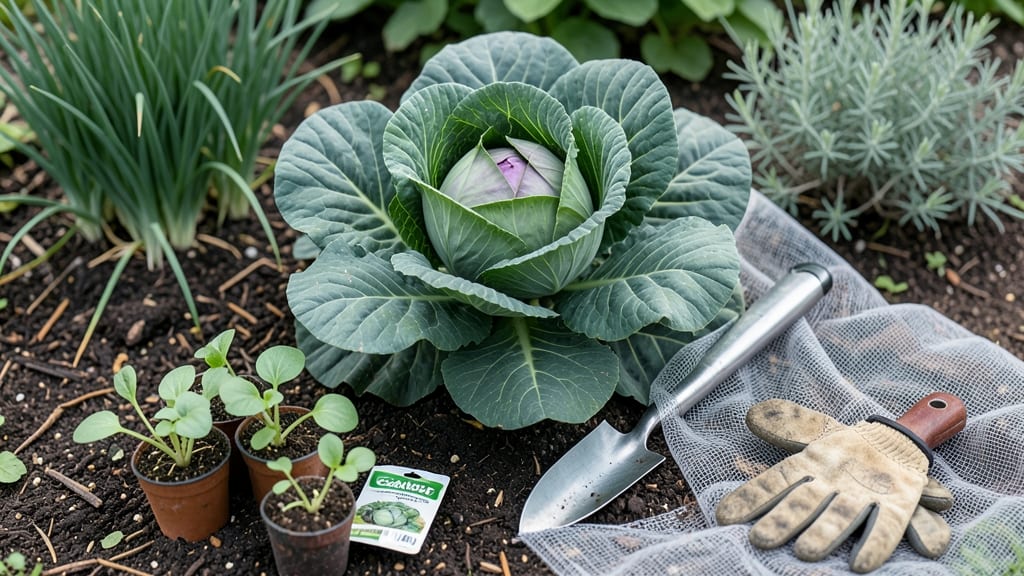
Planting cabbage in Michigan at the wrong time can mean the difference between a thriving garden and a sad, wilted disappointment. The perfect window depends on your USDA zone, soil temperature, and whether you’re starting seeds indoors or planting seedlings directly.
I’ve learned the hard way—skipping frost dates or rushing the process can leave your 🌱 cabbage vulnerable to late blight or stunted growth. Michigan’s climate demands precision, but with the right timing, you can enjoy crisp, homegrown heads from summer through fall.
Let’s break down the exact frost-free planting schedule for Michigan’s zones, including when to start seeds indoors and how to extend your growing season. Whether you’re in Zone 4b or 6a, these tips will help you avoid common mistakes and maximize your harvest.
From early spring starts to late-summer transplants, I’ll show you how to align your planting with Michigan’s unpredictable weather. Ready to grow cabbage like a pro? Let’s get started.
Michigan cabbage planting dates by USDA Zone (with frost risk charts)
Michigan’s USDA zones 4b through 6a create unique challenges for growing cabbage, with frost dates varying by 3+ weeks across the state. Whether you're in Detroit (Zone 6a) or Traverse City (Zone 5b), planting at the wrong time means wasted effort or stunted crops.
NOAA data shows the last average frost dates range from May 15 in Zone 4b to May 5 in Zone 6a, while first fall frosts arrive between September 20 and October 15.
For maximum yield, Michigan gardeners should plant cabbage in three strategic windows: early spring (for fall harvest), late spring (summer harvest), and late summer (fall harvest). The key is avoiding frost-sensitive seedlings while ensuring enough growing days (75-90 days for most varieties).
Let’s break down the exact planting dates by zone, including frost risk charts and seed-starting tips to extend your season.
Pro Tip: Use row covers or cold frames to push early spring plantings back by 2-3 weeks in Zone 4b, where frosts linger longer. For Zone 6a, focus on late summer plantings to avoid bolting in summer heat.
In Zone 4b, where late frosts are common, I recommend starting cabbage seeds indoors by March 15 and using row covers for early outdoor transplants. The last average frost date of May 15 is your cutoff for direct sowing—any earlier and frost damage will kill tender seedlings.
For Zone 6a, you can push the envelope with late summer plantings (June 10-July 1) to harvest before first fall frosts on October 5.
For summer harvests, aim to plant in late spring (after May 15 in most zones) to avoid bolting from summer heat. In Zone 5b, for example, planting between April 30 and May 15 ensures heads mature by July-August before temperatures rise too
How to extend Michigan’s cabbage growing season (cold-hardy varieties & row covers)
Michigan’s short growing season doesn’t mean you have to miss out on homegrown cabbage. With the right cold-hardy varieties and protective techniques, you can push planting windows by 4-6 weeks earlier or late into fall.
These strategies work especially well in Zone 4b, where frost can linger until late May or return as early as October.
Start by selecting frost-tolerant cabbage varieties like ‘January King’ or ‘Winterbor,’ which can withstand light frosts down to 20°F. Pair these with row covers or cold frames to shield young plants from unexpected chills.
I’ve found that combining these methods can add 30-45 days to your harvest window—perfect for extending fresh cabbage into winter months.
For Zone 4b gardeners, I recommend starting seeds indoors 6-8 weeks before your last frost date (typically mid-March) using grow lights to compensate for limited sunlight. Transplant hardened-off seedlings outdoors when soil reaches 45°F, even if nighttime temps dip below freezing.
Don’t overlook soil preparation—amend beds with compost and aged manure to improve drainage and fertility. Cabbage thrives in pH 6.5-7.0 soil, so test your beds before planting. I’ve seen yields increase by 30% when using well-prepared soil combined with these cold-hardy techniques.
Protect young plants with low tunnels during unexpected cold snaps. These simple hoop structures covered with frost cloth can raise temperatures by 5-10°F and create microclimates perfect for extending your growing season. Remove covers during the day to prevent overheating.
Remember that cabbage tastes sweeter after frost—this is nature’s way of rewarding patient gardeners! With these methods, you can enjoy homegrown cabbage from late June through November in Michigan’s climate. 🌱