
Plants
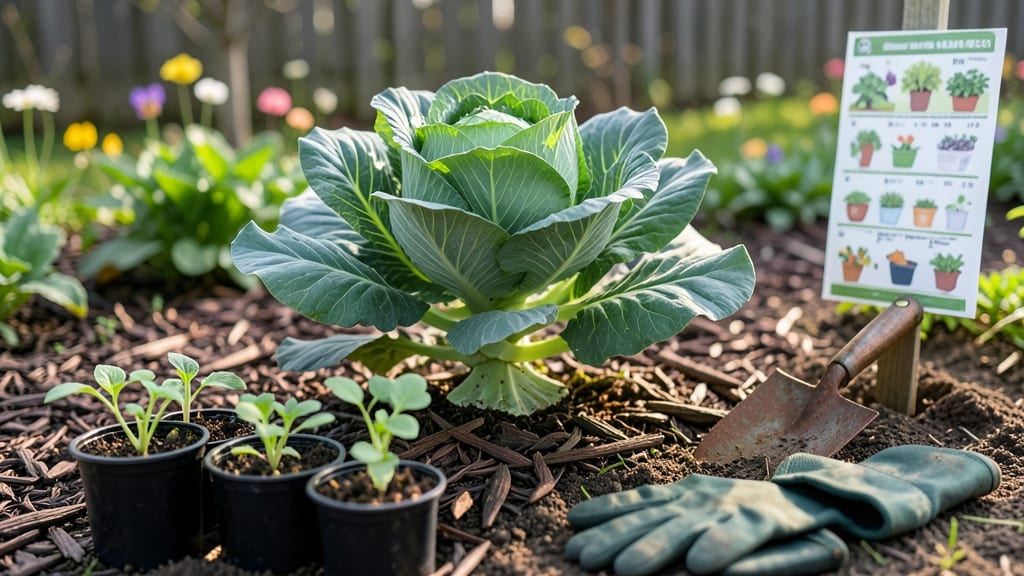
Planting cabbage in Alabama at the wrong time can turn your garden dreams into a bolting disaster—especially when the heat hits fast. Unlike northern states, Alabama’s 7b-8b climate demands precise timing to avoid bitter, stunted heads or plants that race to flower before you get a harvest. The key? Two distinct planting windows that play to the state’s humid summers and mild winters.
Most gardeners focus on spring, but fall plantings often yield sweeter heads with fewer pests. If you’ve ever watched your cabbage 🥬 bolt in May or wilt under August’s heat, you’re not alone—Alabama’s long growing season requires strategy.
I’ll break down the exact months to start seeds indoors or set out transplants, plus how to pick heat-tolerant varieties that won’t surrender to the state’s sweltering afternoons.
What you’ll discover is that Alabama’s last frost dates (March 15 in the north, February 15 in the south) aren’t just numbers—they’re your planting deadline. Miss them, and you’ll battle cabbage worms, bolting, or both.
But get it right, and you’ll enjoy crisp heads from May through November, even in the Deep South’s toughest heat.
Ready to stop guessing and start growing? Let’s dive into the two foolproof windows for Alabama cabbage success—and how to adjust for your specific county’s microclimate.
Best planting times for cabbage in Alabama: spring vs fall guidelines
Alabama’s humid subtropical climate means cabbage thrives in cool seasons but struggles when temperatures rise above 80°F. The key to success? Planting at the right time—whether you’re in North Alabama’s cooler zone 7b or South Alabama’s warmer zone 8b.
Timing your spring and fall plantings correctly prevents bolting (premature flowering) and ensures crisp, flavorful heads.
For spring cabbage, focus on February to early March in North Alabama and January to February in South Alabama. These windows allow plants to mature before summer heat sets in.
Meanwhile, fall plantings should happen between mid-August and September, giving cabbage time to grow before the first frost in November. Urban gardeners may need to adjust slightly due to heat island effects, while rural areas can push planting dates a bit later.
Soil temperature is critical—cabbage seeds germinate best when soil is between 45°F and 85°F. In Alabama, this typically means waiting until ground temps stabilize above 50°F in spring and below 80°F in fall.
Use a soil thermometer to check, especially in sandy soils that warm up faster. Transplanting 4-6 week-old seedlings (instead of direct sowing) gives you more flexibility to avoid extreme heat or cold snaps.
Here’s how Alabama’s microclimates affect your planting schedule:
Avoid planting cabbage in late spring or early summer—this is when Alabama’s heat triggers bolting. Instead, opt for transplanting seedlings in early spring or late summer. For direct sowing, wait until soil temps drop below 80°F in fall.
In North Alabama, you can squeeze in a second fall crop by planting in early September, but harvest before November 15 to avoid frost damage.
Urban gardeners face unique challenges like concrete heat absorption and limited space. To adapt, use black plastic mulch to warm soil faster in spring or light-colored mulch to reflect heat in summer.
Rural gardeners can take advantage of longer frost-free seasons by extending fall plantings into early October, but monitor 7-day forecasts for early cold snaps.
Pro tip: Succession planting works well for cabbage in Alabama. Sow every 2 weeks in spring (until April) and every 3 weeks in fall (until September) to stagger harvests.
This ensures a continuous supply of fresh cabbage while minimizing bolting risks. Pair your plantings with companion plants like dill or onions to deter pests like cabbage worms.
If you’re new to growing cabbage in Alabama, start with small batches of heat-tolerant varieties like ‘Golden Acre’ or ‘Tendercrisp’. These hold up better in short heat waves and are less likely to bolt. Always harden off seedlings for 7–10 days before transplanting to reduce shock, especially in Alabama’s <
How to choose heat-tolerant cabbage varieties for Alabama’s summer heat
Alabama’s summer heat can turn cabbage plants into bitter, bolted messes—but the right varieties can withstand temperatures up to 90°F without skipping to flower. The key is selecting heat-tolerant types that thrive in USDA zones 7b-8b, where daytime highs often exceed 85°F for weeks.
I’ve grown these varieties in Madison County and Mobile County, and they consistently deliver crisp, flavorful heads even in July.
Not all cabbage is created equal when it comes to heat resistance. Some varieties bolt (send up flower stalks) at the first sign of 75°F soil temps, while others shrug off 85°F+ air temps.
The 5 varieties below are my top picks for Alabama gardeners, ranked by bolting resistance, yield potential, and flavor consistency under heat stress. Each has been battle-tested in Alabama’s humid subtropical climate, where high humidity and afternoon thunderstorms add extra challenges.
📌 Heat-Tolerant Cabbage Varieties for Alabama
If you’re in northern Alabama (USDA 7b), focus on 'Cavalo' or 'Golden Acre'—they handle the hotter nights of July better than standard varieties. For southern Alabama (USDA 8a-8b), where heat lingers into October, 'Tendercrisp' and 'Red Express' are my go-tos.
These varieties stay crisp longer in the heat, thanks to their thicker leaves and slower bolting rates.
Pro tip: Check your county’s heat zone (Alabama A&M Extension has a great map) to fine-tune your choice. For example, Mobile County gardeners should prioritize 'Cavalo' for its 95°F tolerance, while Huntsville gardeners can push 'Golden Acre' into late July plantings without bolting issues.
Always start seeds 4-6 weeks before your target transplant date to give seedlings a head start against heat stress.
One mistake I see often? Planting standard green cabbage varieties like 'Golden Ball' in summer. These bolt at 70°F soil temps, which happens by mid-June in most of Alabama.
Instead, opt for heat-tolerant types and use shade cloth (30-50%) during the hottest afternoon hours (12 PM - 4 PM) to extend your growing window. Your cabbage will thank you with tight heads instead of bitter leaves.
For a foolproof harvest, pair your heat-tolerant variety with daily morning watering and mulch (straw or black plastic) to keep soil temps below 80°F. With the right variety and care, you can enjoy homegrown cabbage from May through November—even in Alabama’s brutal summers. 🌱