
Plants
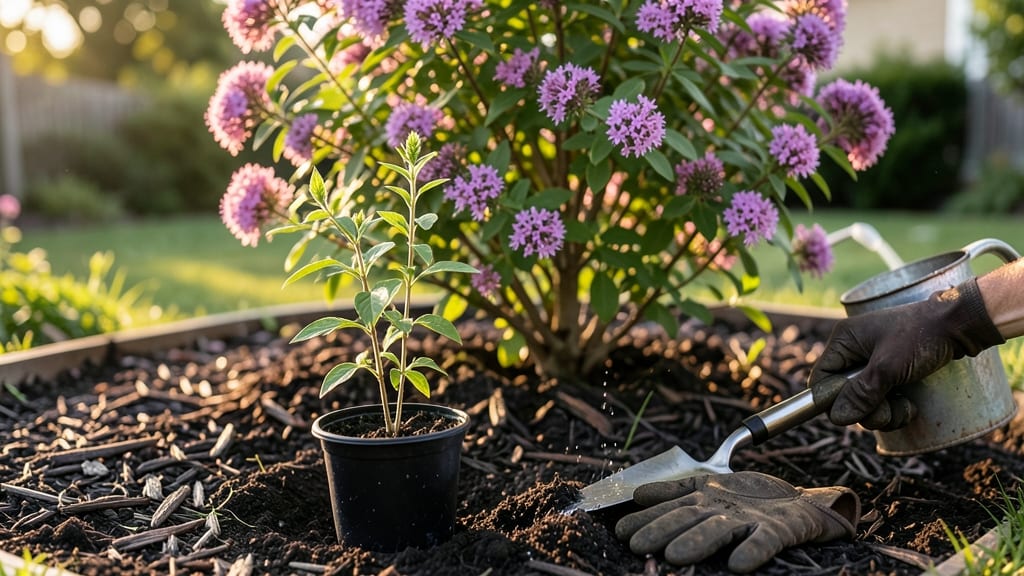
Planting your 🦋 Butterfly Bush at the wrong time in Zone 7 could mean fewer blooms—or worse, a plant that struggles to survive your region's mild winters and hot summers.
The secret to vibrant, year-round flowers lies in choosing the best planting window, and I’ve got the exact timing (and why it matters) to help you avoid common mistakes.
Zone 7 gardeners have two prime opportunities to plant Butterfly Bush: early spring, just after the last frost, or in fall before the ground freezes. But here’s the catch—spring planting gives your shrub a head start, while fall planting lets it establish roots before winter’s chill.
I’ll break down which option works best for your garden’s microclimate, whether you’re in a rural area or an urban heat island.
Once you’ve picked the right time, the next step is ensuring your Butterfly Bush thrives with minimal effort. From soil prep to post-planting care, I’ll share the key tricks to keep your shrub blooming from summer through fall—plus which varieties handle Zone 7’s climate like a pro.
Let’s get your garden buzzing with pollinators all season long!
Ready to transform your yard into a butterfly magnet? Stick around—I’ll walk you through every detail, from soil prep to pruning secrets that extend those gorgeous blooms for years. No guesswork, just proven results for Zone 7 growers.

Best planting months for butterfly bush in Zone 7: spring vs fall timing
Planting your butterfly bush at the right time in Zone 7 can mean the difference between vibrant blooms all season and struggling growth. The ideal planting window depends on whether you choose spring or fall, with each season offering unique advantages for root establishment and bloom performance.
In Zone 7, where last frosts typically occur around mid-April and first frosts around mid-October, timing is everything. Fall planting often gives your butterfly bush a head start on root growth before winter, while spring planting allows for immediate summer blooms.
Let’s break down the best months for each approach and how to maximize success in your specific garden conditions.
Soil temperature is the key factor when deciding between spring and fall planting. Butterfly bushes thrive when soil temperatures are between 60°F and 70°F—ideal for root development without stress. In Zone 7, this typically means planting in late spring (May-June) or early fall (September-October).
If you’re planting in spring, aim for late May to early June in Zone 7.
This timing allows the soil to warm up enough for root growth while avoiding the risk of late frosts that can damage tender new shoots. Spring-planted bushes will often bloom in their first summer, providing instant color and attracting pollinators like butterflies and bees.
For fall planting, September to early October is ideal. Planting in fall gives your butterfly bush time to establish roots before winter dormancy, resulting in stronger growth and more robust blooms the following spring.
In Zone 7, fall-planted bushes are less stressed by summer heat and often outperform spring-planted ones in the long run.
Urban gardens in Zone 7 may experience microclimate variations like heat islands or wind exposure. If you’re in an urban setting, delay spring planting until late May to avoid heat stress and plant in late September for fall to ensure roots establish before colder temperatures arrive.
Rural gardens, with cooler nights and more consistent soil temperatures, can plant as early as early May or as late as early October.
To maximize root establishment, always plant your butterfly bush in well-draining soil with a slightly acidic to neutral pH (6.1-7.5). Amend heavy clay soils with compost or sand to improve drainage, and avoid planting in areas prone to waterlogging.
After planting, water deeply to settle the soil and encourage root spread.
Once your butterfly bush is established, it will reward you with continuous blooms from summer to fall. Whether you choose spring or fall planting, the key is giving your plant the best conditions to thrive in Zone 7’s unique climate.
With the right timing and care, your garden will become a butterfly magnet in no time! 🦋🌿
How to extend butterfly bush blooms year-round in Zone 7: pruning & care secrets
Butterfly bushes (Buddleia) are pollinator magnets, but their blooms can fade fast in Zone 7's intense summers if you don’t prune and care for them strategically. The key to year-round blooms lies in understanding when and how to prune, paired with soil and water adjustments tailored to your region’s climate.
Let’s dive into the secrets that keep your butterfly bush in continuous bloom from spring to frost.
First, timing is everything when it comes to pruning. Unlike many shrubs, butterfly bushes bloom on new wood, meaning aggressive pruning in late winter or early spring won’t cut off next year’s flowers.
Instead, focus on light pruning in late winter to shape the plant and heavy pruning right after flowering to encourage a second flush of blooms. This two-step approach is your ticket to nonstop color all season long.
- Step 1: Late Winter Pruning (Feb-March) – Remove dead or weak branches and trim back any overgrowth by 1/3 of the plant’s height. This clears space for new growth and improves air circulation, reducing disease risk.
- Step 2: Post-Flowering Pruning (July-August) – Cut back 50% of the current season’s growth to stimulate a second round of blooms. This is when you’ll see the most dramatic results in Zone 7’s hot summers.
- Step 3: Fall Cleanup (Oct-Nov) – Remove spent blooms and any diseased branches to keep the plant tidy. Avoid heavy pruning in fall, as the plant needs to harden off for winter.
Soil health is just as critical as pruning for extended blooming. Butterfly bushes thrive in well-draining, slightly alkaline soil with a pH between 6.0 and 7.5. If your soil is heavy clay (common in many Zone 7 gardens), amend it with compost and sand to improve drainage.
A 2-inch layer of mulch around the base also helps retain moisture and regulate soil temperature, which is especially helpful during Zone 7’s scorching summers.
Watering schedules can make or break your butterfly bush’s performance. In Zone 7’s hot, dry summers, deep watering once a week is ideal, but adjust based on rainfall. Newly planted bushes need consistent moisture to establish roots, while established plants tolerate drought once mature.
Always water in the early morning to prevent fungal issues, and avoid wetting the foliage to keep your plant healthy and blooming.
For extra-long blooms, feed your butterfly bush with a balanced fertilizer (10-10-10) in early spring and mid-summer. Skip fertilizing in fall and winter, as the plant enters dormancy.
A light feeding in late summer can also encourage a late-season flush of flowers, perfect for Zone 7’s mild autumns. Pair this with regular pruning, and you’ll have a butterfly bush that stays in bloom from spring to frost.
With these pruning and care secrets, your Zone 7 butterfly bush will become a year-round pollinator powerhouse, attracting butterflies, bees, and hummingbirds for months on end. The effort is minimal, but the rewards—vibrant blooms and happy pollinators—are priceless.