
Plants
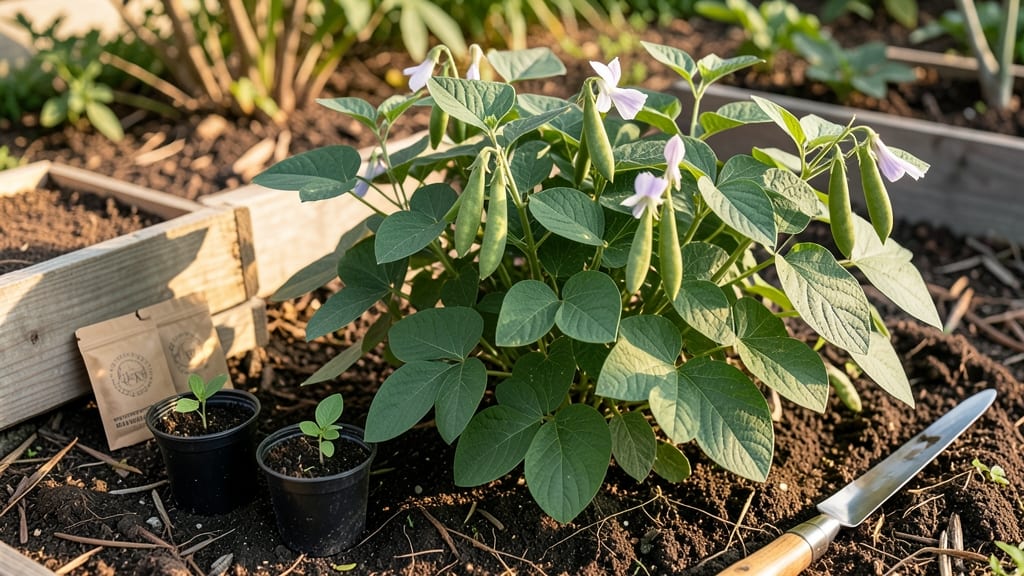
Planting butter beans 🌱 in North Carolina at the wrong time means either waiting forever for harvests or watching your plants bolt before they even produce. The key to success?
Timing it right—after the last frost when soil temperatures hit that sweet 60°F mark, but before summer heat turns your garden into a sauna.
Most NC gardeners can start sowing between April 15 and June 15, but your exact window depends on whether you're in the Piedmont, Coastal Plain, or Mountains.
Skip the guesswork with a simple rule: wait until nighttime temps stay above 55°F consistently, and you’ll avoid those early-morning frost surprises that can wreck tender seedlings.
Here’s what you’ll learn: the exact weeks before last frost to plant for your region, how to adjust for NC’s unpredictable spring weather, and which butter bean varieties handle our heat best. No more missed harvests—just crisp, homegrown pods from July through September.
Ready to grow a bumper crop? Let’s break down the schedule, soil checks, and pro tips to keep your butter beans thriving all season long.
NC butter bean planting timeline: weeks before last frost by region
North Carolina’s diverse climate—from the humid Coastal Plain to the cooler Appalachian Mountains—means butter beans (Phaseolus vulgaris) need region-specific timing to thrive. Plant too early, and frost will kill tender seedlings; too late, and you’ll miss the 60-90 day harvest window.
Here’s how to pinpoint the perfect planting window for your zone.
Butter beans love warm soil (60°F+) and consistent heat, making them sensitive to late frosts. The Coastal region typically has the earliest last frost (mid-March), while the Mountains can see frost as late as May 1.
Piedmont gardeners fall somewhere in between, with April 15 as a general guideline.
📅 Key Dates to Know:
- Coastal NC: Last frost March 15 → Plant March 20-April 15
- Piedmont NC: Last frost April 1 → Plant April 15-May 1
- Mountain NC: Last frost May 1 → Plant May 15-June 1
These windows ensure your beans mature before fall frosts (mid-November).
| Region | Last Frost Date | Optimal Planting Window | Soil Temp Requirement | Heat Tolerance Notes |
|---|---|---|---|---|
| Coastal NC | March 15 | March 20 - April 15 | 60°F+ | Thrives in humidity; watch for fungal diseases |
| Piedmont NC | April 1 | April 15 - May 1 | 60°F+ | Moderate heat; ideal for succession planting |
| Mountain NC | May 1 | May 15 - June 1 | 65°F+ (warmer soil needed) | Short season; choose early-maturing varieties |
For Coastal gardeners, start seeds indoors 4-6 weeks before your last frost (around February 15) to get a jump on the season. Transplant seedlings outdoors 2 weeks after your last frost date to avoid cold soil stress.
Use black plastic mulch to warm soil faster in cooler zones like the Piedmont.
Butter beans hate chilly nights, so avoid planting if nighttime temps dip below 50°F. In the Mountains, where summers are shorter, opt for early-maturing varieties like ‘Contender’ (60 days) or ‘Fordhook’ (70 days) to ensure a harvest before fall frosts.
Succession plant every 2 weeks in Piedmont and Coastal zones to extend your harvest through September.
Pro tip: Use a soil thermometer to confirm soil temps are 60°F+ before planting. Cold soil delays germination and weakens seedlings. If temps are too cool, wait 1-2 weeks—your beans will thank you with stronger vines and higher yields.
Watch for late spring frosts, especially in elevated Piedmont areas. If frost is forecasted after planting, cover seedlings with frost cloth or a row cover to protect tender leaves. Butter beans are heat-loving but can handle 90°F+ temps if given consistent moisture—just mulch heavily to retain soil moisture.
In Coastal NC, where humidity is high, space plants 6 inches apart in rows 3 feet apart for airflow. In drier Mountain regions, widen rows to 4 feet to reduce competition. Trellis your beans to save space and improve pod production—vines can climb 6-8 feet!
Remember: Butter beans need 6-8 hours of sun daily. If your garden is shady, choose a south-facing spot or use reflective mulch to boost light exposure. With the right timing, you’ll enjoy crisp, creamy-yellow pods from July through September—just in time for summer meals.
🌱
How to adjust planting dates for NC’s unpredictable spring weather
North Carolina’s spring weather can be as unpredictable as a toddler’s mood—one day warm and sunny, the next a surprise frost that sends shivers down your plants’ vines. Butter beans need consistent warmth to thrive, so flexibility is key.
Late frosts can delay planting, while sudden heat waves might force you to rush. The trick? Monitor soil temperatures and use succession planting to stretch your growing season.
Start by checking your local frost dates. Coastal NC averages its last frost around March 15, while the Mountains can see frost as late as April 15.
But don’t rely on averages—use a soil thermometer to confirm when temperatures hit 60°F, the minimum for butter bean seeds to germinate. If your soil is still chilly, wait it out; cold soil won’t just delay growth—it can rot your seeds.
⚠️ WARNING: Late Frost Risks for Butter Beans ⚠️
- Cold soil (<55°F) stunts germination, leaving seeds vulnerable to rot.
- Late frosts (after April 15) can kill young seedlings overnight.
- Coastal NC is safer earlier (mid-April), but Mountain regions should wait until May.
Pro Tip: Use row covers if you must plant early, but remove them during the day to avoid overheating.
If spring drags on and you miss your ideal planting window, don’t panic—succession planting is your secret weapon. Sow new seeds every 2-3 weeks from April through June to ensure a steady harvest.
Butter beans mature in 75-90 days, so late plantings in June can still yield pods by September. Just space them out: 3 weeks apart for continuous production, or 2 weeks apart if you’re short on space.
For extra insurance, choose cold-hardy varieties like ‘Fordhook’ or ‘Contender’, which tolerate cooler soils better than others. These varieties also handle heat waves better, making them ideal for NC’s fluctuating climate.
Pair them with mulch to regulate soil temperature—straw or shredded leaves keep roots cool in summer and warm in spring.
Heat waves can also stress butter beans, causing them to bolt prematurely (flower and pod too early).
If temperatures soar above 90°F, provide afternoon shade with shade cloth or plant near taller crops like corn or sunflowers. Water deeply in the morning to encourage strong root growth, which helps plants withstand heat stress.
Avoid overhead watering in the evening—wet foliage invites fungal diseases like bean rust.
Finally, keep an eye on your local weather forecasts and adjust as needed. If a frost warning pops up after you’ve planted, cover seedlings with frost blankets or move potted plants to a sheltered spot.
With these strategies, you’ll turn NC’s unpredictable spring into your butter bean bonanza—no matter what Mother Nature throws your way. 🌱