
Plants
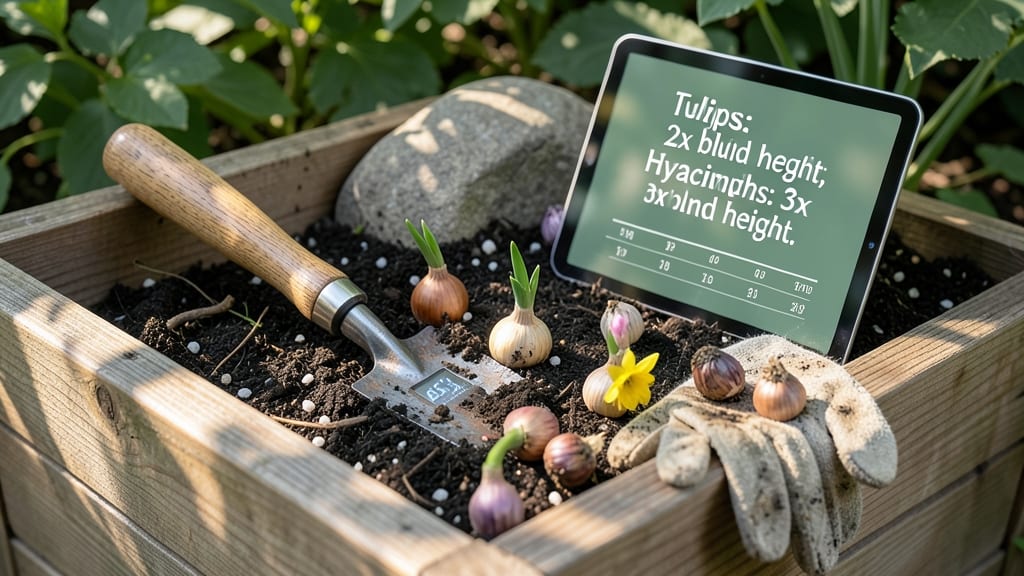
Timing your bulb planting in Zone 6 can make or break your spring garden—plant too early, and they might rot; too late, and you’ll miss the chill hours they need to bloom.
The secret lies in understanding each variety’s chill-hour requirements and your local frost dates, which I’ll break down so you never guess again.
Most gardeners in Zone 6 (6a-6b) know fall is prime for planting 🌱 tulips, daffodils, and hyacinths, but did you know some bulbs—like crocus—thrive when planted even earlier? I’ll show you exactly when to dig in, whether you’re working with classic spring bloomers or late-season stars like alliums.
You’ll also learn how to adjust for early or late winters, from using a soil thermometer to mulching strategies that protect your bulbs. No more weak stems or skipped blooms—just vibrant, reliable flowers year after year.
Ready to transform your garden? Let’s dive into the exact schedule and tips that’ll have your bulbs popping up like clockwork, no matter what Zone 6 throws your way.

Zone 6 bulb planting timeline: exact months by chill-hour needs
Timing your bulb planting in Zone 6 depends on two critical factors: chill-hour requirements (0-10°F exposure) and soil temperature triggers. Most spring-blooming bulbs need 4-6 weeks in the ground before winter sets in, while fall-bloomers like crocus thrive with early planting.
Understanding these exact windows ensures your bulbs get the cold stratification they need for robust blooms.
In Zone 6, the first frost typically arrives mid-October, and the last frost occurs around mid-April. However, soil temperatures below 60°F signal it's time to plant most bulbs.
For high-chill varieties (like classic tulips), aim for 1,000+ chill hours, while low-chill bulbs (e.g., daffodils) need just 300-500 hours. Below is your precise planting schedule broken down by bulb type and chill needs.
| Bulb Type | Chill-Hour Needs | Planting Window (Zone 6) | Soil Temp Trigger | Bloom Time |
|---|---|---|---|---|
| Tulips (Classic) | 1,000-1,500 hrs | October 1-15 | Below 60°F | April-May |
| Daffodils (Narcissus) | 300-500 hrs | October 15-November 1 | Below 55°F | March-April |
| Hyacinths | 800-1,200 hrs | October 15-November 10 | Below 58°F | April-May |
| Crocus (Fall-Blooming) | 0-300 hrs | September 15-October 1 | Below 65°F | Late September-October |
| Allium (Ornamental) | 500-800 hrs | October 1-November 1 | Below 60°F | May-June |
| Snowdrops (Galanthus) | 200-400 hrs | September 1-October 15 | Below 65°F | January-February |
For spring-planting bulbs like tulips or hyacinths, wait until soil temperatures rise above 50°F in early spring (typically March). These bulbs skip the dormancy period and bloom in their first year.
However, they often produce smaller flowers compared to fall-planted varieties. If you're planting late, choose low-chill varieties like 'Tête-à-Tête' tulips or 'Ice Follies' daffodils.
One common mistake is planting too early when soils are still warm. Bulbs planted in September (before soil cools) may sprout prematurely and get damaged by early frosts. Always check soil temps with a soil thermometer—aim for below 60°F for most bulbs.
For crocus and snowdrops, even warmer soils (up to 65°F) work since they bloom in fall/winter.
To maximize bloom success, pair high-chill and low-chill bulbs in the same bed. For example, plant classic tulips (1,000+ hours) alongside daffodils (300-500 hours). This extends your bloom season from early spring (daffodils) to late spring (tulips).
Just ensure all bulbs are planted at the correct depth—typically 6-8 inches deep for most varieties.
If your Zone 6 winter is particularly mild (fewer than 1,000 chill hours), opt for low-chill hybrids like 'Darwin Hybrid' tulips
How to adjust planting for early vs. late winters in Zone 6
Zone 6 winters can swing wildly—one year might bring early freezes, while another delays frost until December. This unpredictability throws off bulb planting schedules, especially for cold-sensitive varieties like snowdrops or winter aconites.
The key is flexibility: using soil thermometers, adjusting mulch layers, and knowing backup planting dates to ensure your bulbs still get their required chill hours.
Start by monitoring soil temperatures with a thermometer—aim to plant when the ground reaches 50-60°F. For early winters, this might mean planting tulips and daffodils in early October, while late winters could push planting to mid-November.
Cold-sensitive bulbs like crocus or allium need even more precision, as they struggle with prolonged freezing.
Here’s how to adapt your planting schedule based on winter timing:
- 1
- 2
- 3
- 4
Don’t forget to test soil moisture before planting—bulbs rot if soil stays soggy. In early winters, raise beds slightly to improve drainage, while late winters may require deeper mulch layers to prevent freeze-thaw cycles that damage roots.
Adjusting your approach based on weather patterns ensures your bulbs get the perfect chill and bloom reliably.
For cold-sensitive bulbs, like winter jasmine or glory-of-the-snow, consider planting them in containers and burying them in the garden only after the first frost. This gives you flexibility to move them indoors if temperatures drop unexpectedly.
With these adjustments, you’ll turn Zone 6’s unpredictable winters into an advantage for vibrant, reliable blooms.
Pro tip: Keep a gardening journal to track frost dates and soil temps each year. Over time, you’ll spot patterns and fine-tune your planting schedule—so next year’s bulbs will be even more spectacular. 🌱