
Plants
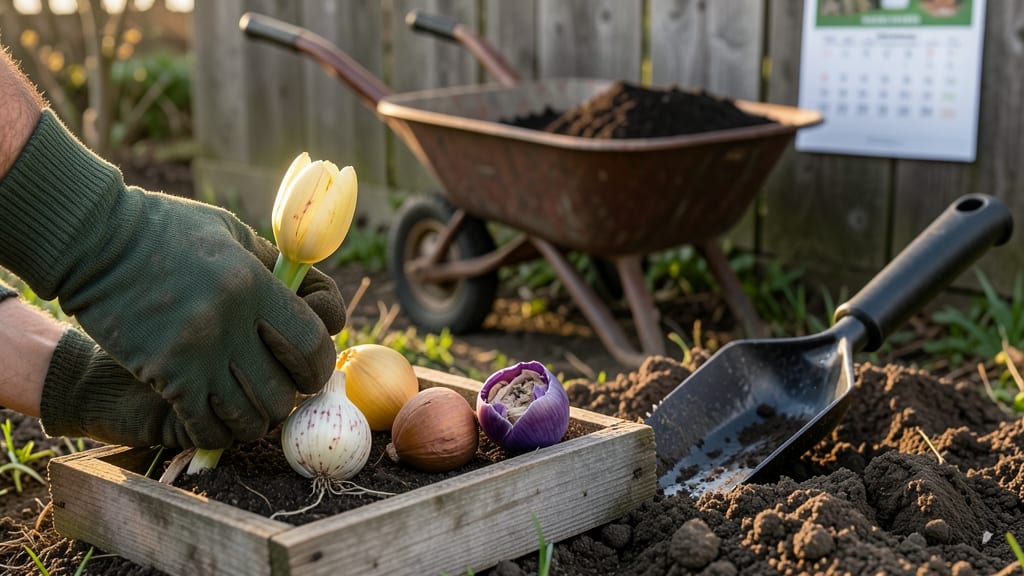
Planting bulbs at the wrong time in Zone 5b could mean the difference between a garden bursting with color and a missed opportunity for next year’s blooms. The key to success lies in understanding when to plant—whether you're working with spring-flowering varieties or fall favorites.
Fall is the prime window for most bulbs in Zone 5b, with September through November offering the perfect balance before the ground freezes. But timing isn’t just about the calendar—soil temperature and bulb type play a role too.
For example, daffodils and tulips thrive when planted in cooler fall soil, while summer-blooming varieties like dahlias need a different approach.
If you missed the fall window, don’t worry—spring planting is still an option for hardy bulbs like crocuses and some alliums. The goal is to get them in the ground 6-8 weeks before the first frost, ensuring they establish roots before winter sets in.
Whether you’re a seasoned gardener or just starting, knowing these factors will help you avoid common mistakes and set your bulbs up for success.
In this guide, I’ll break down the best times to plant in Zone 5b, how to prep your soil, and what to watch for after planting. Let’s make sure your garden gets the vibrant, long-lasting blooms you’re dreaming of!

Optimal fall planting times for Zone 5b bulbs (and why it matters)
Fall is the best time to plant most bulbs in Zone 5b because cool soil temperatures and shorter days signal dormancy, allowing roots to establish before winter. Planting too early risks rotting, while late planting may not give bulbs enough time to root before the ground freezes.
The ideal window is 6-8 weeks before your first frost date, typically mid-September to early November in Zone 5b.
In Zone 5b, where the first frost usually hits around October 15, aim to plant bulbs by mid-November at the latest. This timeline ensures bulbs have 4-6 weeks to develop roots before the ground freezes solid.
For example, daffodils and tulips thrive when planted in October, while crocuses can handle slightly later planting in November.
Soil temperature is critical—bulbs need 60°F or below to stop actively growing and enter dormancy. Use a soil thermometer to check; if temperatures stay above 65°F for too long, bulbs may sprout prematurely.
In Zone 5b, soil temperatures typically drop below 60°F by late September, making this the perfect cue to start planting.
Prepare your bulbs by soaking them for 1-2 hours in a fungicide solution (like 1 part bleach to 9 parts water) to prevent rot. Remove any moldy or soft bulbs, as these won’t survive winter.
Store bulbs in a cool, dry place until planting day to maintain their vitality.
| Bulb Type | Ideal Planting Month | Soil Temp Threshold | Depth (inches) | Spacing (inches) |
|---|---|---|---|---|
| Daffodils | October | Below 60°F | 6-8 | 4-6 |
| Tulips | October | Below 60°F | 6-8 | 4-6 |
| Crocuses | November | Below 55°F | 3-4 | 3-4 |
| Alliums | September-October | Below 65°F | 6-8 | 6-8 |
| Hyacinths | October | Below 60°F | 6-8 | 4-6 |
After planting, mulch with 2-3 inches of organic material (like straw or shredded leaves) to insulate bulbs and regulate soil temperature. This protective layer also prevents heaving during freeze-thaw cycles, keeping bulbs snug in the soil.
Avoid using fresh wood chips, as they can draw moisture away from the bulbs.
Water bulbs deeply after planting to encourage root growth, but reduce watering as winter approaches. Once the ground freezes, bulbs enter dormancy and require minimal moisture. In Zone 5b, a light snow cover can provide natural insulation, but avoid piling snow directly on bulb beds to prevent rot.
Spring blooms depend entirely on how well bulbs establish roots in fall. If planted correctly, daffodils and tulips will push through snow for early spring color, while alliums and hyacinths follow shortly after. Mark your planting spots with biodegradable flags to avoid disturbing them in spring.
Don’t forget to fertilize lightly in early spring (March) with a balanced 10-10-10 fertilizer to support next year’s blooms. This timing ensures nutrients are available when bulbs begin actively growing but haven’t yet emerged from the soil.
By mastering these fall planting windows and soil conditions, your
Spring planting for Zone 5b: late bloomers and cold-hardy bulbs
Spring planting in Zone 5b offers a second chance to add color to your garden, especially with late-blooming bulbs like alliums, gladiolas, and dahlias. Unlike fall-planted varieties, these bulbs thrive when planted in March or early April, just as the soil warms but before the rush of summer heat.
The key? Timing them right to avoid late frosts that can damage tender shoots.
Cold-hardy bulbs like tulips and daffodils can also be planted in spring, though they may bloom slightly later than fall-planted ones. The trade-off? You skip the risk of rodent damage or rot from wet fall soils.
For best results, focus on varieties labeled as spring-planting tolerant, such as rain lilies or crocuses, which handle cooler soils better.
Spring Planting in Zone 5b: Pros and Cons
Pros
- ✅ Avoids fall pests (squirrels, voles)
- ✅ Skips wet soil risks (prevents rot)
- ✅ Late bloomers extend season (summer color)
- ✅ Less competition (fewer gardeners planting)
Cons
- ❌ Later blooms (1-2 weeks delayed)
- ❌ Frost damage risk (tender shoots vulnerable)
- ❌ Limited bulb selection (fewer cold-hardy options)
- ❌ Shorter establishment time (less root growth before summer)
To protect your spring-planted bulbs from late frosts, choose microclimate spots near walls or under trees where cold air settles less. Mulch heavily with straw or leaves (3-4 inches) to insulate the soil.
For extra safety, cover newly sprouted shoots with frost cloth on nights when temperatures dip below 32°F. This simple step can save your investment and extend your blooming season.
Prepare the soil by amending it with compost or aged manure to improve drainage—spring-planted bulbs hate soggy conditions.
Plant bulbs twice as deep as their diameter (e.g., 6-inch-deep for 3-inch bulbs) and space them 3-4 inches apart for smaller varieties like crocuses or 6-8 inches apart for larger ones like dahlias. Water deeply after planting to encourage root growth before summer heat arrives.
After the last frost (typically mid-April in Zone 5b), fertilize lightly with a balanced 10-10-10 mix to support foliage growth. Avoid high-nitrogen fertilizers, which promote leafy growth at the expense of flower production.
Instead, opt for a phosphorus-rich formula (like 5-10-10) to encourage robust blooms. Monitor for pests like slugs or aphids, which thrive in spring’s damp conditions.
With the right late-blooming varieties and frost protection, your Zone 5b garden can shine well into summer and early fall. Try alliums for dramatic purple spheres, gladiolas for bold spikes, or rain lilies for unexpected pops of color after rain.
These bulbs reward patience with long-lasting, low-maintenance beauty—perfect for filling gaps left by early spring bloomers.