
Plants
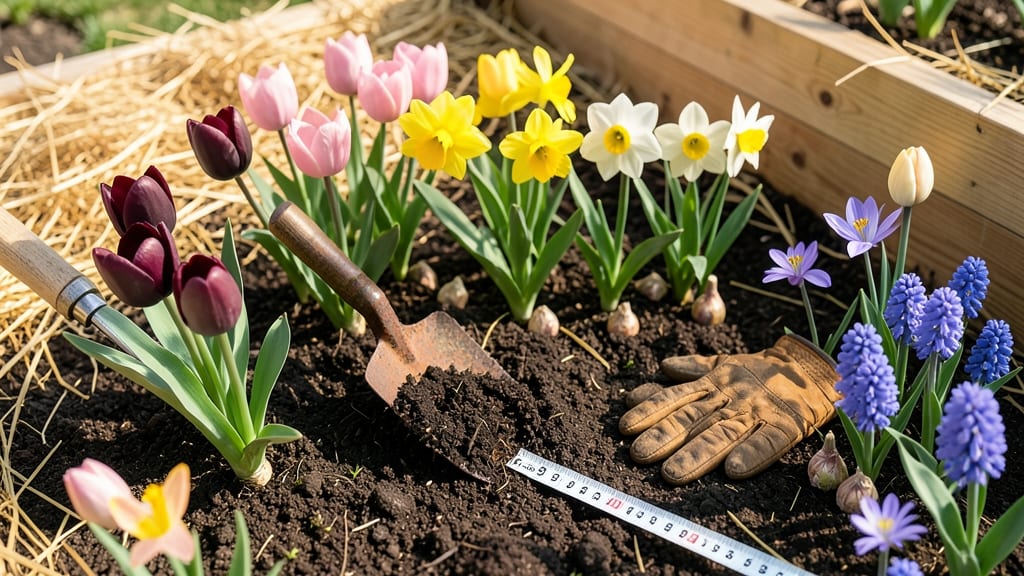
Planting Spring-Blooming Bulbs 🌷 in New Jersey isn’t just about digging holes—it’s about catching that 6-week window before the ground freezes, or risk watching your bulbs rot before they even bloom.
I’ve learned the hard way that timing is everything, especially when you’re staring at a garden full of tulips and daffodils that never made it past the frost.
For gardeners in NJ’s USDA zones 6a-7b, the ideal time to plant is between mid-October and December, but getting it wrong can mean the difference between a showstopping spring display and a sad, shriveled bulb.
Whether you’re in North Jersey (where frosts hit by mid-November) or South Jersey (with slightly later freezes), knowing the exact deadlines keeps your bulbs happy and thriving.
Here’s the game-changer: most bulbs need 6-8 weeks to establish roots before winter sets in. That means if you’re in zone 6a, you’ve got until early November—while those in zone 7b can push it closer to December.
I’ll walk you through the perfect planting schedule, soil prep tips, and how to adjust for NJ’s tricky microclimates (yes, coastal areas freeze later than inland spots!).
Ready to set your garden up for a burst of color next spring? Let’s dive into the exact steps—so you can skip the guesswork and enjoy blooms that’ll make your neighbors jealous.
Best months to plant spring-flowering bulbs in NJ’s zone 6b-7a
New Jersey’s Zone 6b-7a climate offers a narrow window for planting spring-flowering bulbs, where timing directly impacts bloom success. The key is planting when soil temperatures drop to 40-50°F—this triggers root growth before winter dormancy.
For most varieties, this means October through early November, but early bloomers like crocuses have slightly different deadlines.
Understanding your specific microclimate matters too. Coastal areas (like Cape May) stay cooler longer, while inland regions (like central NJ) may freeze earlier. Always check your last frost date—aim to plant 6-8 weeks before ground freeze, which typically falls between mid-October and November 15 in most of NJ.
Soil temperature is your best guide. Use a soil thermometer to confirm 50°F at 4-inch depth—this is the sweet spot for root establishment. If you miss this window, bulbs can rot in cold soil or fail to bloom the following spring. Tulips and hyacinths are especially sensitive to late planting.
| Bulb Type | Ideal Planting Window (NJ) | Soil Temp Threshold | Notes |
|---|---|---|---|
| Tulips (early varieties) | Late September - October 15 | 50-55°F | Bloom earliest; plant first for best color |
| Tulips (mid/late varieties) | October 1 - November 1 | 45-50°F | Longer stems; plant deeper (6" depth) |
| Daffodils | October 15 - November 15 | 40-45°F | Deer-resistant; plant 6-8" deep |
| Hyacinths | October 1 - November 1 | 45-50°F | Fragrant; needs well-draining soil |
| Crocuses | September 15 - October 30 | 50-55°F | Early bloomers; plant shallow (3") |
For early varieties like crocuses and early tulips, don’t wait past mid-October—these bulbs need time to establish roots before winter. Late varieties (like Darwin hybrid tulips) can stretch into early November, but push your luck, and you risk frozen soil, which stunts root growth.
Test your soil with a thermometer to avoid guessing.
Depth matters too. Most bulbs should go 6-8 inches deep, but smaller varieties (like miniature daffodils) only need 3-4 inches. Planting too shallow makes them vulnerable to frost heave, while burying them too deep delays blooming.
Use a bulb planter or trowel for precision—aim for 3x the bulb’s height in depth.
Soil preparation is half the battle. Amend your beds with compost or bulb fertilizer (high in phosphorus) before planting. NJ’s clay-heavy soils benefit from sand or peat moss to improve drainage.
Poor drainage leads to rot, especially in wet springs—a common issue in northern NJ. Raised beds solve this problem entirely.
Don’t forget to water thoroughly after planting, then let nature take over. Bulbs need consistent moisture for root growth but can’t handle soggy soil. Mulch with 2-3 inches of straw to insulate roots and suppress weeds.
In Zone 7a areas (southern NJ), you might squeeze in a January planting for late-winter blooms, but this is risky unless you’re forcing bulbs indoors.
Pro tip: Mark your bulb beds with stakes or flags—spring forgetfulness leads to accidental digging! As foliage emerges in spring, resist the urge to cut it back until it yellows naturally.
This ensures the bulb stores enough energy for next year’s blooms. Deadheading spent flowers extends the season but doesn’t replace proper foliage care.
Timing your bulb planting ensures vibrant spring displays that outshine your neighbors’. Stick to these Zone 6b-7a deadlines, and you’ll enjoy tulips in April, daffodils in May, and hyacinths in late spring—all with minimal effort. Happy planting! 🌷
Fall vs. spring planting: which works best for NJ’s climate?
New Jersey’s USDA zones 6b-7a create a unique challenge for bulb planting. While spring planting might seem logical, fall planting (September-November) gives bulbs 6-8 weeks to establish roots before winter. This head start means stronger blooms and better survival rates through our unpredictable early freezes.
Most spring-blooming bulbs—like tulips, daffodils, and hyacinths—thrive when planted in fall’s cooler soil. The ground stays workable longer, and bulbs avoid rot risks from spring’s wet conditions. In NJ, aim to plant by mid-November in northern areas (zone 6b) or early December in southern zones (7a).
Fall Planting vs. Spring Planting for NJ Bulbs
Fall Planting (🌱 Ideal for NJ)
- ✅ 6-8 weeks before frost
- ✅ Cooler soil reduces rot risk
- ✅ Strong root growth before winter
- ✅ Best for tulips, daffodils, crocuses
- ✅ NJ deadline: Mid-Nov (N) / Early Dec (S)
Spring Planting (⚠️ Limited Use)
- ❌ Higher rot risk in wet spring soil
- ❌ Weaker blooms (less root time)
- ❌ Only for summer bulbs (dahlias, cannas)
- ❌ NJ window: March-April (after last frost)
- ❌ Avoid for spring bloomers
There’s one critical exception: summer-blooming bulbs like dahlias, cannas, and gladiolas must wait for spring. These tender bulbs won’t survive NJ’s winters, so plant them in April-May after the last frost date. For most gardeners, though, fall planting is the golden rule for spring color.
NJ’s variable frost dates add another layer. Coastal areas (like Cape May) often see later freezes than inland spots (like Sussex County). Use soil thermometers to confirm 50°F soil temps—the sweet spot for planting.
If you miss fall’s window, don’t despair: January planting can still work for hardy varieties like snowdrops.
Pro tip: Mulch heavily after fall planting with 3-4 inches of straw. This insulates bulbs from freeze-thaw cycles and keeps soil moist. In spring, resist the urge to fertilize too early—wait until foliage appears before adding balanced 5-10-10 fertilizer. Timing truly is everything in NJ gardening! 🌷
Remember: Spring planting only works for tender bulbs or warm-season varieties. For classic spring blooms, fall’s your best bet—just don’t wait too long! The earlier you plant, the more vibrant next year’s garden will be. 🌿