
Companion Plants
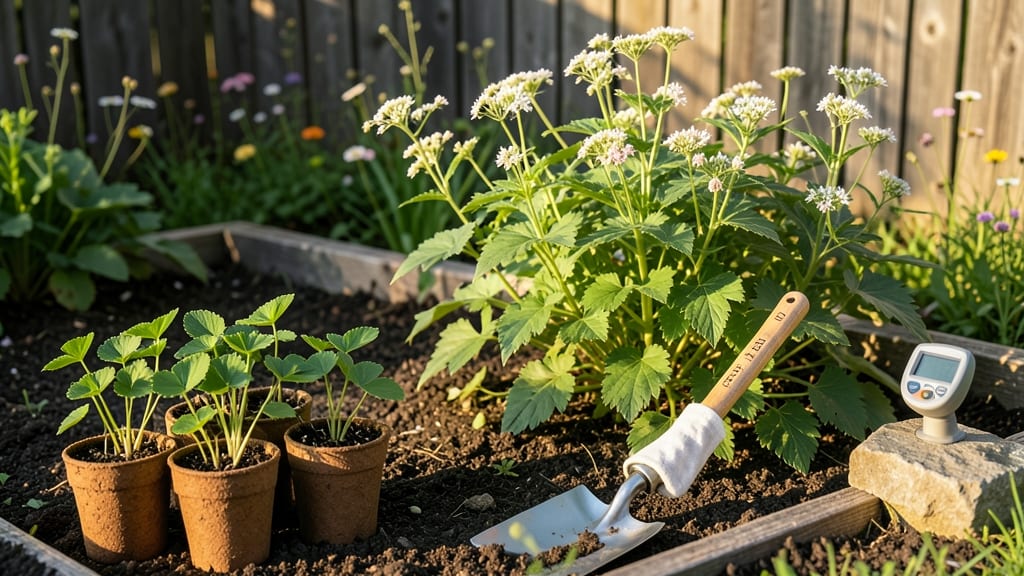
Planting buckwheat in Pennsylvania at the wrong time means missing out on its fast growth and pollinator benefits—or worse, losing your crop to frost.
This hardy annual thrives when soil warms to 50°F, but timing it right between last frost (late April) and summer heat is key for maximum yield.
Most gardeners in PA’s 5a-7a zones get the best results by sowing buckwheat 🌾 between late May and early June, giving it 45 days of warm weather to mature before fall frost. This window ensures it outpaces weeds, supports bees, and even doubles as a summer cover crop.
If you’re growing buckwheat for grain, aim for June planting—it needs heat to produce those signature triangular seeds. But for pollinators, you can stretch planting into early July for extended blooms. The secret? Watch for soil temperature, not just the calendar.
Ready to grow buckwheat that’s faster than weeds and packed with benefits? Let’s break down the exact months that work for your PA garden, whether you’re in Philadelphia’s heat or the cooler hills of the Poconos.
Best months to plant buckwheat in Pennsylvania for maximum yield
Pennsylvania’s diverse climate means buckwheat planting windows vary dramatically between the northern (USDA zones 5a-6a) and southern (zones 6b-7a) regions. In the Poconos or Erie, cold snaps can linger into mid-May, while Philadelphia or Pittsburgh often see frost-free soil by mid-April.
This difference affects everything from germination timing to harvest readiness before the first frost.
For grain production, aim to plant 45-60 days before your average first frost (typically mid-September in most of PA). For cover crop use, you can extend planting into early August to capture late-summer weeds and improve soil structure before winter.
The key? Soil temperature—buckwheat needs at least 50°F to germinate reliably.
| Region | Last Frost Date | Ideal Planting Window | Soil Temp for Germination | Harvest Window |
|---|---|---|---|---|
| Northern PA (Erie, Poconos) | May 10–20 | May 25–June 15 | 50°F+ | August 15–September 10 |
| Central PA (Harrisburg, State College) | April 20–May 5 | May 10–June 10 | 50°F+ | August 1–September 15 |
| Southern PA (Philadelphia, Pittsburgh) | April 1–April 15 | April 25–June 5 | 50°F+ | July 20–September 20 |
| Fall Cover Crop (All Regions) | N/A | Early August–September 1 | 55°F+ | Frost-killed by November |
In northern Pennsylvania, wait until after Memorial Day to plant buckwheat, as late frosts can still occur. Use black plastic mulch to warm the soil faster if needed.
For southern PA, you can start as early as late April, but avoid planting before April 15 unless you’re using row covers to protect seedlings.
Buckwheat thrives in warm soil, so direct sow seeds when the ground reaches 50°F. Use a soil thermometer to check—buckwheat won’t germinate below this temperature. In cool, wet springs (common in Erie or Scranton), opt for late May planting to avoid damping-off disease.
For grain production, prioritize June planting to ensure a 45-day growth cycle before frost. If you’re growing buckwheat as a cover crop, plant in early August to suppress weeds and add organic matter before winter. This fall planting also attracts beneficial insects like ladybugs and lacewings.
Pro tip: Succession plant buckwheat every 2–3 weeks in June and July for continuous pollinator support. Each planting will bloom for 3–4 weeks, extending the nectar flow for bees and butterflies.
In drought-prone areas (like western PA), water deeply once a week after germination to encourage strong root growth.
If you’re in zone 5a (e.g., State College), push planting to <
How to time buckwheat planting for pollinator support in PA gardens
Buckwheat’s fast-growing blooms make it a pollinator magnet in Pennsylvania gardens, but timing directly impacts how long bees and butterflies will have access to its nectar. The 45-day flowering window is short, so strategic planting ensures continuous food sources throughout summer.
For maximum pollinator support, aim to stagger plantings every 3-4 weeks between late May and early August.
In Pennsylvania’s USDA zones 5a-7a, buckwheat thrives when planted after the last frost date—typically mid-to-late May in most regions. However, the real secret to extending pollinator support lies in succession planting.
By planting new batches every 3 weeks, you can create a continuous bloom cycle from early July through September, just as native pollinators need food most.
- 📅 Late May - First planting for early blooms (target July 1 flowering)
- 📅 Early June - Second planting (peak July 20-August 5 blooms)
- 📅 Mid-June - Third planting (critical for August 15-September 1 support)
- 📅 Early July - Final planting (extends blooms into late September)
Pro Tip: Use companion plants like borage or sunflowers between buckwheat rows to fill gaps in the 45-day bloom window 🌻
For northern PA regions (zones 5a-6a), start your first planting around May 20 to avoid late frosts, while southern PA (zones 6b-7a) can begin as early as mid-May. The key is to align your planting with soil temperatures above 50°F—buckwheat germinates best when the ground is consistently warm.
Use a soil thermometer to confirm readiness in cooler microclimates.
Don’t overlook companion planting to maximize pollinator support. Pair buckwheat with clover or alfalfa for a low-growing ground cover that attracts bees while protecting buckwheat roots. This combination also extends the flowering period by providing staggered bloom times.
In my Pittsburgh garden, this strategy added 10 extra days of continuous nectar availability for monarch butterflies.
To extend the flowering window beyond the typical 45 days, consider planting fall buckwheat in late August for a September-October bloom. While less common, this works well in southern PA where first frosts arrive after October 15.
Choose fast-maturing varieties like 'Manchuria' to ensure blooms appear before cold weather sets in.
Remember, pollinators need reliable food sources—don’t let your buckwheat go to seed too quickly! If you notice flowers wilting prematurely, it may indicate underwatering or nutrient stress. Maintain consistent moisture (1/2 inch per week) and avoid heavy fertilization, which can shorten the bloom period.
With the right timing, your buckwheat can become a year-round pollinator hub in your PA garden. 🐝