
Plants
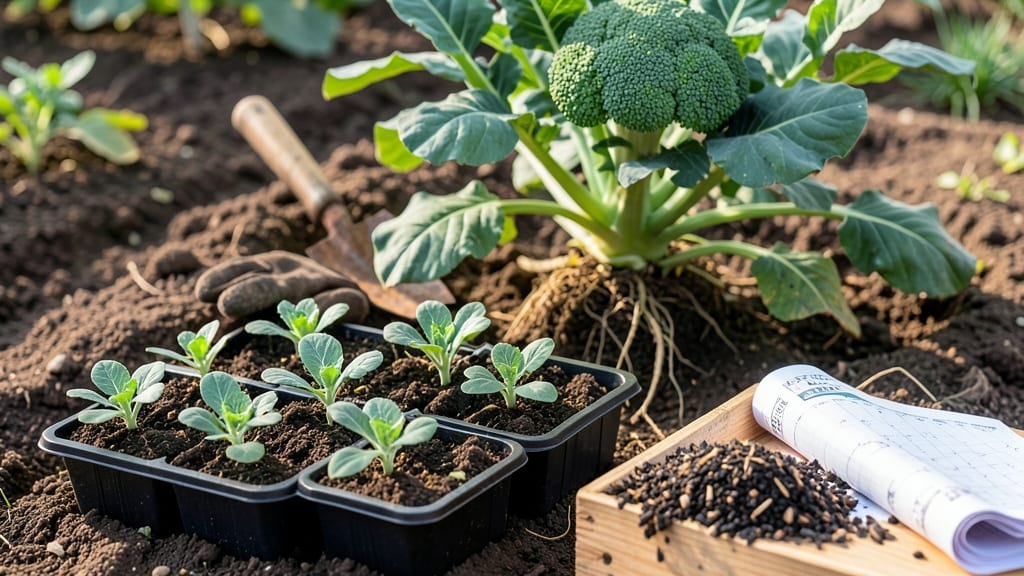
Timing your 🥦 broccoli planting in Zone 9b isn’t just about the calendar—it’s about outsmarting the heat. Plant too early, and your broccoli bolts before you can harvest; too late, and heat stress stunts growth.
The key? Strategic fall and winter plantings that align with your microclimate—whether you’re in Phoenix’s desert or coastal Southern California’s milder zones.
Most gardeners in Zone 9b swear by September through November as the sweet spot, but there’s more to it than dates. Soil temperature, shade placement, and even afternoon humidity play a role in preventing bolting.
I’ll break down exactly how to read your local cues and adjust your schedule for foolproof results.
What if you’ve tried planting broccoli before and ended up with bitter, underwhelming heads? The solution isn’t just patience—it’s cool-season hacks like shade cloth, succession planting, and variety selection. Let’s dive into the 3 game-changers that’ll turn your Zone 9b broccoli from a gamble into a guaranteed harvest.
By the end, you’ll know not just when to plant, but how to set up your broccoli for success—so you’re harvesting crisp, flavorful heads from March through May without the stress. Ready to grow broccoli that actually thrives in the desert?

Best planting times for broccoli in Zone 9b (avoiding bolting & heat stress)
Zone 9b’s warm climate makes broccoli planting a delicate balance—too early, and your plants bolt under summer heat; too late, and they struggle to mature before spring warmth arrives. The ideal window is fall (September-November) for winter harvests or late winter (January-February) for spring crops.
Coastal areas like San Diego have milder microclimates than inland deserts like Phoenix, so adjust timing accordingly.
Broccoli thrives when soil temperatures stay between 45°F and 75°F—any hotter, and your plants will bolt (send up flower stalks). In Zone 9b, soil thermometers are your best friend.
Aim for 60°F-70°F soil temps at planting depth (1-2 inches). Coastal areas cool faster in fall, while inland zones may need shade cloth to protect seedlings from afternoon sun.
Here’s your Zone 9b planting timeline broken down by microclimate, with heat tolerance thresholds and soil prep tips:
For coastal Zone 9b, like San Diego, you can push fall plantings slightly later (up to mid-October) because ocean breezes moderate temperatures. Inland areas should plant by early September to avoid summer heat stress.
Use a soil thermometer to confirm temps—broccoli roots need consistent coolness to form tight heads.
Pro tip: Calculate your "last frost" date even in Zone 9b—it’s not about freezing temps but about heat thresholds. For example, Phoenix’s "last frost" for broccoli is when daytime highs stay below 85°F for 2 weeks.
Check local Almanac frost charts or use the USDA Plant Hardiness Zone Map tool to find your exact microclimate.
If you’re planting in spring (March-April), choose bolt-resistant varieties like ‘De Cicco’ or ‘Waltham 29’ and provide 30-50% shade cloth during peak afternoon heat. Inland gardeners should avoid spring plantings entirely—the risk of bolting is too high. Instead, focus on fall and winter crops for reliable harvests.
Soil preparation is half the battle in Zone 9b. Broccoli needs well-draining, slightly acidic soil (pH 6.0-7.0). Amend your garden beds with 2-3 inches of compost and a balanced fertilizer (5-10-10) before planting.
Add organic mulch (straw or wood chips) to retain moisture and keep roots cool—critical in desert climates.
Watering strategy matters too. Broccoli in Zone 9b needs 1-1.5 inches of water per week, but deep watering in the morning prevents fungal diseases. Avoid overhead watering—it can stress plants in the heat.
Drip irrigation or soaker hoses work best, delivering water directly to the roots where it’s needed most.
Remember: Broccoli is a cool-season crop, but Zone 9b’s warmth means we’re cheating the system with timing and shade
5 Cool-season tricks to prevent broccoli bolting in hot climates
Zone 9b’s relentless heat turns broccoli into a finicky crop—one wrong move, and your plants bolt before you even see a head. The key is cool-season strategies that trick your broccoli into thinking it’s autumn, not summer.
I’ve grown heat-resistant varieties like ‘Waltham 29’ for years, and these tricks keep my plants happy until harvest. The secret? Root cooling, shade management, and succession planting on a schedule that outsmarts the heat.
First, let’s tackle the biggest enemy: soil temperature. Broccoli roots need to stay below 70°F (21°C) to prevent bolting. In Zone 9b, that means mulching with 3-4 inches of straw or black plastic mulch to block heat from penetrating.
I’ve seen root zone temps drop 10°F with this method—game-changer for desert gardens. Pair that with drip irrigation to keep soil consistently moist, which also helps regulate temperature.
🌱
- 1 Plant in fall (Sept-Oct) when soil temps drop below 75°F (24°C). Use shade cloth (30-50%) for 2-3 hours daily during peak heat (12-3 PM).
- 2 Choose bolt-resistant varieties: ‘De Cicco’ (45 days), ‘Waltham 29’ (60 days), or ‘Green Goliath’ (55 days). These handle Zone 9b heat better than standard types.
- 3 Succession plant every 2 weeks from September to November. Staggered plantings ensure continuous harvests before spring heat spikes.
- 4 Mulch with straw or wood chips (3-4 inches) to insulate roots. Replenish after rains to maintain cool, moist soil.
- 5 Harvest side shoots aggressively. After cutting the main head, side shoots regrow in 2-3 weeks, extending your harvest window by 4-6 weeks.
Shade is your next best friend. I swear by 30-50% shade cloth draped over my broccoli beds during the hottest afternoon hours (12-3 PM). This reduces soil temps by up to 15°F and prevents leaf scorch.
For container-grown broccoli, move pots to a shadier spot when temps exceed 85°F (29°C). I’ve even used whitewashed plastic milk jugs as mini greenhouses at night to trap cool air around young seedlings.
Don’t overlook succession planting. In Zone 9b, I plant broccoli every 2 weeks from September to November, then again in January for a spring harvest. This keeps my garden producing while the coolest months stretch from November to March.
Pro tip: Sow fast-maturing varieties like ‘Green Magic’ (45 days) in late summer for a fall harvest before bolting sets in.
Finally, fertilize smartly. Too much nitrogen in heat = bolting. I use a low-nitrogen formula (5-10-10) every 4-6 weeks and side-dress with compost instead. Water deeply in the early morning to avoid fungal issues from evening moisture.
With these tricks, I’ve harvested broccoli in Zone 9b year-round—even in summer with shade and extra care.
☀️