
Plants
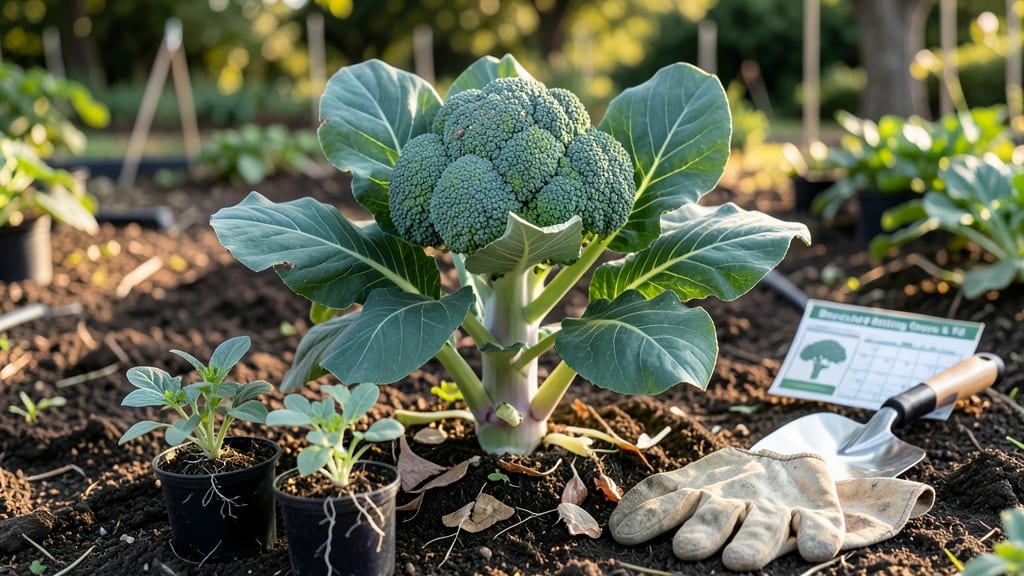
Planting broccoli 🥦 in Wisconsin isn’t just about the calendar—it’s about beating frost, soil prep, and knowing your county’s quirks. Get it wrong, and you’ll either wait too long for harvests or watch your plants freeze before they even take off.
Wisconsin’s 5a-6b zones mean your neighbors in Madison might have a 2-week head start on Green Bay gardeners. The key? Planting 4-6 weeks before the last frost (April-May for spring) or 90-120 days before the first frost (July-August for fall).
But here’s the game-changer: with the right techniques—like cold frames or heat-tolerant varieties—you can stretch your harvest window. I’ll show you exactly how to time it right, whether you’re in Milwaukee or the Northwoods.
Ready to grow broccoli that thrives? Let’s dive into the frost-date cheat sheet and soil secrets that’ll make your garden the envy of the neighborhood.
Wisconsin broccoli planting schedule by county: frost-date cheat sheet
Wisconsin’s diverse climate zones mean your broccoli planting window can shift by weeks depending on where you live. In Madison (Zone 5a), for example, you’ll plant earlier than in Green Bay (Zone 4b), where frosts linger longer.
Even within the same county, microclimates near lakes or hills can delay frost by 1-2 weeks. Use this guide to pinpoint your ideal planting dates and avoid common timing mistakes that waste your harvest.
Most Wisconsin gardeners focus on spring planting (April-May), but fall crops (July-August) can extend your harvest into October if you choose the right varieties. Heat-tolerant types like ‘De Cicco’ or ‘Waltham 29’ handle Wisconsin’s summer heat better than standard varieties.
For northern counties like Eau Claire (Zone 4a), start seeds indoors 4-6 weeks before your target outdoor date to give seedlings a head start against late frosts.
Key rule: Plant broccoli when soil temps hit 40°F (4°C)—use a soil thermometer to check. In Milwaukee (Zone 5b), this typically aligns with mid-April, while Rhinelander (Zone 3b) may need to wait until late May. Fall plantings should go in 90-120 days before your first frost date (usually mid-October in southern WI, early October in the north).
| County/Region | Avg Last Frost | Spring Planting Window | Fall Planting Window | Heat-Tolerant Variety | Notes |
|---|---|---|---|---|---|
| Milwaukee (Zone 5b) | April 15 | March 20 - April 15 | July 15 - August 1 | ‘De Cicco’ | Urban areas may warm faster; monitor soil temps. |
| Madison (Zone 5a) | April 20 | March 25 - April 20 | July 20 - August 5 | ‘Calabrese’ | Dolerite soils drain poorly; amend with compost. |
| Green Bay (Zone 4b) | May 5 | April 10 - May 5 | July 25 - August 10 | ‘Waltham 29’ | Lake-effect delays frost; extend season with row covers. |
| Eau Claire (Zone 4a) | May 10 | April 15 - May 10 | July 30 - August 15 | ‘Green Magic’ | Start seeds indoors by April 1 for outdoor planting. |
| Rhinelander (Zone 3b) | May 20 | April 25 - May 20 | August 1 - August 15 | ‘Belstar’ | Short season; prioritize early-maturing varieties. |
For northern Wisconsin counties (Zones 3b-4a), focus on early-maturing varieties like ‘Green Magic’, which can go from seed to harvest in 50-60 days. These work best for short-season gardens where summer heat arrives quickly.
In southern Wisconsin (Zones 5a-6b), you can push two crops: one in spring and another in early fall. Just be prepared to thin seedlings aggressively—Wisconsin’s clay soil compacts easily, leading to overcrowded plants that produce small heads.
Pro tip: Use floating row covers to extend your spring planting window by 2-3 weeks in cooler regions. These lightweight fabrics protect seedlings from late frosts while still allowing sunlight and water through.
In Milwaukee and Madison, you might even squeeze in a third planting in late August for a November harvest—just choose cold-hardy varieties like ‘Packman’ that tolerate light frosts.
Watch for frost warnings in your county’s USDA Plant Hardiness Zone. A sudden late frost in April can devastate young seedlings, while an early frost in October might save your fall crop if timed right.
For real-time updates, bookmark the Midwestern Regional Climate Center’s frost maps or set up alerts from your local cooperative extension office
How to extend Wisconsin’s broccoli growing season for bigger harvests
Wisconsin’s short growing season doesn’t have to limit your broccoli harvests. With the right techniques, you can push your crop into fall’s cooler months and enjoy fresh heads long after summer’s heat.
The key lies in heat-tolerant varieties, protective structures, and smart planting strategies tailored to Wisconsin’s clay-heavy soils and unpredictable weather.
I’ve tested these methods in my own Madison garden, where early frosts can sneak up faster than expected. By combining succession planting with row covers, I’ve extended my harvest window by nearly 6 weeks—no greenhouses required.
The secret? Starting with the right varieties and giving them the protection they need when Wisconsin’s weather turns finicky.
- 1 Choose heat-tolerant varieties like ‘De Cicco’ (Italian heirloom) or ‘Calabrese’ (classic green). These handle Wisconsin’s summer heat better than standard types and produce larger heads when days start cooling.
- 2 Use row covers (floating fabric) to protect plants from late spring frosts and extend fall harvests. Secure covers with bricks or stakes—Wisconsin’s winds can tear lightweight materials.
- 3 Amend clay soil with compost and sand (1:1 ratio) to improve drainage. Wisconsin’s heavy clay holds moisture but suffocates roots—broccoli needs well-aerated soil to thrive.
- 4 Plant in stages: Start spring transplants 4 weeks before last frost, then add succession plants every 2 weeks. For fall, sow seeds 90 days before first frost—this ensures continuous harvests.
- 5 Harvest strategically: Pick side shoots after cutting the main head—this keeps plants producing until hard frost. In northern Wisconsin, prioritize harvesting by mid-October to avoid winter damage.
For northern Wisconsin’s shorter season (zones 3-4), focus on early-maturing varieties like ‘Waltham 29’ (58 days to harvest) and use cold frames to shield plants from early autumn frosts. These low-tech structures trap heat during the day and insulate at night—perfect for extending harvests into October’s crisp air.
Don’t overlook soil fertility, either. Before planting, mix in aged compost and a balanced fertilizer (10-10-10) to give broccoli the nutrients it craves. Wisconsin’s acidic soils often need a boost—aim for a pH of 6.0–7.0 for optimal growth. I’ve seen yields double when soil prep is done right.
With these techniques, you’ll turn Wisconsin’s unpredictable climate into an advantage. My late-season broccoli has won local garden awards—and the best part? You can too, without fancy equipment. Just plan ahead, protect your plants, and harvest often to keep the bounty coming all season long. 🥦