
Plants
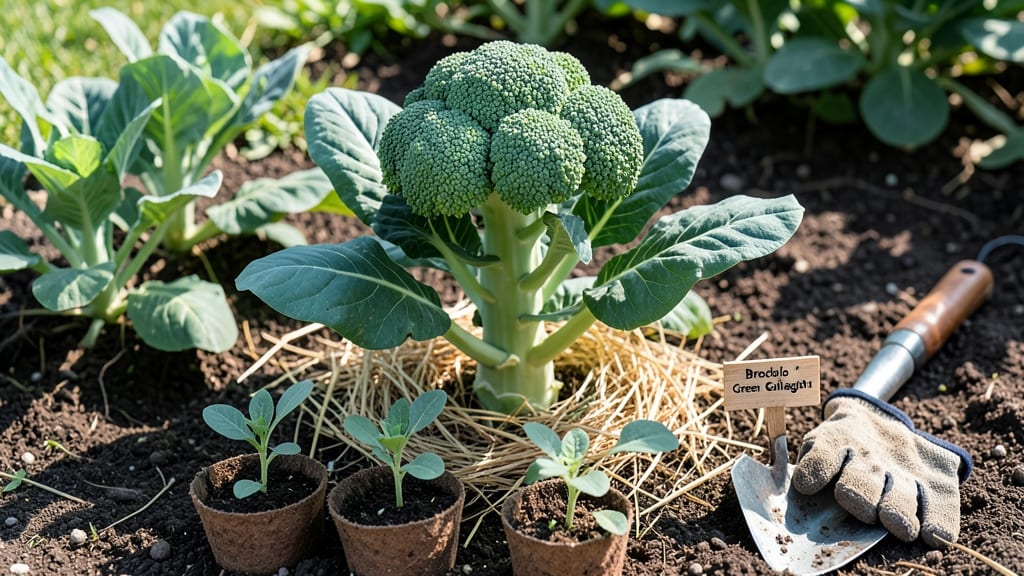
Timing your 🥦 broccoli planting in North Texas can make or break your harvest—get it wrong, and you’ll either face frost damage or wilt under summer’s brutal heat.
The key is planting 4-6 weeks before the first frost (late August) for fall crops or 4-6 weeks before the last frost (early March) for spring, but local microclimates and heat tolerance tweak those deadlines.
Most gardeners in Zone 8a miss the sweet spot by planting too late in spring or too early in fall, leaving them scrambling to salvage their plants.
But with the right cold-hardy varieties and a few smart adjustments—like mulching and shade cloth—you can stretch your growing season and avoid common pitfalls like bolting or stunted growth.
In this guide, I’ll break down the exact planting windows for North Texas, from seed-starting dates to transplanting tips, so you can enjoy a steady supply of homegrown 🥦 broccoli from November through June. No more guessing—just proven strategies tailored to our unpredictable climate.
Ready to grow broccoli that thrives? Let’s dive into the optimal timing and techniques that’ll keep your plants happy, healthy, and productive—no matter what Texas throws at them.
Best planting windows for broccoli in North Texas by season
North Texas gardeners face unique challenges when growing broccoli—our hot summers and variable winters demand precise timing. The key is planting during cool-season windows when soil temperatures stay between 45°F and 85°F. Miss these windows, and you’ll battle bolting (premature flowering) or stunted growth from heat stress.
For fall harvests, aim to plant late August through early September—this gives broccoli 60-75 days to mature before first frost (typically around December 1). Spring planting should start February through early March, with harvests ready by May or June before summer heat sets in.
Here’s your seasonal planting breakdown with frost-free deadlines and optimal soil temps for North Texas zones 7b-9a:
| Season | Planting Window | Soil Temp (°F) | Frost Risk | Harvest Window |
|---|---|---|---|---|
| Fall | Late August – Early September | 55°F–75°F | Low (after Sept 15) | November – December |
| Mid-Fall | Mid-September – Early October | 50°F–65°F | Moderate (frost possible) | December – January |
| Spring | February – Early March | 50°F–60°F | Low (after March 15) | May – June |
| Late Spring | Late March – Early April | 55°F–70°F | High (heat stress risk) | June – July |
For fall planting, start seeds indoors 4-6 weeks before your target outdoor date (e.g., mid-July for late August transplants). Harden off seedlings for 7-10 days before moving them to the garden, where they’ll need full sun and well-draining soil with a pH of 6.0–7.0.
Use black plastic mulch to warm soil faster in early fall.
Spring planting requires patience—wait until soil temps drop below 85°F (usually after March 15) to avoid bolting. If you’re in Zone 8a or warmer, opt for heat-tolerant varieties like 'De Cicco' or 'Waltham 29', which handle short heat spells better than standard types.
Pro tip: Use shade cloth (30-50%) during late spring to protect seedlings from intense Texas sun. Pair broccoli with bush beans or radishes to improve soil structure and deter pests like cabbage worms. Avoid planting near tomatoes, as they compete for nutrients.
In North Texas’ unpredictable climate, always check your local frost dates (use the Texas A&M AgriLife Extension tool) and adjust planting dates accordingly. For continuous harvests, stagger plantings every 2-3 weeks in fall or 1 week in spring.
This ensures you’re never without fresh broccoli for more than 4-6 weeks.
Remember, broccoli thrives in cool weather—if temps exceed 80°F for more than 3 days, growth slows dramatically. Use drip irrigation to keep roots cool and mulch heavily to retain moisture. With these seasonal windows and local adaptations, you’ll enjoy homegrown broccoli year-round in North Texas!
Top cold-hardy broccoli varieties that thrive in Texas winters
North Texas winters can be unpredictable—freezing nights followed by warm days—but the right cold-hardy broccoli varieties can survive and even thrive. These varieties tolerate light frosts (down to 20°F) and still produce high-quality heads in our USDA Zone 7b-8a climate.
The key is choosing varieties with fast maturity times and disease resistance to avoid common Texas issues like blackleg or clubroot.
For my North Texas garden, I’ve found three standout varieties that balance cold tolerance, heat resilience, and productivity. Each has unique strengths, whether it’s early harvests, compact growth, or prolonged production.
Let’s break down the pros and cons to help you pick the best fit for your fall and winter plantings.
Pros:
- 60-day maturity
- Tolerates 20°F frosts
- Large, uniform heads
Pros:
- 55-day maturity
- Compact growth
- Continuous side shoots
Pros:
- 70-day maturity
- Heat-tolerant
- Disease-resistant
Cons:
- Needs rich soil
- Susceptible to bolting in heat
Cons:
- Smaller heads
- Less cold-hardy than Waltham
Cons:
- Slower to mature
- Requires staking
Waltham 29 is my go-to for fall plantings in North Texas because it matures quickly (60 days) and handles our winter frosts like a champ. The heads are large and uniform, perfect for roasting or steaming. However, it demands well-amended soil—I always mix in compost and aged manure before planting. If you’re short on space, De Cicco is a great alternative. It’s compact and prolific, producing multiple side shoots after the main head, which extends your harvest window.
Calabrese, on the other hand, is ideal if you’re planting in early spring or want to push your late-winter harvests. It’s more heat-tolerant than the other two, making it a better choice for North Texas’ unpredictable winters. The downside? It takes 70 days to mature, so you’ll need to plant it earlier than Waltham to avoid summer heat. I’ve also found that staking is a must for Calabrese—its tall stems can flop under the weight of heavy heads.
For disease resistance, all three varieties hold up well, but Calabrese has the edge in clubroot and downy mildew resistance, which is crucial in North Texas’ humid winters.
If you’re dealing with poor drainage or heavy clay soil, consider raising beds or amending with sand and organic matter to prevent root rot. And remember, succession planting every 2-3 weeks ensures a steady supply of fresh broccoli from November through March.
My final tip? Start seeds indoors 4-6 weeks before your target transplant date to give them a head start. North Texas’ short winter days can slow germination, so using a grow light or placing trays in a sunny window helps.
With the right variety and timing, you’ll be enjoying homegrown broccoli even when your neighbors are huddling under blankets! 🥦