
Plants
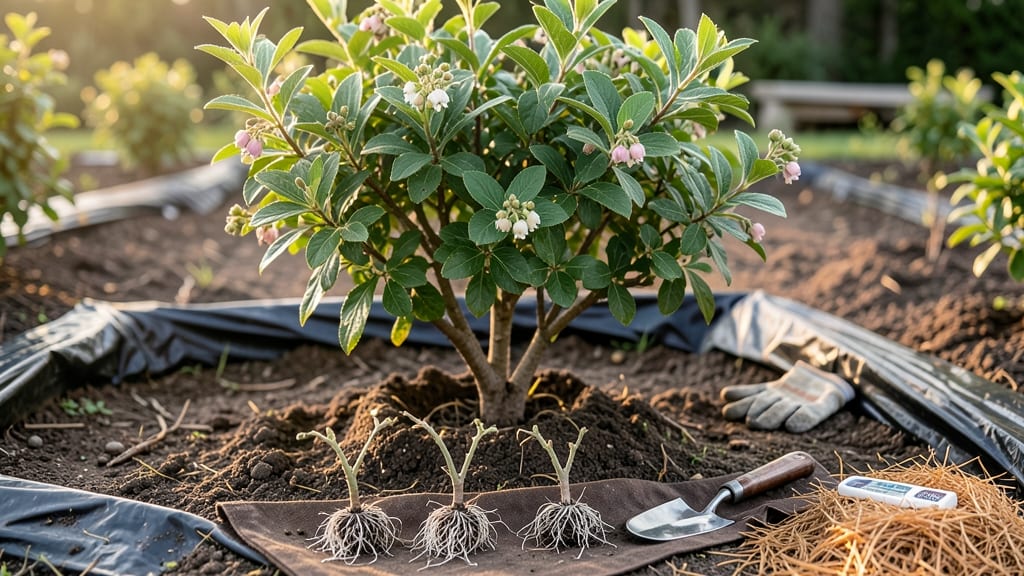
Planting your 🫐 blueberries at the wrong time in Zone 8b could mean the difference between a bountiful harvest and years of frustration. The key isn't just picking a month—it's understanding when the soil warms, how late frosts behave, and which varieties handle your local heat best.
In Zone 8b, the ideal window stretches from late winter to early spring (February through March), when dormancy breaks and roots can establish before summer heat arrives.
But timing matters even more for bare-root plants versus container-grown ones—get this wrong, and you might end up with stressed bushes struggling to survive.
I’ve tested what works (and what doesn’t) in my own garden, and the secrets aren’t just about months—they’re about soil prep, variety selection, and even how much water your plants need as temperatures rise.
Let me walk you through the exact steps to plant 🫐 blueberries for a harvest that’ll make your neighbors jealous.
Whether you’re a first-timer or a seasoned gardener, these insights will help you avoid common pitfalls—like alkaline soil or late frosts—that can kill your bushes before they even bear fruit. Ready to get started?

Best planting months for blueberries in Zone 8b (with exact timing)
Planting blueberries in Zone 8b requires precision—miss the window, and your young bushes face frost damage or heat stress. The ideal time depends on whether you're planting bare-root or container-grown plants, as well as your local microclimate.
Inland areas with hotter summers need earlier planting, while coastal regions can extend windows slightly due to milder temperatures.
For bare-root blueberries, aim for late winter to early spring (February–March) when soil temperatures reach 45–50°F. This timing lets roots establish before summer heat arrives.
Container-grown plants offer more flexibility and can be planted until early May, but avoid planting after April 15 in inland areas to prevent heat shock.
Soil temperature is critical—roots won’t grow below 40°F, and planting too early risks frost damage. Use a soil thermometer to confirm readiness. Coastal Zone 8b growers can plant 1–2 weeks later than inland gardeners due to slower soil warming.
Here’s your month-by-month planting guide for Zone 8b, including adjustments for microclimates:
| Month | Bare-Root Plants | Container-Grown Plants | Soil Temp Requirement | Microclimate Notes |
|---|---|---|---|---|
| February | ✅ Ideal (coastal) | ❌ Avoid (too cold) | 45–50°F | Inland: Wait until March. Coastal: Safe for early planting. |
| March | ✅ Best for bare-root | ✅ Safe for containers | 50–55°F | Universal sweet spot. Avoid if frost forecasted. |
| April | ⚠️ Risky (late frosts) | ✅ Last chance for containers | 55–60°F | Inland: High heat stress risk. Coastal: Still safe. |
| May | ❌ Too late | ❌ Avoid (heat shock) | 60°F+ | Extreme heat reduces root establishment success. |
| October–November | ❌ Avoid (dormancy) | ✅ Fall planting (containers) | 55–60°F | Coastal areas only. Mulch heavily for winter protection. |
If you’re in a coastal Zone 8b area (e.g., southern California or Georgia coast), you can push planting 1–2 weeks later than inland zones. Coastal soils warm slower, and humidity reduces heat stress.
Inland gardeners should prioritize March planting to avoid summer drought and heat waves that can kill young roots.
For container-grown blueberries, the window extends slightly—planting in late April is still viable if you provide daily shade cloth and deep watering. Bare-root plants, however, must be in the ground by early April to avoid transplant shock.
Always check your local last frost date (typically February 15 for Zone 8b) and add 2–3 weeks as a buffer.
Pro tip: Mulch immediately after planting with 3–4 inches of pine straw to retain moisture and regulate soil temperature. This is especially critical in inland Zone 8b, where summer temperatures can exceed 95°F. Mulch also suppresses weeds, which compete for nutrients your blueberries desperately need.
Watch for late-season frosts in March—these can kill newly planted bushes. If frost is forecasted within 2 weeks of planting, delay until conditions stabilize. Use frost cloth if you must plant early in high-risk areas like the San Joaquin Valley.
Remember, soil preparation is just as critical as timing. Zone 8b soils often lack the acidity (
How to prepare your Zone 8b soil for blueberry planting (critical for pH and drainage)
Blueberries are picky about their soil—especially in Zone 8b, where heat and alkaline tendencies can sabotage your harvest. Before planting, you must create an acidic, well-draining environment.
Skipping this step means stunted growth, poor fruit production, or even plant death. Let’s fix that with a science-backed soil prep routine tailored for your climate.
Start by testing your soil’s pH level. Blueberries demand a narrow range of 4.5–5.5—any higher, and your plants will suffer from chlorosis (yellowing leaves) and nutrient deficiencies. Grab a soil test kit (available at garden centers) or send a sample to your local Cooperative Extension Service.
Zone 8b soils often lean alkaline, so be prepared to amend aggressively.
⚠️ WARNING: Common Mistake in Zone 8b ⚠️
If your soil tests above 6.0, don’t panic—you can lower the pH using elemental sulfur or peat moss. For every 0.1 pH unit you need to drop, apply 1 pound of sulfur per 100 square feet and water it in. Work it into the top 6–12 inches of soil where roots will grow. Peat moss (2–3 inches mixed into the topsoil) also helps retain acidity while improving drainage.
Drainage is just as critical as pH. Blueberries hate soggy feet, and Zone 8b’s heavy clay soils can trap moisture.
If your yard has poor drainage, consider planting in a raised bed (filled with a mix of peat moss, pine bark, and compost) or amending the soil with coarse sand or perlite.
A simple percolation test (dig a 12-inch hole, fill with water, and time how long it drains) will tell you if you need to improve drainage.
Boost your soil’s organic matter with well-rotted compost or leaf mold. Aim for 3–4 inches mixed into the top 12 inches of soil. This improves structure, holds moisture without waterlogging, and feeds beneficial microbes. Avoid fresh manure—it can raise pH and burn roots.
Instead, opt for pine fines (finely ground pine bark) or composted hardwood mulch, which both acidify the soil over time.
Finally, mulch your blueberry beds with pine straw or wood chips (avoid cedar—it’s too acidic). Spread a 3-inch layer around the base of your plants, keeping it 2–3 inches away from the stem to prevent rot.
Mulch slows moisture loss, keeps roots cool in Zone 8b’s summer heat, and gradually acidifies the soil. Replenish it annually to maintain its benefits.
With these steps, your Zone 8b soil will be a blueberry paradise—ready to support vigorous growth and bountiful harvests year after year. 🌱