
Plants
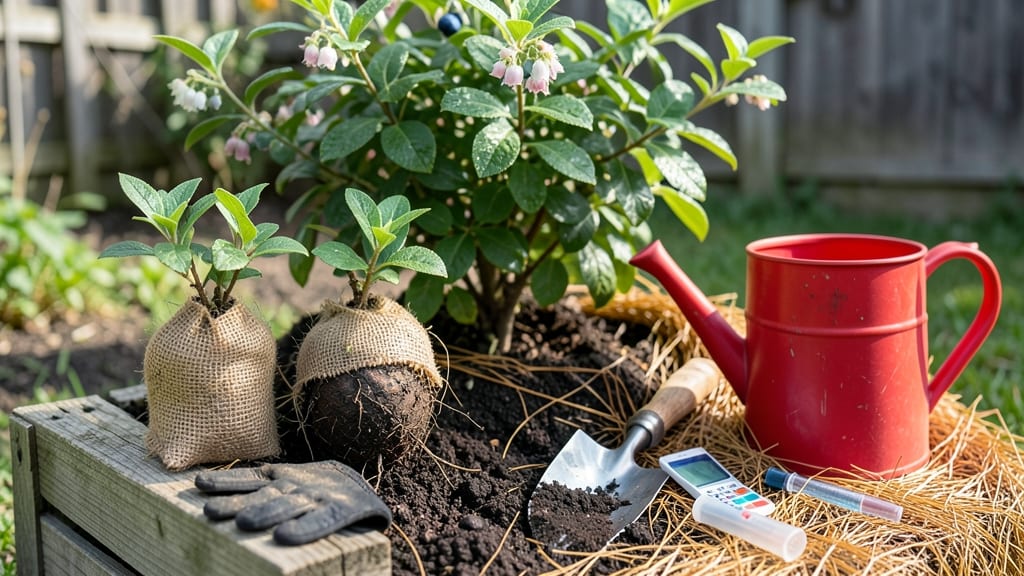
Planting blueberries in Zone 8 at the wrong time can mean the difference between a thriving 🫐 bush and a sad, frost-nipped failure—especially when chill hours are on the line. If you've ever wondered why your blueberry saplings wilted after winter or struggled to fruit, timing is likely the culprit.
Zone 8 gardeners face a unique challenge: mild winters mean fewer chill hours, but planting too late risks poor root establishment before the heat of summer arrives. The sweet spot?
Late winter to early spring, when soil is workable but frost danger has passed—typically February to March—but there’s more to it than just the calendar.
I’ve helped countless gardeners in 8a-8b zones nail their blueberry planting, and the key isn’t just picking a month—it’s understanding your microclimate, soil prep, and the specific chill needs of your variety.
Let’s break down exactly when to plant for a bumper harvest, plus the 3 critical steps that separate success from disappointment.
Whether you’re a first-timer or a seasoned grower, these insights will help you avoid common pitfalls and get your blueberries off to the right start. Ready to turn your backyard into a blueberry powerhouse?

Best months to plant blueberries in Zone 8 based on chill-hour requirements
Blueberries thrive in Zone 8 when planted at the right time, but the 500-1,000 chill-hour requirement makes timing critical.
Unlike cooler zones, Zone 8's mild winters demand precise planting windows to ensure roots establish before summer heat arrives. Southern Highbush varieties (like 'Climax') need 300-500 chill hours, while Rabbiteye types (like 'Powderblue') tolerate 500-800 chill hours, and half-hardy types require 800-1,000 chill hours.
In Zone 8, spring planting (March-April) is ideal for most varieties, but fall planting (October-November) works for low-chill types if done 6-8 weeks before frost. Planting too early risks frost damage, while late planting may delay root growth before summer's heat stress.
The key is balancing chill-hour accumulation with root establishment before Zone 8's 220 frost-free days kick in.
Here’s how the three main blueberry types align with Zone 8’s climate and planting windows:
For spring planting, aim for March-April in Zone 8, when soil temperatures rise above 40°F but before summer heat stresses young roots. In Zone 8a (colder end), plant in late March to avoid late frosts (average last frost: February 15). In Zone 8b (warmer), early April works best.
Fall planting is riskier in Zone 8 but possible for low-chill varieties like 'Peach Sorbet' (300 chill hours). Plant in October, giving roots 6-8 weeks to establish before frost (average first frost: November 15).
Mulch heavily with pine straw or wood chips to insulate roots during mild Zone 8 winters.
If you miss the ideal window, bare-root plants can be planted in late winter (February), but container-grown blueberries tolerate spring planting into May. Just ensure consistent moisture during establishment, as Zone 8’s summer heat can dry soil quickly. Drip irrigation is ideal for young plants.
Pro tip: Check your local chill-hour accumulation using tools like the USDA Plant Hardiness Zone Map or a home weather station. For example, San Antonio (Zone 8a) averages 600 chill hours, while Atlanta (Zone 8b) gets 800+ hours.
Choose varieties accordingly—'Premier' (400 hours) for San Antonio vs. 'Centurion' (600 hours) for Atlanta.
Remember, blueberries hate soggy soil, so avoid planting in low spots where water pools. Amend your soil with peat moss or sulfur to lower pH to 4.5-5.5, and mulch with pine needles to maintain acidity.
With the right timing and care, your Zone 8 blueberries will reward you with juicy harvests in May-July.
🫐
How chill hours affect blueberry harvest success in Zone 8 (and how to adjust)
Zone 8 gardeners often face a frustrating paradox: plant blueberries at the "right" time, and they still fail to produce fruit. The culprit? Insufficient chill hours. Unlike colder zones, Zone 8's mild winters may not provide enough 40°F or below periods for traditional varieties to set buds properly.
Without this critical cold exposure, your plants might leaf out beautifully but produce no berries—or tiny, poor-quality fruit.
Even if you plant in late winter or early spring, the issue isn’t just timing—it’s matching your local chill-hour accumulation to the right cultivar. For example, a 'Duke' blueberry (requiring 800+ chill hours) planted in Zone 8b (500-700 hours) will struggle, while a 'Peach Sorbet' (300-400 hours) thrives.
Let’s break down how to diagnose and fix this common Zone 8 challenge.
- Check your local chill hours using a USDA chill-hour map or local weather station data. Zone 8 typically ranges from 500-1,000 hours, but coastal areas may see only 300-500 hours.
- Choose low-chill cultivars like 'Southern Belle' (300-400 hours) or 'O’Neal' (400-500 hours) for Zone 8a/b. Avoid Northern Highbush varieties unless you live in higher-elevation Zone 8.
- Supplement chill hours by planting in a north-facing microclimate or using winter row covers to extend cold exposure during December-January.
- Avoid late spring planting—even low-chill varieties need 6-8 weeks of root establishment before winter dormancy begins.
- Monitor bud development in late winter. If buds remain tight and green, your plant isn’t getting enough chill hours—consider delaying pruning until buds swell.
If your blueberries are leafing out but not flowering, the first step is verifying your local chill-hour total. Use a home weather station or check resources like the USDA Agricultural Research Service chill-hour calculator.
For example, San Diego (Zone 10) might only hit 200-300 hours, while Atlanta (Zone 8a) typically sees 600-800 hours. This explains why 'Emerald' (600+ hours) fails in coastal areas but succeeds inland.
For gardeners in Zone 8b (milder winters), low-chill varieties are non-negotiable. Cultivars like 'Peach Sorbet' (300-400 hours) or 'Climax' (400-500 hours) are bred to thrive with minimal cold exposure. These varieties also ripen earlier, avoiding the Zone 8 heat stress that can reduce fruit quality in late-season varieties.
Pair them with dwarf rootstocks for easier winter protection if needed.
When chill hours are insufficient, winter protection strategies can make a difference. Wrap young plants in burlap or frost cloth during December-January to extend cold exposure. Alternatively, plant near evergreen trees or on north-facing slopes to create a cooler microclimate.
Avoid plastic row covers, which can trap heat and prevent dormancy—blueberries need cold to break dormancy and flower.
Finally, don’t panic if your first year yields no fruit. Blueberries often take 2-3 years to mature, and chill-hour deficits can delay flowering even longer.
If your plant is healthy but not producing, prune lightly in late winter to encourage new growth and reapply sulfur or peat moss to maintain acidic soil (pH 4.5-5.5). With the right variety and adjustments, your Zone 8 blueberry harvest will be sweet success—no frost required! 🫐