
Plants
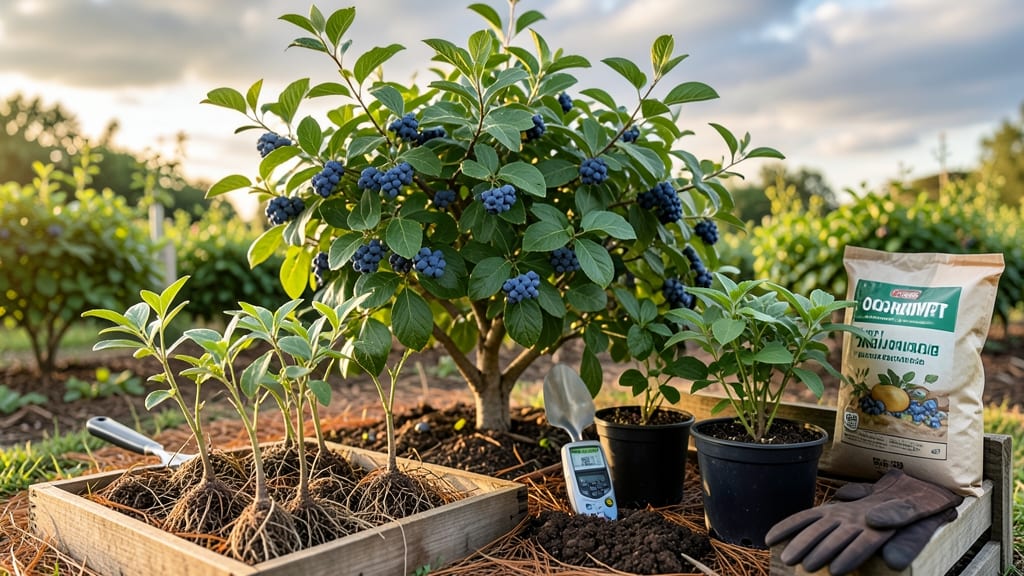
Timing your blueberry planting in Seattle could mean the difference between thriving bushes and frost-nipped failures—especially when those 🫐 bushes need 165 frost-free days to produce fruit. The right window isn’t just about months; it’s about avoiding early-season freezes while giving roots time to establish before summer heat arrives.
Seattle’s Zone 8a climate throws a curveball with its unpredictable spring weather, but there’s a sweet spot for planting: late fall through early spring for bare-root varieties, or after the last frost in April-May for potted plants.
I’ve tested both approaches, and the results—especially with cold-hardy varieties like ‘Duke’ or ‘Bluecrop’—speak for themselves.
What you’ll discover here are the exact deadlines for planting, how to prep your soil for Seattle’s alkaline conditions, and when to expect your first harvest between June and August. No more guessing whether your bushes will survive the Pacific Northwest’s chill.
Let’s cut to the chase: with the right timing and a few pro tips, you’ll be picking plump, juicy blueberries in just a few years—not just dreaming about them. Ready to plant with confidence?
Seattle’s frost-free window for blueberry planting: best months & temperature guidelines
Seattle’s cool, maritime climate creates unique challenges for blueberry growers. The city’s USDA Zone 8a means you have a 165-day frost-free window, but microclimates (like the warmer Eastside vs. cooler Westside) shift planting deadlines by weeks.
Understanding these variations ensures your blueberries establish strong roots before winter’s chill sets in.
Most gardeners focus on spring planting after the last frost, but fall planting (October-November) is ideal for bare-root blueberries. This gives roots time to settle before winter dormancy. The key is planting when soil temperatures stay above 40°F (4°C) for consistent growth.
Seattle’s average last frost date is March 15, but urban heat islands (like downtown) can push this back to April 1. Rural areas and the Westside often see frost lingering until April 15. Always check local frost maps or use a frost calendar for your specific neighborhood.
For spring planting, aim for April 15–May 15 when soil temperatures consistently stay above 50°F (10°C). This window aligns with Seattle’s rainy season ending, reducing waterlogged soil risks.
If you’re planting container-grown blueberries, wait until after the last frost—even if it’s late May—to avoid root shock from temperature swings.
Seattle’s Eastside (e.g., Bellevue, Kirkland) enjoys warmer microclimates, allowing earlier planting by 2–3 weeks compared to the Westside (e.g., Ballard, Magnolia). Test your soil’s temperature at 4 inches deep with a soil thermometer—this is the critical zone for root establishment.
Never plant when nighttime temps dip below 40°F (4°C), as young roots can suffer chilling injury. Use row covers or mulch heavily (6–8 inches of straw) to insulate roots if planting in late spring. This buffer helps if an unexpected frost hits after planting.
Pro tip: Acidify your soil (pH 4.5–5.5) before planting—Seattle’s native soil is often alkaline. Mix in peat moss or sulfur 4–6 weeks before planting to give microbes time to adjust. Blueberries won’t thrive in alkaline soil, no matter how perfect your timing is.
Monitor your local weather station for 10-day forecasts before planting. A stretch of warm, dry days (60°F+/15°C+) is ideal for transplant shock recovery. If rain is forecasted, plant earlier—waterlogged soil can suffocate young roots.
Once planted, mulch heavily with pine needles or wood chips to mimic the acidic forest floor blueberries prefer. This also helps regulate soil temperature, keeping roots 5–10°F warmer in winter and cooler in summer.
🌱
Best blueberry varieties for Seattle: planting deadlines by type (northern vs. southern Highbush)
Seattle’s cool maritime climate thrives with Northern Highbush varieties like ‘Duke’ and ‘Bluecrop’, which handle Zone 8a winters without issue. These cold-hardy bushes produce sweet berries reliably when planted at the right time—typically October through April for bare-root plants or April-May for container-grown varieties.
Southern Highbush types, like ‘Legacy’, are also excellent but need earlier spring planting (March-April) to avoid late frosts. Seattle’s alkaline soil (pH 6.5-7.5) requires acid-amending with peat moss or sulfur before planting—no matter the variety.
Let’s break down the best options and their planting deadlines for your Pacific Northwest garden.
For Northern Highbush varieties like ‘Duke’, I recommend planting bare-root bushes in late fall (October-November) when soil temps drop below 50°F. This gives roots time to establish before winter dormancy.
If you prefer container-grown plants, wait until after the last frost (typically mid-April) to avoid root shock from freezing.
Southern Highbush types, such as ‘Legacy’, are more sensitive to late frosts and should only be planted in containers during March-April. These varieties also benefit from row covers during spring blooms to protect flowers from unpredictable Seattle chills.
Always pair them with another self-pollinating variety if you want guaranteed fruit set.
Regardless of variety, acidic soil prep is non-negotiable in Seattle. Test your soil and amend with peat moss or sulfur to reach a pH of 4.5-5.5. After planting, apply a 2-inch layer of pine bark mulch to retain moisture and suppress weeds—critical during Seattle’s rainy summers.
With the right timing and care, your blueberries will thrive for decades.
Pro tip: Mark your planting dates on a garden calendar and set reminders for spring pruning (February-March) and fall fertilization (September-October). Consistency is key to avoiding bush decline in Seattle’s humid climate. 🌱