
Plants
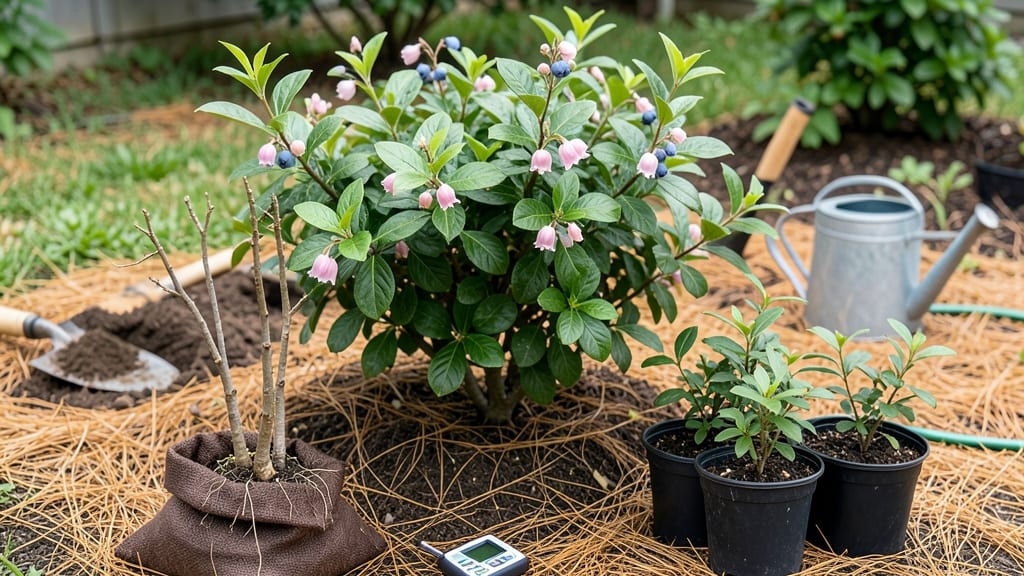
Planting blueberries in Mississippi might seem tricky with its warm climate, but getting the timing right can mean the difference between a thriving 🫐 bush and one that barely survives.
The key is knowing when to plant—whether it's the cooler months of late winter or the ideal early spring window before the heat sets in.
If you're wondering when to plant blueberries in Mississippi, the answer depends on your local frost dates and soil conditions. Most gardeners in zones 7b-9a find success planting between February and March, when the ground is workable but the risk of late frosts has passed.
This timing gives your bushes a head start before the summer heat arrives.
You’ll also want to choose varieties that match Mississippi’s climate, like low-chill types that don’t need as many cold hours to produce fruit. Once you’ve picked the right variety and prepped the soil, planting at the right time sets the stage for a bountiful harvest come May or June.
Let’s break down the best months, soil prep tips, and how to avoid common mistakes so your blueberry bushes get off to a strong start—and keep thriving all season long.
Best months to plant blueberries in Mississippi: climate zones & exact timing
Mississippi’s USDA zones 7b-8b offer perfect conditions for blueberries, but getting the planting timing right is critical. Unlike northern climates, Mississippi’s mild winters and hot summers demand precise scheduling to avoid heat stress or frost damage.
The best window for planting is late winter to early spring, when soil temperatures rise but extreme heat hasn’t arrived yet.
Most gardeners in Mississippi plant blueberries between February and March, aligning with the average last frost date of March 15. However, fall planting (October-November) is also viable in cooler northern Mississippi regions (Zone 7b), where winters are slightly more pronounced.
Southern areas (Zone 8b) should stick to spring planting to avoid winter dieback.
| Climate Zone | Best Planting Months | Soil Temp Requirement | Key Considerations |
|---|---|---|---|
| 7b (North MS) | February-March OR October-November | 45-60°F (7-15°C) | Cooler winters allow fall planting; mulch heavily for winter protection. |
| 8a (Central MS) | February-March | 50-65°F (10-18°C) | Spring planting only; avoid summer heat stress by establishing roots early. |
| 8b (South MS) | February-March | 55-70°F (13-21°C) | Mild winters; prioritize spring planting to prevent winter dieback. |
For spring planting, aim to get blueberries in the ground 4-6 weeks before your last frost date. In Mississippi, this typically means mid-February to early March. The goal is to establish roots before the summer heat arrives, which can stress young plants.
If planting in containers, you have slightly more flexibility—just ensure the pot has drainage holes and use a well-draining, acidic soil mix.
If you choose fall planting (only recommended for Zone 7b), plant 6-8 weeks before the first frost, usually around October 15-November 1. Fall-planted blueberries benefit from cool temperatures and winter rains, which encourage root growth before dormancy.
However, mulch heavily (4-6 inches) with pine straw or wood chips to protect roots from freeze-thaw cycles.
One common mistake Mississippi gardeners make is planting too late in spring. If you miss the February-March window, wait until fall (October)—but only in northern Mississippi. Planting in summer (June-August) is risky because high temperatures and humidity can cause transplant shock.
Young blueberries need time to establish roots before facing Mississippi’s intense summer heat.
Another critical factor is soil temperature. Blueberries thrive when soil temps reach 45-60°F (7-15°C). Use a soil thermometer to check before planting. If soil is too cold (<45°F), roots won’t establish properly, leading to poor growth or winter dieback.
In southern Mississippi (Zone 8b), soil may warm too quickly—plant early to avoid this issue.
For container-grown blueberries, timing is slightly more flexible, but still follow the same soil temperature guidelines. Containers warm up faster than in-ground soil, so you may need to delay planting until soil reaches 50°F (10°C).
Use a 5-gallon minimum pot and place containers in a protected location (like a patio or under a shade cloth) during the hottest afternoons.
After planting, water deeply to settle the soil and remove air pockets. Keep the soil consistently moist (not soggy) for the first 4-6 weeks, which is crucial for root establishment. In Mississippi’s humid climate, avoid overhead watering to prevent fungal diseases like botrytis blight.
Instead, use drip irrigation or soaker hoses to deliver water at the base of the plant.
Finally, remember that blueberries need acidic soil (pH 4.5-5.5). Test your soil before planting and amend with peat moss, pine bark, or sulfur if needed. In Mississippi’s clay-heavy soils, improving drainage is also key—consider raised beds if your soil is compacted.
With the right timing and soil prep, your blueberries will thrive and produce bountiful harvests for years.
Top Mississippi-friendly blueberry varieties by chill hours: southern low-chill picks
Mississippi’s warm winters mean traditional northern blueberry varieties often fail to thrive—but don’t worry! Low-chill varieties (0-300 hours) produce bountiful harvests here. These Southern Highbush and Rabbiteye types were bred to handle our mild winters while delivering sweet, juicy berries from late spring to summer.
Choosing the right variety depends on your chill hours (hours below 45°F) and whether you prefer large, sweet berries or disease-resistant plants. Mississippi’s USDA Zones 7b-9a average just 200-400 chill hours, so we’ve focused on varieties that consistently perform in our heat and humidity.
'Climax' is the gold standard for Mississippi gardens, producing large, firm berries with excellent flavor. This Southern Highbush variety requires just 200-300 chill hours and thrives in our heat. Gardeners in Jackson and Hattiesburg report consistent 12-pound yields per mature bush, making it a favorite for home orchards.
'Premier' is another top pick, offering early ripening (May harvest) and disease resistance to blueberry scorch and mummy berry. With 150-250 chill hours, it’s ideal for Zone 8a-9a areas like Gulfport and Biloxi. Its berries are slightly smaller but pack intense sweetness, perfect for fresh eating or jams.
'Tifblue' (a Rabbiteye variety) is a drought-tolerant choice for sandy soils common in south Mississippi. It requires only 100-200 chill hours and produces dark, flavorful berries that resist cracking in humidity. Local growers in Stone County praise its low-maintenance nature and 6-pound yields.
For container gardening, 'Peach Sorbet' is a compact, low-chill option (150-200 hours) with bright pink berries that ripen to deep blue. Its 3-foot height makes it perfect for patios and balconies in urban Mississippi gardens. Just ensure your pot has drainage holes and use acidic potting mix.
Pro tip: Pair these varieties with pollinizer bushes like 'Centurion' (for 'Climax') to boost fruit set. And remember—prune in late winter to encourage airflow and sunlight penetration, which is critical in Mississippi’s humid summers. 🌱