
Plants
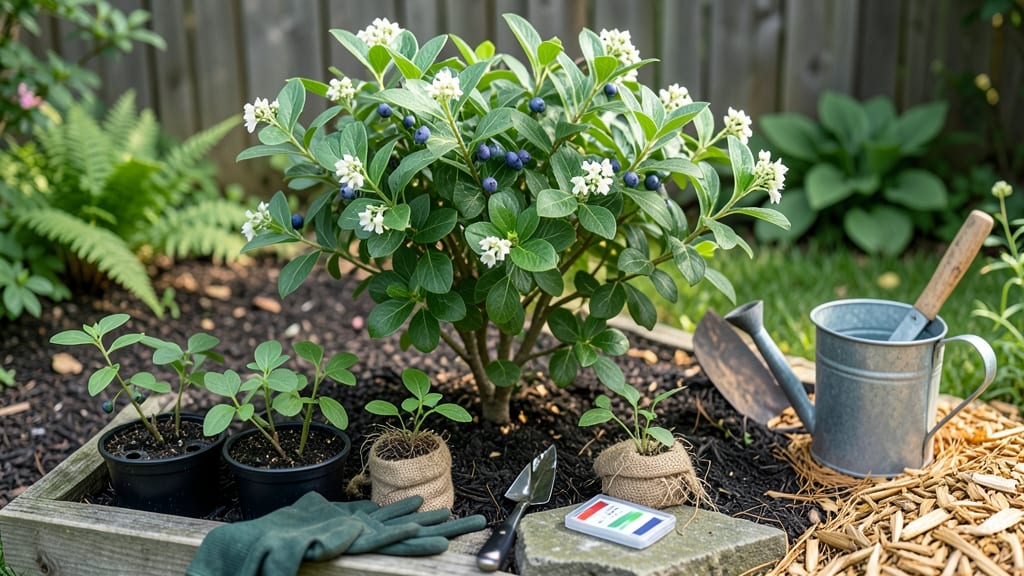
Planting blueberries at the wrong time in Massachusetts can leave your 🫐 bushes struggling—maybe even dying—before they ever produce fruit.
The key is knowing exactly when to get them in the ground, whether you're in colder zone 5b or milder 6b, because late frosts and early freezes are real threats here.
Most gardeners in Massachusetts swear by fall planting, but spring works too—if you time it right. I’ll break down the best frost-free windows for both seasons, including how to adjust for coastal vs. inland microclimates where temperatures can shift dramatically in just a few miles.
You’ll also discover why September through October is the safest bet for most varieties, plus how to prep your soil for acidic-loving blueberries so your bushes thrive from day one. Let’s get those roots established the right way.
Whether you’re planting bare-root saplings or container-grown bushes, these zone-specific tips will help you avoid common mistakes and set your blueberries up for a bountiful harvest by next summer.
Massachusetts blueberry planting dates by hardiness zone (5-7)
Massachusetts spans USDA hardiness zones 5-7, creating distinct planting windows for blueberries. In zone 5, late frosts linger until mid-May, while zone 7 offers a longer frost-free window starting as early as late April.
Understanding these variations helps you avoid frost damage and maximize root establishment before summer heat arrives.
Blueberries thrive when planted during their dormant season, either in early spring (bare-root) or fall (container-grown).
Spring planting gives roots time to establish before summer, while fall planting allows roots to grow before winter dormancy. Container-grown blueberries offer more flexibility since they're not dormant, letting you plant up to 6 weeks before first frost.
Your local microclimate matters too. Coastal areas in zone 6b-7a (like Cape Cod) warm up faster than inland zone 5b (Worcester or Springfield). Elevation also plays a role—higher areas (like the Berkshires) experience earlier frosts than valley regions.
Always check your last frost date using the Old Farmer's Almanac or local Cooperative Extension Service.
For bare-root blueberries, plant as soon as the soil is workable in spring (April-May) or up to 6 weeks before first frost in fall (September-October). Container-grown plants can go in anytime the ground isn't frozen, but spring planting is ideal for zones 5-6 to avoid winter stress.
In zone 5b, where late frosts are common, I recommend planting bare-root blueberries in early May after the risk of frost has passed. For container-grown plants, late April works if you're in a sheltered microclimate.
Always monitor your local weather forecasts for frost warnings—blueberry buds are especially vulnerable to late spring frosts.
For zone 6a, you have more flexibility. Plant bare-root blueberries in mid-April if the soil is workable, or wait until mid-May for container plants. Fall planting in late September gives roots time to establish before winter, but avoid planting after October 1st to prevent winter kill.
If you're in zone 7a (like Cape Cod), you can plant as early as late March for container-grown blueberries. Bare-root plants should go in by early April. The extended growing season here also allows for fall planting until November, but prioritize planting before mid-October for best results.
Pro tip: Use mulch heavily after planting to protect roots from temperature swings. In zone 5b, apply 6 inches of straw mulch in fall to insulate roots.
In zone 7a, focus on keeping soil moist during summer's heat. Always water deeply after planting to encourage root growth into the surrounding soil.
Remember that container-grown blueberries can be planted anytime the ground isn't frozen, giving you more flexibility. If you miss the ideal window, don't stress—just water thoroughly and protect young plants from extreme temperatures until they establish.
With the right timing, your blueberry bushes will reward you with years of delicious harvests!
How to adjust planting for early vs. late spring in Massachusetts
Massachusetts’ unpredictable spring weather can turn your blueberry planting plans upside down. In USDA zones 5-7, late frosts often strike after the ideal planting window closes.
If you’re in zone 5, you might face frost risks until mid-May, while zone 7 areas can push planting into early June. The key is flexibility—knowing how to adjust your timeline based on your specific zone and microclimate.
For early spring plantings (March-April), focus on bare-root blueberries in zones 6-7. These can handle cooler soils and establish roots before summer heat arrives. In zone 5, however, early planting is riskier due to lingering frost threats.
Container-grown blueberries offer more flexibility—they can be planted 2-3 weeks later than bare-root varieties since their root systems are already established.
⚠️ WARNING: Late Frost Risks in Massachusetts ⚠️ If you’re in zone 5 or a high-elevation area (like the Berkshires), wait until after May 15 to plant. Coastal areas (e.g., Cape Cod) in zone 7 can often plant by April 15 with minimal risk.
Use the Massachusetts Agricultural Extension Service’s frost date maps to track local trends. For container plantings, extend your window by 10-14 days—they tolerate cooler soils better than bare-root bushes. Never plant after June 1; blueberries need 6-8 weeks of root establishment before winter dormancy begins.
In transitional zones (6a-6b), like Worcester or Springfield, aim for late April to early May. These areas experience highly variable frost dates, so monitor local weather forecasts and use frost cloth if planting early.
For zone 7 (e.g., Boston, Providence), you can push planting to early June—just ensure the soil stays above 50°F (10°C) for root growth. Container-grown bushes in this zone can even handle July plantings if given extra care.
To extend your planting window, consider these three strategies:
- Use frost cloth for 2-3 weeks post-planting in zones 5-6 to protect young shoots.
- Choose container-grown blueberries—they adapt better to warmer, drier soils and can be planted 2 weeks later than bare-root.
- Plant in raised beds with black plastic mulch to warm the soil faster, giving you a 10-day head start in spring.
If you miss the spring window, fall planting (September-October) is your next best option. Blueberries planted in fall have time to establish roots before winter, resulting in faster fruiting the following year. In zone 5, aim for late September—soil should still be above 50°F (10°C).
Zones 6-7 can plant until mid-October, but avoid planting if frost is forecast within 2 weeks. Always water deeply after planting to reduce transplant shock.
Pro tip: Test your soil pH before planting—blueberries thrive in acidic soil (pH 4.5-5.5). If your soil is too alkaline, amend it with peat moss or sulfur 4-6 weeks before planting. This adjustment takes time, so don’t rush it.
For container plantings, use a pre-mixed acidic potting soil to skip this step entirely. With the right adjustments, you can turn Massachusetts’ tricky spring into your blueberry bush’s best start!