
Plants
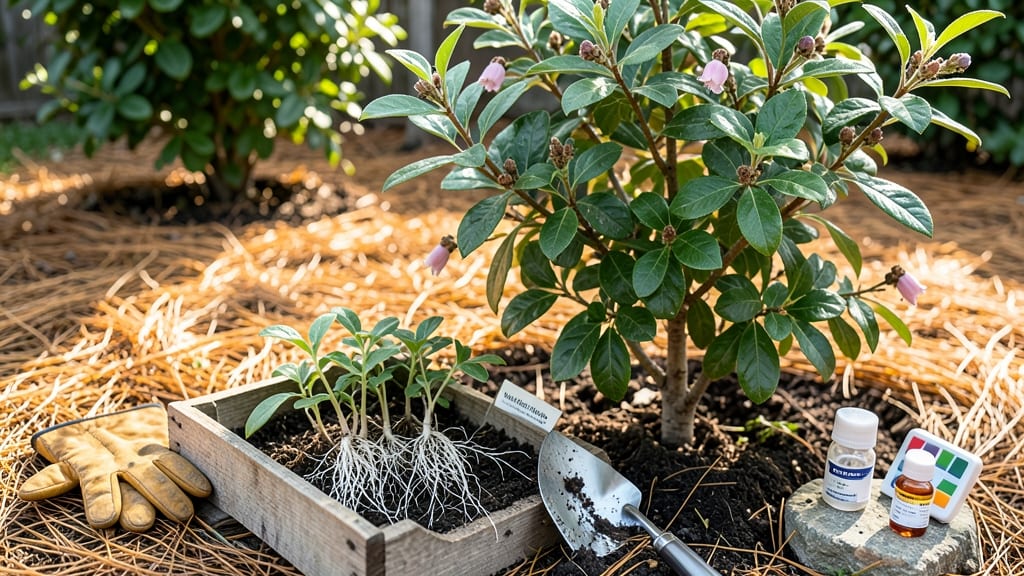
Planting blueberries in Kentucky at the right time means the difference between a thriving 🫐 bush and one that struggles to survive the state’s unique climate.
If you’ve ever wondered why some gardeners swear by late winter planting while others insist on spring, the answer lies in Kentucky’s 6a-7a zones and the chill hours your bushes need to thrive.
Here’s the truth: timing isn’t just about the calendar—it’s about matching your blueberry variety to Kentucky’s cold winters and humid summers. Plant too early, and your bushes might not get enough cold exposure; too late, and they’ll face heat stress before establishing roots.
I’ll break down the best months for planting, which varieties work best in your zone, and how to avoid common mistakes that ruin even the most promising starts.
Whether you’re a first-time gardener or a seasoned grower, getting this right ensures your bushes grow strong, produce juicy berries, and last for years. Let’s dive into the science-backed secrets that’ll help you plant with confidence—and harvest like a pro.
Ready to transform your backyard into a blueberry paradise? The key starts with knowing exactly when to dig in. Here’s how to do it right in Kentucky’s climate.
Best planting months in Kentucky by blueberry variety and chill hours
Kentucky’s USDA zones 6-8 offer perfect conditions for blueberries, but chill hours and planting timing make all the difference. Most varieties need 500-1,000 chill hours—Kentucky’s winters deliver, but planting too late risks insufficient dormancy.
The two best windows are fall (October-November) and early spring (March-April), each with unique advantages.
Fall planting lets roots establish before winter, while spring planting avoids heat stress. Southern Kentucky’s warmer microclimates (Zone 7-8) favor early-season varieties, whereas northern Kentucky’s colder zones (6a-6b) thrive with mid-to-late-season types. Always match your variety to local chill hours—Kentucky’s range from 600-1,000 hours annually.
🌱 Comparison Table: Kentucky Blueberry Planting by Variety & Chill Hours
| Variety | Chill Hours | Best Planting Month | USDA Zone Fit | Notes |
|---|---|---|---|---|
| Duke | 600-800 | October-November | 6a-7a | Early-season, heat-tolerant |
| Tifblue | 700-900 | March-April | 7a-8a | Mid-season, drought-resistant |
| Premier | 800-1,000 | October-November | 6a-7b | Late-season, large berries |
| Brigitta | 500-700 | March-April | 7a-8a | Early, compact bushes |
| Chippewa | 900-1,100 | October-November | 6a-6b | Late-season, cold-hardy |
For fall planting (October-November), aim to get roots established before first frost (Nov 15). Bare-root plants thrive in cool soil, and Kentucky’s mild autumns reduce transplant shock.
Water deeply after planting to encourage root growth before dormancy. Spring planting (March-April) works best in Zone 7-8 areas where winters are less harsh.
Kentucky’s humid climate means spring planting must avoid late frosts (March 15). If planting in containers, use acidic potting mix (pH 4.5-5.5) and move pots to protect from unexpected cold snaps. Urban gardeners in Louisville or Lexington should opt for earlier varieties (Duke, Brigitta) due to heat buildup.
Northern Kentucky’s colder microclimates (e.g., Paducah, Owensboro) should prioritize late-season varieties (Premier, Chippewa) that handle higher chill hours. Test your soil’s pH level—Kentucky’s native soils often run alkaline (pH 6.5+), which blueberries hate. Amend with sulfur or peat moss to reach the ideal acidic range (4.5-5.5).
Pro tip: Mulch heavily after planting with pine straw or wood chips to maintain soil acidity and moisture. In Zone 6a areas, consider row covers for early spring plantings to shield from late frosts. Always plant in well-draining soil—Kentucky’s clay-heavy soils need amendments like compost or sand.
If you miss fall or spring, bare-root plants can sometimes be planted in early winter (December), but success depends on soil temperature staying above 40°F. Avoid
How to match Kentucky’s climate to blueberry varieties for maximum yield
Kentucky’s USDA zones 6-8 offer perfect conditions for blueberries, but selecting the right variety based on chill hours is key. Most Kentucky regions need 500-1,000 chill hours, but urban areas often get fewer due to heat islands. Let’s match your microclimate to the best blueberry varieties for maximum yield.
For urban gardens (warmer microclimates), choose varieties like 'Duke' or 'Tifblue'—they thrive with 400-600 chill hours. In rural areas, 'Premier' or 'Bluecrop' (700+ chill hours) perform best. Planting timing shifts slightly: urban areas should plant 1-2 weeks later than rural zones to avoid early heat stress.
| Variety | Chill Hours | Best Planting Month | Mature Size | Harvest Time |
|---|---|---|---|---|
| Duke | 400-600 | Late March-April | 4-6 ft tall | Early June |
| Tifblue | 500-700 | February-March | 5-7 ft tall | Mid-June |
| Premier | 700-900 | Late February-March | 6-8 ft tall | Late June |
| Bluecrop | 800-1,000 | February-March | 5-6 ft tall | July |
| Chandler | 600-800 | March-April | 6-8 ft tall | Late June |
If you’re in Northern Kentucky (more chill hours), prioritize 'Bluecrop' or 'Premier'. Southern regions should opt for 'Duke' or 'Tifblue' to avoid winter dieback. For container growing, dwarf varieties like 'Top Hat' (400+ chill hours) work well in urban balconies.
Adjust planting dates based on your last frost date. In Lexington, aim for March 15-April 15; in Bowling Green, shift to February 28-March 31. Use mulch to protect roots from early spring warmth, which can trick bushes into blooming too soon.
For maximum yield, pair varieties with complementary pollination windows. Plant 'Duke' (early season) with 'Bluecrop' (late season) to extend harvest time. Test your soil’s acidity (pH 4.5-5.5) before planting—Kentucky’s clay soils often need sulfur amendments.
Once planted, monitor chill hours using a local weather station. If winters are milder than average, consider low-chill varieties like 'Peach Sorbet' (200+ chill hours) for insurance. With the right match, your Kentucky blueberries will thrive year after year! 🌱