
Plants
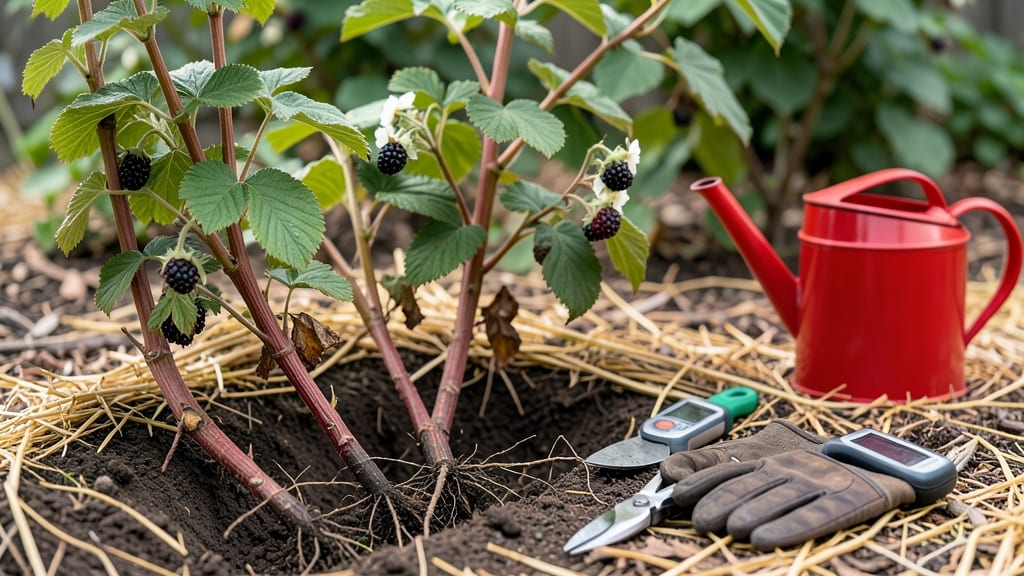
Planting blackberries in Tennessee at the wrong time could mean the difference between a bountiful harvest of juicy 🫐 berries and struggling with weak canes or no fruit at all. The key isn’t just picking a season—it’s matching your variety to Tennessee’s chill-hour zones (6a-7b) and avoiding frost-sensitive periods.
Most gardeners in Tennessee plant blackberries in late winter to early spring (February-April) or fall (September-October), but not all varieties thrive on the same schedule. For example, thornless types like Chester need cooler fall planting, while hardier varieties like Ouachita can handle early spring’s warmer soil.
Why does timing matter so much? Blackberries need chill hours (400–1,000, depending on the variety) to set buds properly. Plant too early, and frost can damage new growth; too late, and canes won’t establish roots before winter.
I’ll break down the exact windows for your region and how to prep soil for Tennessee’s clay-heavy conditions.
Skip the guesswork—learn how to align planting with Tennessee’s microclimates, from the humid Southeast to the cooler Appalachians, so your blackberries thrive from the first year. Let’s get those canes in the ground the right way.
Best planting times for blackberries in Tennessee by chill-hour requirements
Tennessee’s climate varies dramatically from the humid Southeast to the cooler Appalachian foothills, making chill-hour requirements critical for blackberry success.
Most varieties need 400-1000 chill hours to produce fruit reliably, and planting at the wrong time can lead to poor yields or winter damage. East Tennessee’s higher elevations often see 800-1000 chill hours, while West Tennessee’s flatter regions typically get 500-700 hours.
Matching your variety to your microclimate ensures strong fruit set and vigorous growth.
For spring planting, aim for late February to early April before buds break. This gives roots time to establish before summer heat arrives. Fall planting (September-October) is ideal for most regions, allowing roots to anchor before winter dormancy.
However, avoid planting in late fall when frost threatens young plants. Prime-Ark Freedom (600-800 hours) thrives in West Tennessee, while Navaho (800-1000 hours) suits East Tennessee’s colder winters.
Here’s how Tennessee’s microclimates influence planting windows:
| Variety | Chill-Hour Range | Best Planting Time | Ideal Tennessee Region |
|---|---|---|---|
| Prime-Ark Freedom | 600-800 hours | Spring (March) or Fall (September) | West & Middle TN |
| Navaho | 800-1000 hours | Fall (September-October) | East TN (higher elevations) |
| Ouachitambre | 500-700 hours | Spring (February-March) | West & Central TN |
| Arapaho | 700-900 hours | Fall (September) | Middle & East TN |
| Chester Thornless | 500-600 hours | Spring (March-April) | West & Central TN |
If you’re in West Tennessee, where chill hours are lower, prioritize spring planting for varieties like Ouachitambre or Chester Thornless. These types need fewer chill hours and can handle the region’s warmer winters.
In contrast, East Tennessee’s cooler climate favors fall planting for high-chill varieties like Navaho or Arapaho, which require 800+ chill hours to produce fruit reliably.
Timing isn’t just about the season—it’s also about soil temperature. Blackberry roots need soil temps above 50°F (10°C) to establish properly. In Tennessee, this typically means waiting until mid-March for spring planting or mid-September for fall planting.
Use a soil thermometer to confirm—planting too early in cold soil can stunt root growth and leave plants vulnerable to disease.
For container-grown blackberries, adjust your timing slightly. Containers warm up faster in spring, so you can plant 2-3 weeks earlier than in-ground plants.
However, containers also dry out quicker, so ensure they’re in a protected location if frost is forecasted. Mulch heavily (4-6 inches) to regulate soil temperature and retain moisture, especially in Tennessee’s humid summers.
One common mistake is planting bare-root blackberries too late in fall. If you miss the September-October window, wait until early spring (February) to avoid winter dieback. Always water deeply after planting and keep the soil moist for the first 4-6 weeks to encourage root establishment.
In Tennessee’s clay-heavy soils, amending with compost or sand improves drainage and prevents root rot.
Pro tip: Use row covers in early spring if frost threatens. This extends your planting window by 2-3 weeks and protects young canes from late-season frosts. For thornless varieties, like Prime-Ark Freedom, this is especially helpful—you’ll avoid prickly handling while the plants establish.
Pair this with drip irrigation to maintain consistent moisture without wetting the foliage, reducing fungal risks like anthracnose, which thrives in Tennessee’s humidity.
Remember, blackberries are perennial, so getting the timing right now means years of harvests with minimal effort. Once established, they’ll produce 2-3 crops per year in Tennessee’s climate.
Start with the right variety for your chill hours, plant at the optimal time, and you’ll be enjoying juicy, homegrown blackberries for decades.
How to prepare blackberry planting sites in Tennessee for maximum success
Tennessee’s clay-heavy soils and humid summers create unique challenges for growing blackberries. The key to success lies in preparing your planting site to ensure proper drainage, soil fertility, and disease resistance.
Start by selecting a location with at least 6-8 hours of sunlight daily, as blackberries thrive in full sun. Avoid low-lying areas where water pools after rain, as soggy soil invites root rot and fungal diseases like botrytis.
Before planting, test your soil’s pH level—blackberries prefer a range of 5.5 to 6.5.
Tennessee’s native soils often lean toward alkaline, so you may need to amend with sulfur or peat moss to lower the pH. Mix in 2-3 inches of compost or well-rotted manure to improve soil structure and provide essential nutrients.
This step is critical for breaking up clay and promoting root growth.
⚠️ callout warning
⚠️ Avoid Planting Too Early in Tennessee
Planting blackberries in late winter (February-March) risks frost damage, while fall planting (after September 15) gives roots time to establish before winter. Never plant in summer—high humidity and heat stress young canes. Tennessee’s last frost date varies by region (March 15 in most areas), so time your planting to avoid cold snaps.
🌱 Pro Tip: Use black plastic mulch in early spring to warm the soil and protect young plants from late frosts.
To combat Tennessee’s high humidity, create a raised bed or mounded row if your soil drains poorly. Elevate the planting area by 12-18 inches and shape it into a gentle slope to encourage water runoff.
Install a drip irrigation system to keep foliage dry, reducing the risk of fungal spores. Space canes 3-4 feet apart in rows 8-10 feet wide to allow airflow and easy maintenance.
After planting, apply a 3-inch layer of mulch around the base of the canes, using straw or pine needles. This helps retain moisture, suppress weeds, and regulate soil temperature. Avoid organic mulches like wood chips, which can harbor voles—a common pest in Tennessee gardens.
Instead, opt for gravel or landscape fabric if rodents are a concern in your area.
One of the biggest mistakes Tennessee gardeners make is over-fertilizing with nitrogen. While blackberries need nutrients, too much early in the season promotes leafy growth at the expense of fruit.
Use a balanced fertilizer (10-10-10) sparingly—apply 1 cup per plant in early spring and again after harvest. Pair this with a slow-release organic fertilizer to avoid nutrient spikes that attract pests.
Finally, consider installing a trellis or wire support system to train blackberry canes upward. This improves air circulation, reduces disease pressure, and makes harvesting easier. In Tennessee’s USDA Zones 6a-7b, protect young plants from late spring frosts with frost cloth if temperatures dip below 28°F.
With the right site prep, your blackberries will thrive and reward you with bountiful harvests for years.