
Plants
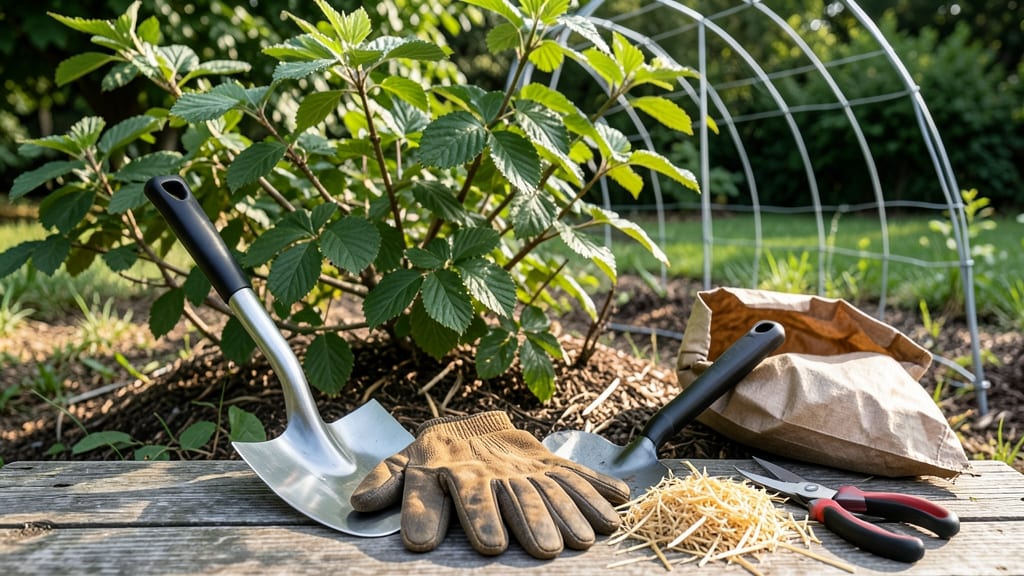
Planting blackberries in Alabama at the wrong time can mean the difference between lush, fruit-bearing canes and struggling plants that barely survive. With your state's 7b-8a climate, timing isn't just important—it's the foundation for a thriving 🫐 blackberry patch that produces year after year.
Most gardeners assume spring is the only option, but Alabama's mild winters actually make fall planting the smarter choice for many varieties. The key lies in understanding your specific heat zone's frost patterns and soil temperatures—something I'll break down so you can avoid common mistakes that waste time and money.
Whether you're working with bare-root canes or potted plants, I'll show you exactly when to plant in Alabama's two optimal windows—February-March for spring planting or September-October for fall—and how to prepare your soil for maximum success.
Ready to grow blackberries that flourish from their first season? Let's dive into the exact planting schedule that works for your Alabama garden, including variety recommendations and microclimate tips that make all the difference.
Best planting months for Alabama blackberries by heat Zone (7a-8b)
Alabama’s USDA heat zones 7a-8b create ideal conditions for blackberries, but the perfect planting window depends on your zone and whether you’re growing primocane or floricane varieties. In Zone 7a, cooler winters mean earlier spring planting, while Zone 8b gardeners can extend fall planting into November.
The key is planting when soil temps reach 50-60°F and frost risks are minimal.
For Zone 7a, focus on late February to early April for spring planting, while Zone 8b gardeners can start as early as mid-January or push fall planting to late November. Fall planting is often preferred because it allows canes to establish roots before summer heat stress.
Always check your local last frost date—most of Alabama’s Zone 7a areas see frost until mid-March, while Zone 8b areas are typically frost-free by mid-February.
Here’s your zone-specific planting timeline with ideal soil conditions and variety recommendations:
If you’re planting bare-root canes, do it as soon as possible after purchase—they dry out quickly. For potted plants, you have slightly more flexibility but still aim for the soil temperature thresholds above.
In Zone 7a, early spring planting (February) gives canes time to establish before summer heat, while fall planting (September-October) avoids summer stress. In Zone 8b, you can push fall planting later due to milder winters.
Always test your soil pH (ideal: 5.5-6.5) and amend with compost or sulfur if needed. Primocane varieties (like 'Prime-Ark Freedom') produce fruit on new canes, while floricane varieties (like 'Natchez') fruit on second-year canes.
Choose based on your harvest goals—primocanes give summer and fall fruit, while floricanes focus on summer harvests.
For microclimate adjustments, note that urban areas often stay warmer than rural zones, allowing slightly earlier spring planting. If your area has late spring frosts (common in Zone 7a), use row covers or plant near a south-facing fence to create a warmer microclimate.
In Zone 8b, avoid planting too late in fall—canes need 6-8 weeks to establish roots before winter.
Water newly planted canes deeply 2-3 times per week for the first month, then taper to once weekly once established. Mulch with straw or wood chips to retain moisture and regulate soil temps.
In Zone 8b, winter watering may be needed if rainfall is scarce during dormancy. Always space canes 3-4 feet apart for airflow, which reduces disease risks like botrytis.
Pro tip: Prune canes to 12 inches at planting to encourage root growth. In Zone 7a, protect young canes with row covers until late April to avoid frost damage.
For Zone 8b, focus on summer pruning to manage vigor and improve fruit quality. With the right timing, your blackberries can produce abundant fruit within 1-2 years!
🌱
Critical factors that determine Alabama blackberry planting success
Planting blackberries in Alabama isn't just about picking a month—it's about creating the perfect conditions for cane vigor and fruit production. While late winter (February-March) and fall (September-October) are ideal windows, success hinges on soil preparation, moisture control, and understanding your local frost dates.
Even a slight misstep in these factors can lead to weak canes or delayed fruiting.
Alabama's USDA zones 7b-8a offer a long growing season, but microclimates vary dramatically between counties. For example, Mobile County has later frost dates than Madison County, meaning planting timelines should shift accordingly.
Always check your last average frost date—typically mid-March in most regions—to avoid exposing tender new growth to cold snaps.
Here’s what truly makes the difference between thriving blackberries and struggling canes:
-
1Soil pH (5.5-6.5): Blackberries thrive in slightly acidic soil. Test your soil—if it’s too alkaline (pH 7+), amend with sulfur or peat moss before planting. Well-draining soil is non-negotiable; waterlogged roots lead to root rot.
-
2Moisture Needs: Consistent moisture is key, especially during root establishment. Water deeply 2-3 times per week after planting, keeping soil 2-3 inches moist. Mulch with straw or wood chips to retain moisture and suppress weeds.
-
3Frost Dates by County: Plant 4-6 weeks before your last average frost. For example, Birmingham (Zone 7b) typically plants by March 1, while Dothan (Zone 8a) can plant as late as March 15. Use a frost calendar to guide timing.
-
4 Site Preparation: Clear the area of weeds and grasses, then till the soil to a depth of 12 inches. Mix in compost or aged manure to improve fertility. Blackberries need full sun (6+ hours daily), so avoid shaded spots.5Cane Spacing: Space canes 3-4 feet apart in rows 6-8 feet apart for proper air circulation. This reduces fungal diseases like anthracnose. Use trellises or wires to support canes as they grow.
Before planting, run through this quick site assessment checklist to ensure your blackberries have the best start: test soil pH, check drainage by digging a hole and filling it with water (if it doesn’t drain in 6 hours, amend the soil), and confirm your location gets full sun.
Skipping these steps often leads to poor root growth and reduced fruiting in the first year.
Remember, Alabama’s climate rewards proactive planning. By focusing on these critical factors, you’ll give your blackberries the foundation they need to produce abundant, flavorful fruit for years to come. The extra effort now pays off with healthier canes and bigger harvests—worth every minute! 🌱