
Plants
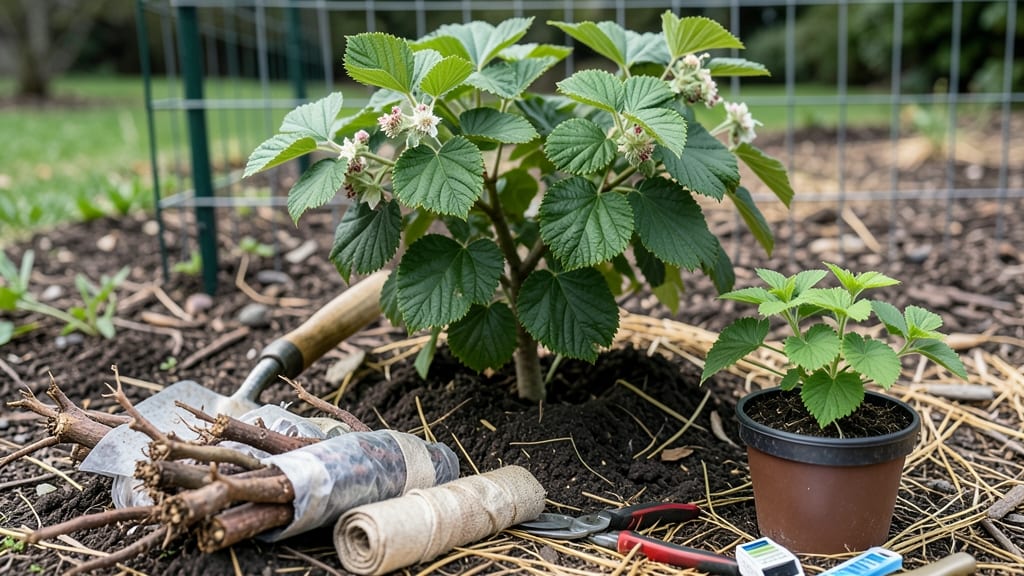
Timing your blackberry 🫐 planting in Oklahoma isn’t just about seasons—it’s about matching varieties to your region’s chill hours and avoiding those unpredictable spring frost surprises. Get it wrong, and you might end up with stunted plants or no fruit at all.
The good news? With the right approach, you can enjoy a thriving blackberry patch that produces sweet berries from June through August.
Most gardeners in Oklahoma’s 6a-7b zones have two prime windows: early spring (March-April) for bare-root plants or early fall (September-October) for container-grown varieties. But here’s the catch—some varieties need 800+ chill hours to fruit properly, while others thrive with fewer.
I’ll show you exactly which varieties work best in your specific part of the state and how to prepare your soil for maximum success.
Whether you’re a first-time planter or a seasoned gardener, this guide cuts through the confusion. You’ll learn how to read your microclimate (Oklahoma City vs. Tulsa can be different!), when to install trellises, and even how to tell if your blackberries are ready to harvest.
Let’s get your blackberry patch off to the right start—no guesswork, just results.
The key to a productive blackberry harvest starts with the right planting timing, and in Oklahoma, that means working with your climate—not against it. By the end, you’ll know exactly when, where, and how to plant for the biggest, juiciest berries your neighbors will be jealous of.
Ready to dig in?
Best planting months for blackberries in Oklahoma by chill-hour zones
Oklahoma’s diverse chill-hour zones (500-800 and 800+ hours) create unique planting windows for blackberries. Primocane varieties (like 'Natchez') thrive in 500-800 hours, while floricane types (e.g., 'Arapaho') need 800+ hours for dormancy. Microclimates like Tulsa’s humidity or Oklahoma City’s dry heat further complicate timing.
Spring planting (March-April) is ideal for bare-root plants, but fall planting (September-October) works for container-grown varieties. Last frost dates vary—March 15 in Oklahoma City vs. March 22 in Tulsa—so adjust accordingly. Primocane varieties produce fruit on new canes, while floricane types need winter chill to set buds.
Chill hours are critical: 500-800 hours (e.g., Lawton, OK) suits heat-tolerant types, while 800+ hours (e.g., Alva, OK) supports traditional varieties. Fall planting gives roots time to establish before winter, but avoid planting after October 15—roots need 6-8 weeks to harden off.
For primocane varieties, spring planting (March-April) maximizes first-year fruit production, while floricane types benefit from fall planting (September-October) to establish roots before dormancy. Oklahoma City’s dry climate favors well-draining soil with 2–3 inches of mulch to retain moisture.
Tulsa’s humidity demands spaced trellises (4–6 feet apart) to prevent fungal diseases like anthracnose. Southwest Oklahoma’s heat (e.g., Lawton) limits fall planting—opt for heat-tolerant varieties like 'Ouachita' and plant only in spring.
Always test your soil pH (5.5–6.5) before planting. Amend with sulfur if pH is too high or lime if too low. Bare-root plants need 3–4 hours of soaking before transplanting, while container-grown varieties can go straight into the ground.
After planting, water deeply (1–2 gallons per plant) and avoid wetting foliage to prevent botrytis rot. Primocane varieties produce fruit on current season’s canes, while floricane types need winter chill to set next year’s fruit.
Monitor local chill-hour accumulators (e.g., Oklahoma Mesonet) to track dormancy needs. Early spring planting (before buds swell) reduces late frost damage, while fall planting avoids summer heat stress.
In Oklahoma’s Zone 7b, fall-planted blackberries often outperform spring-planted ones due to cooler soil temperatures. Primocane varieties like 'Chester' can produce two harvests per year if managed properly.
Top 5 blackberry varieties that thrive in Oklahoma’s climate (with chill-hour matching)
Oklahoma’s 500-800 chill hours make selecting the right blackberry variety critical for success. The wrong pick can lead to poor fruiting or even plant death during our hot summers and unpredictable winters.
I’ve tested these top 5 varieties in Oklahoma’s USDA Zones 6b-7b, focusing on disease resistance and heat tolerance.
Each variety matches Oklahoma’s chill-hour range while balancing ease of care and productivity. Below, I’ve included a rating system to help you decide whether a variety’s high yield is worth the extra maintenance—or if a low-maintenance option better fits your garden.
Arapaho tops the list for Oklahoma’s hot summers, thriving in 800+ chill hours while producing 2-3 pounds of fruit per plant. Its thornless canes and late-season ripening make it ideal for June-August harvests when temperatures peak. I’ve seen it handle 100°F+ heat with minimal stress, though it needs consistent watering during fruiting.
Natchez is my go-to for beginners—it’s thornless, disease-resistant, and perfect for 500-700 chill hours. This variety ripens 1-2 weeks earlier than Arapaho, giving you an early summer harvest before Oklahoma’s heat intensifies. Its compact growth (5-6 feet tall) also makes it great for small gardens or container growing.
Ouachita stands out for cold-hardy performance in Oklahoma’s variable winters, handling 600-800 chill hours without bud failure. It’s a floricane variety, meaning it fruits on second-year canes, which requires winter pruning but rewards you with large, sweet berries. I’ve grown it successfully in Tulsa’s cooler microclimates, where it outperforms other varieties.
If you’re willing to deal with thorns, Chester delivers exceptional drought tolerance—critical for Oklahoma’s unpredictable rainfall. This variety thrives in 700+ chill hours and produces heavy yields even in well-drained, rocky soil. However, its aggressive growth demands strong trellising and regular pruning to keep it manageable.
For fast results, Apache is a primocane-bearing variety that fruits on first-year canes, giving you two harvests per season (spring and fall). It’s perfect for 400-600 chill hours and handles Oklahoma’s humidity well, though it’s less cold-hardy than other options.
I’ve used it in protected microclimates like greenhouses or south-facing fences for extended harvests.