
Plants
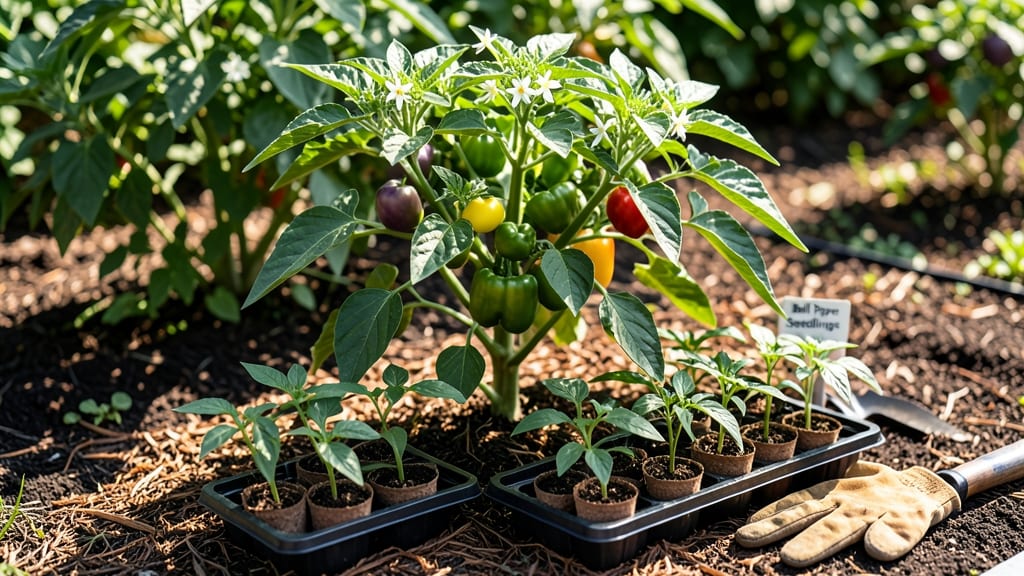
Planting bell peppers 🌶️ in Tennessee isn't just about grabbing seeds and sticking them in the ground—it's about nailing the soil temperature and frost-free window to avoid losing your entire crop before harvest.
If you've ever watched your pepper seedlings wilt after a surprise frost or struggled with stunted growth, you know timing is everything.
Tennessee's USDA zones 6a-7b mean your last frost can vary from early March in the West to late March in the East, and soil needs to hit at least 60°F before transplanting.
I'll break down the exact planting windows for your region, whether you're starting seeds indoors or direct-sowing after the last frost. You'll learn how to extend your growing season with simple tricks that keep peppers producing well into October.
Ready to grow bigger, healthier peppers? Let's get you planted at the perfect moment—no more guesswork, just guaranteed results.
Bell pepper planting timeline by Tennessee region (soil temp guide)
Tennessee’s diverse climate means your bell pepper planting window varies by region—East, Middle, or West. Soil temperature is the critical factor: seeds need 55°F+ to germinate, while transplants thrive at 65°F+.
Ignore these thresholds, and your pepper plants will struggle or fail. Let’s break down the exact planting timeline for your area to maximize your harvest.
East Tennessee’s cooler springs (USDA zones 6a-7a) demand patience—wait until April 15-May 1 when soil warms to 60°F+.
Middle Tennessee (zones 7a-7b) can start slightly earlier, around April 1-April 15, while West Tennessee’s warmer microclimates (zones 7a-7b) allow planting as early as March 20-April 1, provided nighttime temps stay above 50°F.
Last frost dates are your second checkpoint: East TN averages March 15, Middle TN March 22, and West TN March 1. Planting 4-6 weeks after these dates ensures safety. For example, if your last frost is April 1, aim for May 1 to transplant outdoors—this gives bell peppers enough time to mature before fall frosts arrive in October-November.
Use a soil thermometer to verify warmth—surface temps can mislead. Dig 2 inches deep for accurate readings. If your soil hasn’t reached 60°F by early May, opt for container gardening with heat mats or delay planting until June for a late-season harvest.
West Tennessee gardeners often succeed with June plantings if spring weather is unpredictable.
For indoor starts, begin seeds 8-10 weeks before your last frost date. East TN gardeners should start by January 15, while West TN can wait until February 15. Use grow lights to supplement natural light—bell peppers need 12-16 hours of light daily to prevent leggy seedlings.
Harden off transplants for 7-10 days before moving them outdoors to avoid shock.
Pro tip: Mulch heavily after transplanting to retain soil warmth and moisture. Straw or shredded leaves work well, keeping roots 5-10°F warmer than ambient air. In East Tennessee, this extends the growing season by 2-3 weeks, giving you an earlier harvest.
Pair this with black plastic mulch for an extra 5°F boost in cooler regions.
Watch for first frost warnings in October—East TN sees them by November 1, while West TN may experience light frosts as early as October 31. If you’re in Middle TN, aim to harvest by October 15 to avoid damage.
For late-season plants, use row covers to protect bell peppers until the first hard frost, which can buy you 2-4 extra weeks of harvest time.
Regional heat tolerance also matters: West Tennessee’s summer heat (often exceeding 90°F) can stress pepper plants. Choose heat-tolerant varieties like ‘Carolina Wonder’ or ‘Aristotle’, which thrive in 85°F+ temps. East TN gardeners, meanwhile, should prioritize early-maturing varieties like ‘Early Cal Wonder’ to finish before fall frosts.
Plan for succession planting in June for a late harvest. Sow a second batch every 2-3 weeks until July 15, spacing plants to avoid overcrowding. This strategy works best in Middle and West Tennessee, where summers are long enough to support two cycles.
Always monitor soil moisture—bell peppers wilt quickly in dry conditions, and recovery is slow.
Finally, track your planting dates and yields to refine your schedule yearly. Tennessee’s climate shifts—some years, West TN may see an earlier last frost, while East TN could experience a delayed spring. Adjust your planting timeline accordingly, and you’ll consistently enjoy homegrown bell peppers from July through October. Happy growing!
How to extend your Tennessee bell pepper season (cold frames & succession planting)
Tennessee’s short growing season can feel like a race against time for bell pepper lovers. With the right techniques, you can push harvests earlier or extend them later into fall.
Cold frames and succession planting are game-changers for maximizing your yield when summer heat spikes threaten to cut your season short.
Cold frames act like mini-greenhouses, trapping heat to start plants 3-4 weeks earlier than outdoor planting. Meanwhile, succession planting lets you stagger crops every 2-3 weeks, ensuring a steady supply of peppers from summer through early autumn.
These methods work especially well in Tennessee’s USDA zones 6a-7b, where frost can sneak in as early as October.
- 1. Cold Frame Setup: Install a low-tunnel cold frame in late February to start seeds. Use clear plastic or glass to trap heat, aiming for 55°F soil temps for germination.
- 2. Row Covers: Use floating row covers over transplants to protect against late spring frosts (down to 28°F) and extend fall harvests by 2-3 weeks.
- 3. Succession Planting: Sow seeds every 2-3 weeks from April to June. For example, plant one batch on April 15, another on May 1, and a final one on May 15.
- 4. Heat-Tolerant Varieties: Choose ‘Carolina Wonder’ or ‘Jupiter’—both thrive in Tennessee’s 90°F+ heat and produce fruit consistently.
- 5. Mulching: Apply straw or black plastic mulch to keep soil temps stable (ideal: 70-85°F) and suppress weeds.
For early harvests, start seeds indoors in late February using grow lights. Transplant seedlings into cold frames by early April, then move them outdoors after the last frost (typically mid-April in West TN to mid-May in East TN).
This head start means you’ll harvest green peppers as early as June.
To extend fall harvests, use row covers or low tunnels after the first frost. These protect peppers from light frosts (28-32°F) and let you keep picking until early November.
Pair this with late-season varieties like ‘Aristotle’ or ‘King of the North,’ which mature quickly and handle cooler temps better than standard types.
Don’t forget to monitor soil moisture during heatwaves—drought stress reduces fruit set. Water deeply in the morning to prevent blossom-end rot, a common issue in Tennessee’s summer heat. With these strategies, you’ll enjoy fresh bell peppers from June through October, even in Tennessee’s unpredictable climate.