
Plants
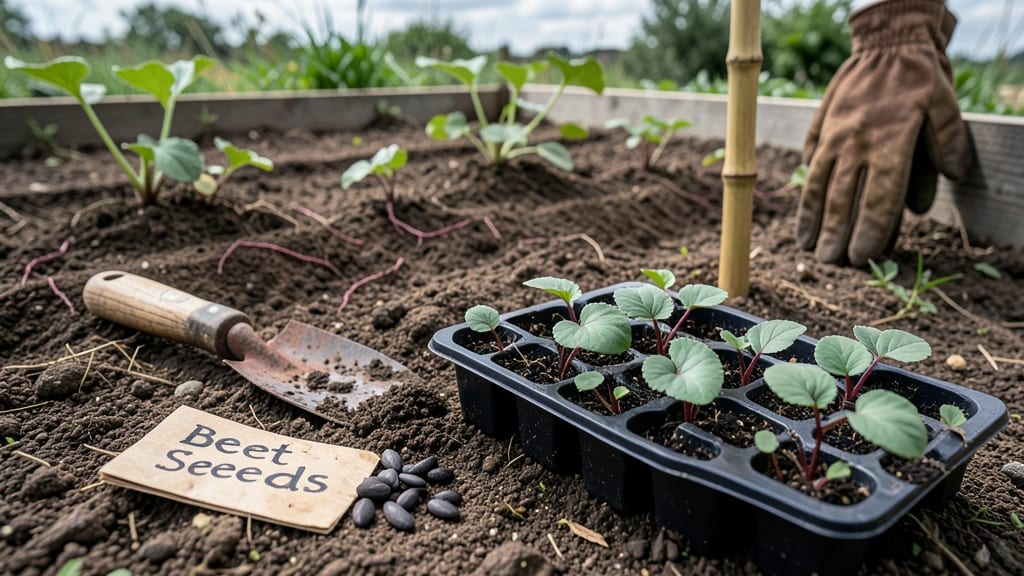
Planting beets in the fall for a sweet harvest is all about timing—get it wrong, and you’ll either end up with bitter greens or roots ruined by frost.
The key is starting 4 to 6 weeks before your first frost date, when soil temperatures are still warm enough to encourage growth but cool enough to prevent bolting.
In USDA Zone 6a, that means aiming for late August or early September, giving your 🍠 beets time to mature before winter sets in. Too early, and they’ll bolt; too late, and frost will damage tender roots.
The secret? Focus on soil warmth—beets thrive when temperatures hover around 60–70°F—and adjust based on your local climate.
You might wonder if fall-planted beets can survive winter. The answer depends on your region—some varieties tolerate light frost, while others need protection. I’ll show you how to extend your harvest season, whether by choosing cold-hardy varieties or using row covers to shield young plants.
Ready to grow sweeter, hardier beets than ever? Let’s break down the exact steps to time your planting perfectly, from soil prep to frost protection, so you can enjoy a bountiful fall harvest without the guesswork.
Fall beet planting timeline: soil temperature & frost timing rules
Timing your fall beet planting is everything—get it wrong, and you’ll end up with either bolting or frost-damaged roots. The sweet spot? Planting when soil temps hit 60–70°F and you have 4–6 weeks until your first frost.
This ensures roots mature before winter sets in, delivering that sweeter, hardier harvest we all love.
Your USDA zone plays a huge role here. In zones 3–5, you’ll need to plant earlier (late July to early August) to account for shorter growing seasons.
Meanwhile, gardeners in zones 6–10 have more flexibility, with ideal windows stretching into September. Always check your local frost dates—they’re your planting deadline.
To nail your timing, start by checking your last frost date (find it via the USDA Plant Hardiness Zone Map). Count backward 60–70 days—this gives your beets enough time to reach harvest size before winter.
For example, if your first frost hits October 15, aim to plant by mid-August in zone 6.
Don’t overlook soil temperature. Beets need warm soil (60–70°F) to germinate properly. Use a soil thermometer to test—if it’s cooler, wait a few days or use a black plastic mulch to warm the soil faster. Cold soil slows germination and increases the risk of damping off.
Pro tip: Plant in succession every 2 weeks after your initial planting. This stretches your harvest window and ensures a steady supply of fresh beets. For instance, if you plant your first batch in early August, follow up with mid-August and late August batches for a continuous harvest.
Watch for bolting, which happens when beets sense long days and cold nights too early. To prevent this, choose long-day varieties like Detroit Dark Red or Chioggia, and avoid planting too soon.
If you’re in a short-season zone, opt for Baby Beet varieties—they mature faster and are less likely to bolt.
As frost nears, protect your beets with row covers or straw mulch. This buys you 2–3 extra weeks of harvest time. In mild climates (zones 8–10), you can even leave beets in the ground over winter—they’ll sweeten further after frost! Just harvest before hard freezes hit.
Remember: soil prep matters. Amend your soil with compost before planting to improve drainage and fertility. Beets thrive in loose, well-draining soil with a pH of 6.0–7.0. If your soil is heavy clay, consider growing beets in raised beds for better results.
Finally, keep an eye on the weather forecast in the weeks leading up to frost. If a hard freeze is predicted, harvest your beets immediately—even small roots taste great roasted or pickled. With the right timing, you’ll enjoy homegrown beets well into winter! 🍠
5 Critical mistakes that ruin fall beet harvests (and how to fix them)
Fall beets are a gardener’s secret weapon—sweeter, more tender, and less likely to bolt than their spring counterparts. But one wrong move can turn your harvest into disappointment. I’ve seen overcrowded beds stunting growth, poor soil prep leading to bitter roots, and late plantings ruined by frost.
Here’s how to sidestep these pitfalls and grow perfect fall beets.
The biggest mistake? Ignoring your last frost date. Planting too close to frost means your beets won’t mature before the cold sets in. In USDA zones 3–5, aim for 4–6 weeks before first frost—typically late July to early August.
Warmer zones (6–10) can push planting to mid-September, but always check your local frost calendar.
⚠️ callout warning ⚠️
Zones 3–5 are most vulnerable to frost damage. Plant 6–8 weeks before first frost—any later, and your harvest will suffer. Use row covers if frost threatens early.
Fix: Test soil warmth with a soil thermometer—ideal temps are 60–70°F. If soil is cooler, wait 1–2 weeks.
Another common blunder? Skipping soil preparation. Beets need loose, fertile soil to develop sweet roots. Before planting, mix in 2–3 inches of compost and work in a balanced fertilizer (5-10-10). Sandy or clay-heavy soil? Amend with organic matter to improve drainage and moisture retention.
Overcrowding is the silent harvest killer. Plant seeds 1 inch apart and thin seedlings to 3–4 inches when they’re 2 inches tall. Crowded beets compete for nutrients, resulting in small, misshapen roots. Pro tip: Use a seedling dibber for precise spacing—it saves time and ensures even growth.
Choosing the wrong beet varieties for fall can backfire. Detroit Dark Red and Chioggia are top picks—they mature quickly and tolerate light frost. Avoid long-day varieties like Boltardy unless you’re in a short-season zone. For southern gardens, opt for heat-tolerant types like Golden or Albina Vereduna.
Finally, neglecting mulch invites weeds and temperature swings. Apply 2–3 inches of straw or shredded leaves after thinning seedlings. Mulch keeps soil consistently moist, suppresses weeds, and insulates roots from early frost. Just avoid piling mulch against stems to prevent rot.
With these fixes, your fall beets will be sweet, plentiful, and frost-proof. Start with the right timing, prep your soil, and give them space to thrive—and you’ll harvest until winter sets in.