
Plants
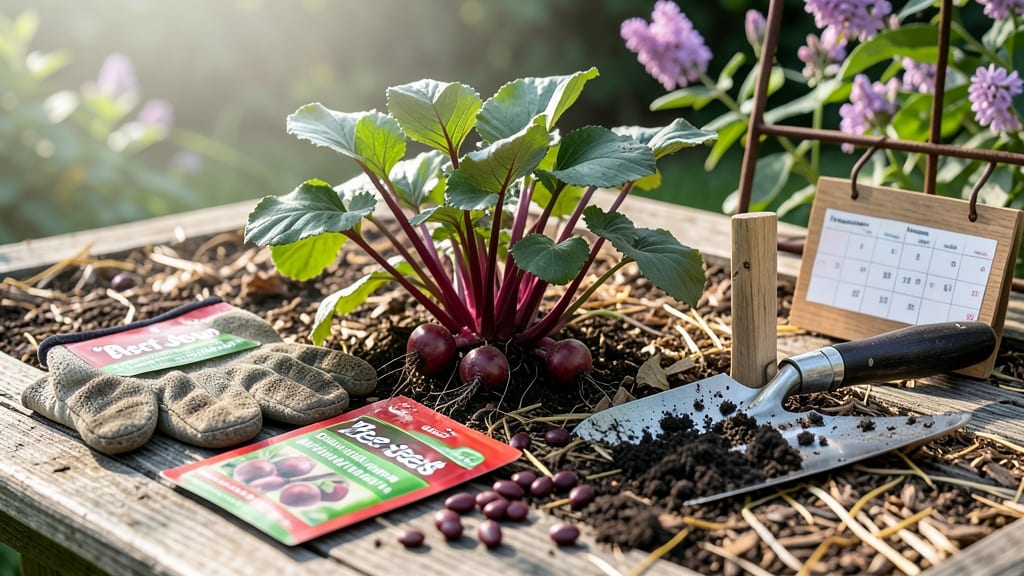
Planting beets in Minnesota isn't just about timing—it's about beating the clock before frost steals your harvest. With USDA zones 4a-5b and a short growing season, those crisp, earthy roots demand precision.
Miss the window, and you’ll end up with tough, woody beets or bolted greens before they even reach their prime.
Most gardeners here swear by mid-April to early June for spring plantings, but the real magic happens when you align your schedule with soil temperatures—not just frost dates.
Too cold, and your seeds won’t germinate; too hot, and they’ll bolt before you get a bite-sized harvest. I’ve learned the hard way: patience and preparation are key.
Want to stretch your harvest into fall? Late July to early August is your second chance, but you’ll need to act fast. Beets grow quickly—50-60 days to maturity—but Minnesota’s first frost sneaks up by mid-October.
The trick? Plant succession crops every 2-3 weeks to keep the table stocked with those sweet, ruby roots.
Ready to grow beets that rival the ones from the farmers' market? Let’s break down the exact dates, soil secrets, and variety picks that’ll turn your Minnesota garden into a beet bonanza—without the guesswork.
Minnesota’s best planting zones and frost dates for beets
Minnesota’s USDA Hardiness Zones 3-5 create unique challenges for beet growers. The cool climate and short frost-free window demand precise timing to avoid frost damage or summer bolting. Beets thrive in cool soil temperatures (50-70°F), but they won’t germinate in frozen ground—balancing these factors is key to success.
Most of Minnesota falls within Zones 4a-5b, where the average last frost date ranges from mid-April in southern areas to early June in northern regions. Understanding your specific microclimate—like urban heat islands or protected garden spots—can shift your planting window by 2-3 weeks earlier or later.
🌱
For Zone 3a gardeners, the shortest frost-free window (120 days) means prioritizing early-maturing varieties like 'Detroit Dark Red' (50 days) or 'Golden' (55 days). In Zone 5a, you can stretch your harvest with fall planting—sow seeds by August 1 for roots ready by first frost.
Microclimates play a huge role in Minnesota. A south-facing garden bed or raised beds can warm up 2-3 weeks earlier than open fields. Conversely, low-lying areas hold cold air longer, delaying planting by 1-2 weeks. Use a soil thermometer to confirm soil temps are above 50°F before sowing.
🌿
Beets are cool-season crops, but they’ll bolt (go to seed) if exposed to consistent temperatures above 80°F. In Minnesota, this means avoiding late spring plantings after June 1 in most zones.
For a summer harvest, opt for shade cloth or succession planting every 2 weeks from April through June.
Fall plantings offer a second chance for harvests. Sow seeds 8-10 weeks before your average first frost—typically July 15-August 1 in most of Minnesota. Choose bolt-resistant varieties like 'Chioggia' or 'Luttrell' for cooler fall weather. These varieties handle shorter daylight hours better than standard types.
💧
Adjust your planting schedule based on local weather patterns. Check the National Weather Service or University of Minnesota Extension for your area’s 30-year frost averages.
If you’ve noticed earlier springs in recent years, consider pushing your spring planting window 1 week earlier—but always verify with a soil thermometer.
Protect young seedlings from late spring frosts with frost cloth or row covers. In Zone 3a, I’ve had success using cold frames to extend the season by 3-4 weeks in both spring and fall.
For urban gardeners, containers on patios or balconies can create a microclimate 5-10°F warmer than ground level.
✂️
How to calculate your exact beet planting window in Minnesota
Determining the perfect time to plant beets in Minnesota requires balancing soil warmth, frost dates, and summer heat. Beets need 45-60 days of cool weather to mature, but they won’t germinate in cold soil.
Start by checking your last frost date—typically mid-May in most of Minnesota—and work backward. Aim to plant seeds 4-6 weeks before summer heat (around late April to early June) for a July harvest.
For fall harvests, plant again in late July to early August to avoid bolting (flowering) before frost. Use these key tools to pinpoint your window: frost date calculators (like the Old Farmer’s Almanac), soil thermometers (soil should be at least 50°F), and your seed packet instructions.
These tools will help you avoid common mistakes like planting too early in cold soil or too late for a harvest before frost.
- Check your last frost date (mid-May in MN) and work backward 4-6 weeks.
- Use a soil thermometer—plant when soil reaches 50°F+.
- Follow seed packet instructions for days to maturity (e.g., 50 days for Detroit Dark Red).
- Plant succession crops every 2 weeks for continuous harvests.
- For fall, plant late July-August to harvest before first frost (mid-October).
Start by checking your USDA Hardiness Zone (Minnesota ranges from 3a-5b). Zones 4-5 (most of the state) have a 130-day frost-free window, so plan accordingly. For example, if your last frost is May 15, plant beets by April 15-30 for a July harvest.
Use a frost date calculator like the one from the National Weather Service to get precise dates for your county.
Soil temperature is critical—beets won’t germinate below 50°F. Use a soil thermometer to test your garden bed. If the soil is too cold, wait or use black plastic mulch to warm it faster.
Seed packets often list ideal planting dates based on your region, but Minnesota’s variability means you should adjust for your specific microclimate. Urban areas may warm up faster than rural spots, so plant urban gardens slightly earlier.
Extend your harvest with succession planting. Plant new seeds every 2 weeks until early June to ensure a steady supply. For fall, sow seeds in late July to early August for a harvest before the first frost (mid-October).
Choose bolt-resistant varieties like ‘Detroit Dark Red’ or ‘Golden Beet’ for better success in Minnesota’s short season.
Once you’ve calculated your window, mark it on your calendar and prepare your soil with compost or aged manure to improve drainage. Beets thrive in loose, well-draining soil with a pH of 6.0-7.0.
Thin seedlings to 2-3 inches apart to prevent overcrowding, and keep the soil consistently moist but not waterlogged. With the right timing, you’ll enjoy crisp, sweet beets all summer and fall!