
Plants
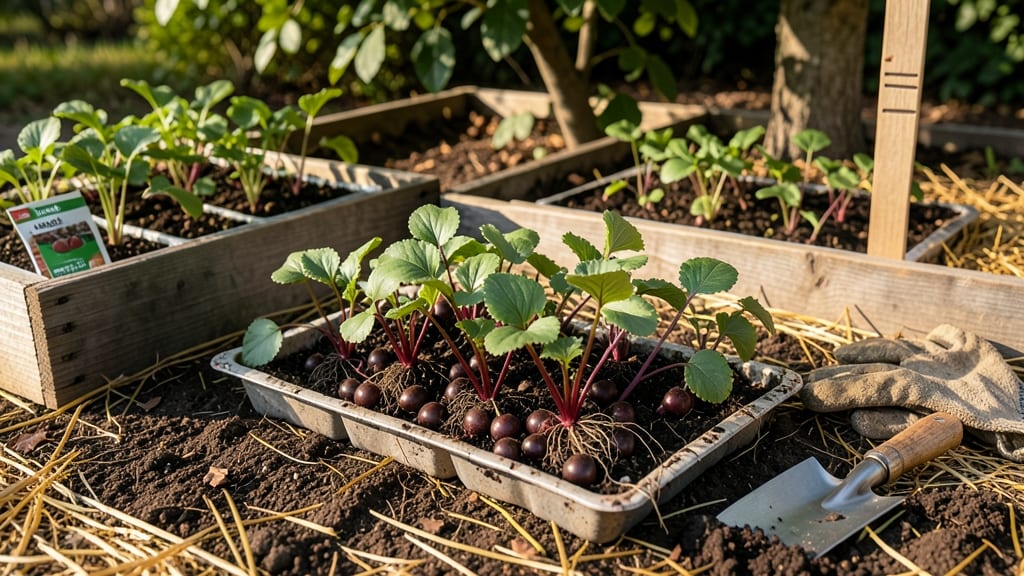
Timing your 🍠 beet planting in Kentucky can make the difference between tender, sweet roots and tough, bitter ones you'll regret growing. The key isn't just about throwing seeds in the ground—it's about understanding when your soil warms up and when those last frosts will pass.
In Kentucky's USDA Zone 6a, you've got two prime windows: early spring (March-April) or late summer (July-August). Plant too early, and you risk frost damage; too late, and your beets might bolt before reaching their full potential.
Let me show you exactly how to nail those planting dates for perfect harvests.
Whether you're a first-time gardener or a seasoned Kentucky grower, these timing tips will help you avoid common mistakes. We'll cover soil temperature tricks, frost-free deadlines, and how to stretch your growing season for continuous harvests from May through October.
Ready to grow beets that are crisp, flavorful, and ready when you need them? Let's dive into the exact planting schedule that works for Kentucky's climate—so you can enjoy homegrown beets straight from your garden.
Kentucky planting zones: best frost-free dates for beet success
Timing your beet planting in Kentucky’s 5 USDA zones (6a-7a) makes all the difference between tender, sweet roots and tough, fibrous failures. The key? Planting when soil temps hit 40-75°F and counting back 60-70 days to harvest.
Kentucky’s first frost dates vary by zone, so let’s break it down by region to maximize your crisp beet harvests.
Northern Kentucky (Zone 6a) has the shortest growing season, while southern areas (Zone 7a) enjoy 10-14 extra frost-free days. This means your planting window shifts from March 15 in Lexington to April 1 in Paducah.
Understanding these differences helps you avoid late frosts that turn your beets to mush or summer heat that makes them bolt prematurely.
Beets thrive with full sun (6+ hours daily) and consistent moisture, but Kentucky’s humid summers and clay-heavy soils require special attention. The good news? Beets are cold-hardy—they’ll survive light frosts—making both spring and fall plantings possible.
Let’s dive into the zone-by-zone planting schedule that’ll have you harvesting baby beets in 50 days or full-size roots in 70 days.
For Zone 6a gardeners in places like Bowling Green or Paducah, start your spring beets indoors in late February to get a jump on the season. Harden off seedlings for 7-10 days before transplanting after your last frost date.
In Zone 7a areas like Lexington or Louisville, you’ve got flexibility—plant directly outdoors as early as March 1 if your soil is workable.
Fall planting is where Kentucky shines. July-August sowings give you harvests in September-October when temperatures cool. This avoids the bolting risk of summer heat while extending your growing season. Just remember: beets need consistent moisture, so mulch heavily to retain soil moisture during Kentucky’s hot, dry spells.
Pro tip: Use row covers for early spring plantings to protect tender seedlings from late frosts (which can happen as late as April 15 in Zone 6a). For fall plantings, choose heat-tolerant varieties like Detroit Dark Red or Chioggia, which handle Kentucky’s 90°F summers better than standard types.
Spring vs fall planting: which works better in Kentucky’s climate?
Kentucky’s variable climate makes timing your beet planting critical. While both spring and fall offer advantages, each season presents unique challenges for crisp, sweet harvests.
As a local gardener, I’ve learned that early spring (March-April) and late summer (August-September) provide the best windows—but only if you account for Kentucky’s unpredictable frost dates and heat spikes.
Spring planting gives you a head start on the growing season, but late frosts can still damage tender seedlings. Meanwhile, fall plantings avoid summer’s intense heat, but bolting risks increase if seeds are sown too late.
Let’s break down which approach works best for your Kentucky garden, from Louisville’s urban plots to Lexington’s rural farms.
Spring Planting (March-May)
- Cooler soil temps prevent bolting
- Longer harvest window before fall frost
- Ideal for baby beets (45-50 days)
- Late frost risk (after March 15)
- Slower early growth in cold soil
- Requires row covers for protection
Fall Planting (August-September)
- Avoids summer heat stress
- Soil stays warm for germination
- Harvest before first frost (Nov 15)
- Bolting risk if sown after Aug 15
- Shorter harvest window
- Requires heat-tolerant varieties
For spring planting, focus on early March sowings in well-drained soil with temperatures above 40°F. Use row covers until mid-April to shield seedlings from late frosts. In Lexington’s Zone 7a, I’ve had success with Detroit Dark Red beets planted by March 20th, yielding harvests by early June.
Fall plantings thrive in Kentucky’s August-September window when soil remains warm but daytime highs dip below 85°F. Choose heat-tolerant varieties like Boltardy and sow seeds by mid-August for a September-October harvest.
In Louisville’s urban gardens, fall plantings often outperform spring due to reduced pest pressure and consistent moisture.
Both seasons work—it’s all about adapting to your microclimate. Try succession planting: sow spring beets in March and May, then follow with fall seeds in August. This double strategy maximizes your harvest while minimizing risks from Kentucky’s unpredictable weather.
Remember: Soil temperature matters most. Use a soil thermometer to confirm 50-70°F before planting. In cooler zones like Paducah (Zone 6b), wait until April 1st for spring plantings, while Bowling Green (Zone 7b) gardeners can start as early as March 10th.