
Plants
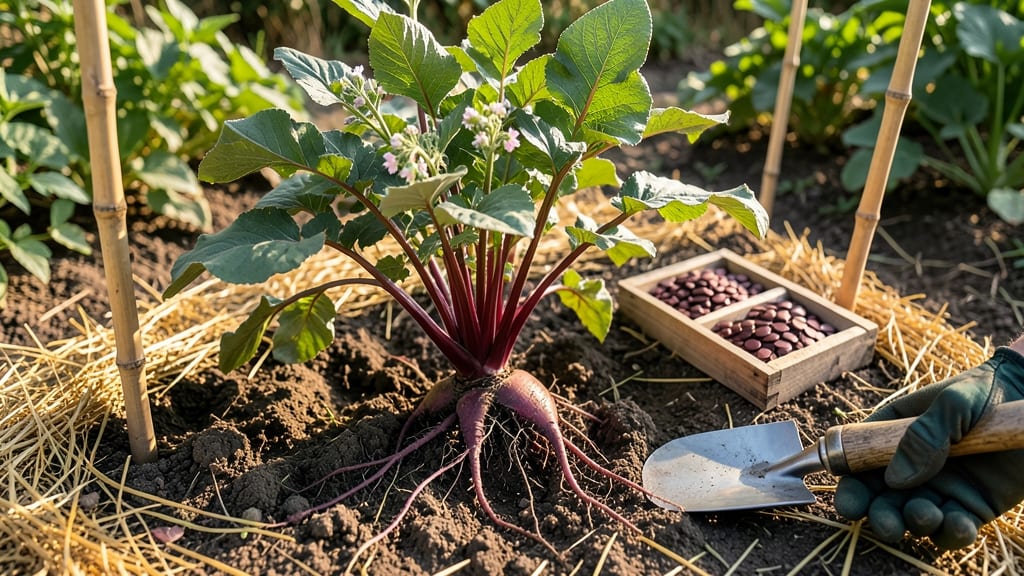
Planting beets in Maryland at the wrong time means either waiting for frost to ruin your tender 🍠 harvest or ending up with bitter, woody roots that no one wants to eat.
Timing is everything when it comes to growing sweet, juicy beets in USDA zones 7a-7b. The key is knowing exactly when to start seeds—whether you're in Baltimore County or Western Maryland—so you can enjoy fresh harvests from June through November without the guesswork.
I’ve tested the best planting windows over the years, and the secret isn’t just about avoiding frost—it’s about working with Maryland’s 180-day growing season to maximize your yield.
Whether you’re a beginner or a seasoned gardener, these proven strategies will help you plant beets at the perfect moment for a bountiful harvest.
Ready to grow the most delicious beets your neighbors will be jealous of? Let’s dive into the exact planting schedule tailored to Maryland’s climate, so you can start seeds with confidence and avoid common mistakes that waste your time and effort.
Maryland’s frost-free planting zones for beets by county (2024 guide)
Maryland’s diverse microclimates mean your beet planting window can vary by 50 days between counties. Whether you’re in Baltimore’s urban heat islands or Western Maryland’s cooler valleys, knowing your last frost date and USDA Zone 7a/7b adjustments is key to avoiding frost damage or bolting.
I’ve broken down the ideal planting months by region, plus heat-tolerant varieties that thrive in Maryland’s summer heat.
Most of Maryland falls under USDA Zones 7a and 7b, with average last frost dates ranging from April 1–15 in the mountains to April 15–30 along the coast. For fall planting, aim to sow seeds 8–10 weeks before your first frost (typically mid-August to early September).
Urban areas like Baltimore and Annapolis often experience earlier last frosts due to heat retention, while Western counties like Frederick may see frost linger until mid-April.
Here’s your county-by-county guide to planting beets in Maryland, including spring and fall windows, recommended varieties, and microclimate tips to maximize your harvest.
For spring planting, start seeds indoors 4–6 weeks before your last frost date if using transplants, or direct-sow outdoors once soil reaches 50°F. In Baltimore and Anne Arundel, where frost can linger, opt for cold-hardy varieties like ‘Lutz Winterkeeper’ to avoid bolted greens.
In Western Maryland’s cooler zones, like Garrett County, delay planting until mid-April to prevent frost damage.
Maryland’s summer heat (especially in July and
How to extend your beet harvest in Maryland: succession planting & fall strategies
Maryland’s humid summers and unpredictable fall weather can shrink your beet harvest if you don’t plan ahead. The key to a continuous supply of sweet, tender roots lies in succession planting—staggering your sowing every 2–3 weeks through the growing season.
This method ensures you’re always harvesting fresh beets while avoiding the bolting (flowering) that turns them woody when days get too long.
For fall harvests, timing is critical. Plant your last succession 6–8 weeks before your county’s first frost (typically mid-September for most of Maryland). Cold-hardy varieties like ‘Detroit Dark Red’ and ‘Golden’ thrive in cooler weather, while heat-sensitive types like ‘Chioggia’ should be sown earlier.
Proper soil preparation—amending with compost and ensuring good drainage—sets the stage for late-season success.
- Start succession planting every 2–3 weeks from March 15–April 30 for spring harvests.
- Sow fall crops between August 15–September 15, adjusting for your county’s frost date.
- Choose cold-hardy varieties like ‘Detroit Dark Red’ for fall (resists 25°F temps).
- Test soil pH (ideal: 6.0–7.0) and amend with compost before planting.
- Mulch heavily in late summer to retain moisture and prevent leaf miner infestations.
Maryland’s Western counties (like Frederick) can push fall plantings slightly later than Eastern regions (e.g., Baltimore or Anne Arundel) due to microclimates. Use row covers in early fall to extend the season by 2–3 weeks, protecting tender greens from light frosts.
For urban gardeners, container-growing works well—just ensure pots have drainage holes and use a lightweight potting mix to avoid compacted soil.
Pests like leaf miners and beetles thrive in Maryland’s humidity. Prevent infestations by watering at soil level (not overhead) and rotating crops annually. If you notice yellowing leaves, act fast—remove affected foliage and treat with neem oil (safe for edibles).
For storage beets, harvest before hard frosts and cure them in a cool, dark place for 1–2 weeks to develop their sweetness.
Don’t let your beet harvest fizzle out by mid-summer! By following these strategies, you’ll enjoy fresh beets from June through November, even in Maryland’s variable climate. Start your first succession now—your taste buds (and dinner table) will thank you.
🌱