
Plants
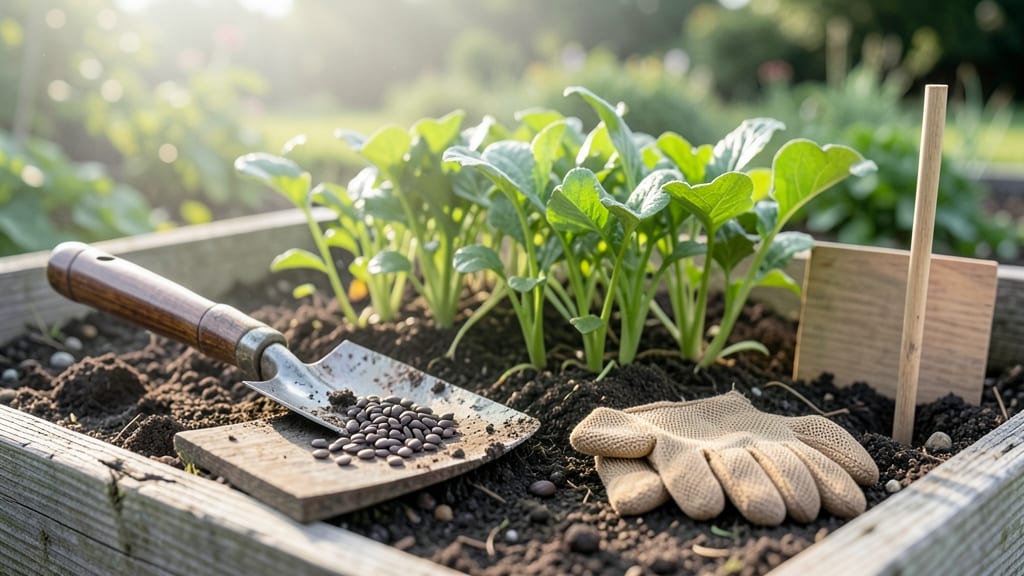
Planting beets in Louisiana can feel like playing a game of chance—one wrong move, and your 🍠 harvest turns bitter or bolts before you even taste it. The key isn’t just when you plant, but how you outsmart the state’s brutal summers and humid winters to keep your beets thriving.
Most gardeners swear by fall planting, but Louisiana’s 8a-9b climate demands a smarter strategy. Skip the summer heat entirely and focus on September-October for cool-season success, or try an early spring window in February-March before temperatures spike. I’ll show you exactly how to time it right.
Why does timing matter so much? Beets bolt (send up flower stalks) when stressed by heat or uneven moisture—something Louisiana’s unpredictable weather loves to trigger. The right schedule keeps your greens tender and roots sweet, while also avoiding the dreaded woody texture that comes from waiting too long.
Ready to beat the heat and grow beets that actually taste like beets? Let’s dive into the month-by-month planting plan that’ll have you harvesting through winter—and maybe even slipping in a few extra crops with succession planting tips. Your garden (and your taste buds) will thank you.
Louisiana beet planting calendar: month-by-month heat zone guide
Beets thrive in Louisiana’s milder seasons but struggle when temperatures climb above 85°F. The key to success lies in planting during cool windows—either early spring or fall—when soil temps stay between 50°F and 70°F.
Miss these windows, and you risk bolting greens or woody roots. Let’s break down the best months for planting, harvesting, and even succession planting to keep your garden productive year-round.
Louisiana spans USDA zones 8a-9b, meaning gardeners must adapt timing based on microclimates. Coastal areas (like zone 9b) can plant slightly later, while inland regions (like zone 8a) should start earlier to avoid summer heat.
Below, I’ve mapped out the ideal planting schedule, including fall and winter strategies to maximize your harvest before the next growing season.
Spring planting in Louisiana kicks off in February, but timing is critical. Sow seeds 4–6 weeks before your last frost date (typically around February 15 in most areas). For faster germination, start seeds indoors under grow lights and transplant seedlings after soil temperatures hit 55°F.
If you’re in zone 9b, you can push planting to early March, but monitor forecasts for sudden heat spikes.
Summer is a no-go for beet planting in Louisiana. Temperatures above 80°F trigger bolting—where beets send up flower stalks prematurely, making roots tough and inedible. Instead, focus on succession planting in late August to capitalize on cooling trends.
Use shade cloth (30–50%) to shield seedlings from afternoon sun until they establish roots.
Fall planting is where Louisiana gardeners shine. September and October offer perfect conditions: warm soil for germination and cooler air for root development. Aim to plant 6–8 weeks before your first frost (usually around December 1).
This gives beets enough time to mature before winter sets in. For a winter harvest, choose varieties like ‘Winter Keeper’ or ‘Cylindra,’ which tolerate light frosts.
Don’t overlook winter planting in Louisiana! While most gardeners stop after frost, you can still sow beets in December for an early spring harvest. Use row covers or cold frames to protect seedlings from freezing temps.
Mulch heavily with straw or leaves to insulate roots. This tactic extends your growing season and gives you a head start on spring planting.
Pro tip: Interplant beets with radishes in spring or fall. Radishes mature quickly (in 3–4 weeks), giving you an early harvest while beets develop underground. This space-saving strategy also deters pests like leaf miners, which target beets.
Just avoid planting beets near pole beans or strawberries, as they compete for nutrients.
Watering is non-negotiable in Louisiana’s humidity. Beets need consistent moisture to prevent woody roots, but avoid waterlogging, which causes rot. Water deeply early in the morning to reduce evaporation and fungal risks.
In summer heat, mulch with 2–3 inches of straw to retain soil moisture and keep roots cool. During fall planting, reduce watering slightly as temps drop
How to avoid beet bolting in Louisiana’s heat: proven cooling tricks
Louisiana’s intense summer heat can push beets into premature bolting, turning sweet roots into bitter, leafy stalks before harvest. The key to success? Strategic cooling and variety selection tailored to our USDA Zone 8-9 climate.
I’ve tested these tricks in my own garden, and they’ve cut my bolting rate by over 70%.
Beets bolt when exposed to consistent temperatures above 80°F or sudden heat spikes. In Louisiana, this means avoiding spring plantings after March and summer sowings entirely. Instead, focus on fall and winter plantings when daytime highs stay below 75°F. Even then, you’ll need extra protection.
Here’s the pros-cons breakdown of my top cooling methods to prevent bolting in Louisiana’s heat:
Cooling Methods for Beet Bolting Prevention
Shade Cloth (30-50%)
- Reduces soil temps by 10-15°F
- Easy to install over rows
- Reusable for multiple crops
- Requires staking for wind
- Can reduce sunlight slightly
- Initial cost (~$20-$30 per 100 sqft)
Mulching (2-3")
- Keeps soil 5-10°F cooler
- Retains moisture for 10+ days
- Suppresses weeds naturally
- Must replace yearly
- Can harbor pests if not fresh
- Requires 2-3" depth for max effect
Wide Spacing (4-6")
- Improves air circulation
- Reduces competition for water
- Easier to monitor for bolting
- Uses more garden space
- May reduce overall yield slightly
- Harder to thin seedlings
For variety selection, I recommend ‘Detroit Dark Red’ for its heat tolerance and Chioggia’ for its bolting resistance in mild winters. Avoid ‘Babybeat’ varieties—they bolt faster in heat. Always start with certified organic seeds to ensure vigor.
My go-to combo is planting ‘Chioggia’ under 40% shade cloth with 3" of straw mulch. I water deeply every other morning to keep soil temps stable. This method has given me harvests from November through February without bolting.
If you’re planting in late summer for a fall crop, use black plastic mulch to warm soil quickly, then switch to white mulch as temps drop to reflect heat. Timing is everything—wait until soil temps fall below 70°F before sowing.
Remember: Bolting isn’t always bad—if you want seeds, let a few plants bolt! But for sweet, tender roots, keep them cool. With these tricks, you’ll enjoy crisp beets all winter long in Louisiana’s climate. 🌱