
Plants
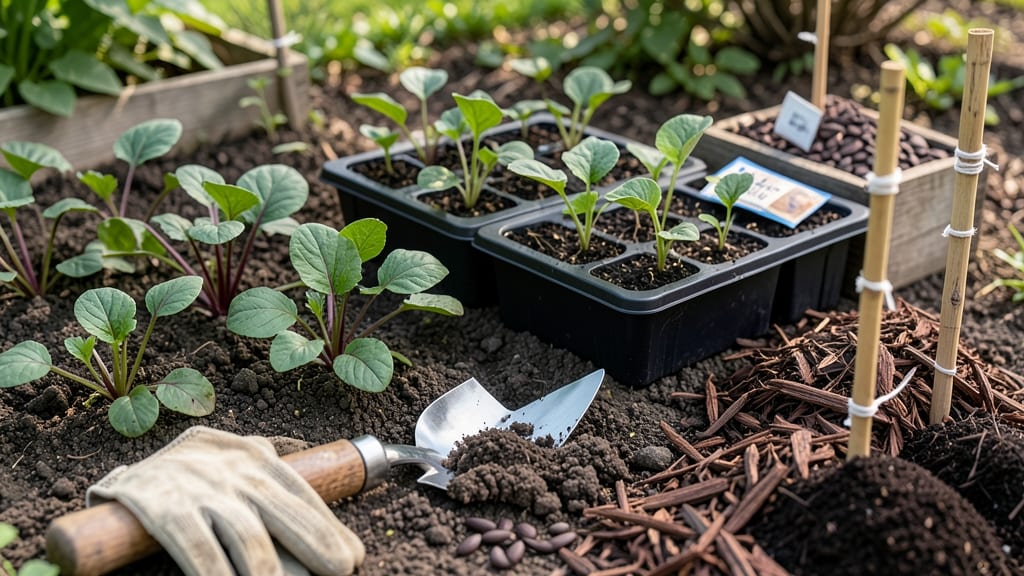
Timing your 🍠 beet planting in Indiana could mean the difference between a bumper harvest and a sad, wilted disappointment. Since Indiana’s USDA Zone 6a climate swings from chilly springs to scorching summers, knowing the perfect frost-free windows is key to avoiding bolting or stunted growth.
Most gardeners in the Hoosier State swear by two planting seasons: early spring (March 15–April 15) and late summer (August 15–September 15). But with Indiana’s unpredictable weather, even a few days off can send your beets into early flowering—leaving you with bitter, inedible roots instead of sweet, tender harvests.
In this guide, I’ll break down the exact frost dates for your corner of Indiana, plus pro tips for succession planting to stretch your harvest from June through November.
Whether you’re a first-time gardener or a seasoned green thumb, these strategies will help you grow beets that thrive—no matter what Mother Nature throws your way.
Ready to dig in? Let’s make sure your beets get the ideal start and keep producing all season long.
Indiana beet planting calendar: Zone-specific frost dates & best months
Indiana’s diverse USDA zones (5-7) create distinct planting windows for beets, where timing directly impacts harvest success. In northern Indiana (zones 5), cooler soils delay spring planting, while southern Indiana (zones 6-7) enjoys earlier starts.
Understanding your last frost date (April 15 in the north, March 15 in the south) is critical—plant too early, and seedlings freeze; too late, and summer heat triggers bolting.
Beets thrive in cool-season windows: early spring (March-April) and late summer (August-September). The key is soil temperature—ideal germination occurs at 45-85°F. In Indiana, this means waiting until soil warms to 50°F+ in spring and cooling to 75°F or below in fall.
Let’s break down the zone-specific planting calendar to maximize your beet harvest.
Pro Tip: Use a soil thermometer to confirm readiness—cold soil slows germination, while hot soil causes bolting. Indiana’s short growing season (165 frost-free days) demands precision, especially for northern gardeners.
For northern Indiana (Zone 5), start seeds indoors 4-6 weeks before last frost (mid-March) to transplant after April 15. In southern Indiana (Zone 7), you can direct-sow as early as late February if soil temps permit.
The fall window is equally critical: plant by August 15 in the north and September 1 in the south to ensure roots mature before frost.
Indiana’s summer heat (July-August) poses the biggest risk for beets—temperatures above 80°F trigger bolting. To beat the heat, try shade cloth (30-50%) or opt for heat-tolerant varieties like ‘Detroit Dark Red’ or ‘Chioggia’.
In Zone 6-7, you can even squeeze in a late summer planting (July 15) for a fall harvest.
Don’t overlook succession planting—sow new seeds every 2 weeks in spring and 3 weeks in fall to stagger harvests. This ensures a steady supply of baby beets (1-2 inches) and mature roots (2-3 inches) throughout the season.
In Zone 5, aim for 3 planting cycles; in Zone 7, stretch to 4 cycles.
Watch for soil moisture—beets need 1 inch of water weekly, but avoid soggy soil to prevent rot. In drought-prone summers, mulch with straw or grass clippings to retain moisture. Morning watering is best to reduce fungal risks like leaf spot, common in Indiana’s humid summers.
Mark your calendar for Indiana’s first frost (October 15 in the north, November 1 in the south) to time your final fall planting. For overwintering, choose cold-hardy varieties like ‘Ruby Queen’ and mulch heavily with straw or leaves to protect roots down to 20°F.
With this zone-specific calendar, you’ll avoid the pitfalls of bolting and frost damage while maximizing your beet harvest.
🌱
How to extend your beet harvest season in Indiana: succession planting tips
Indiana’s short growing season and summer heat can make beet harvesting feel like a one-and-done affair—but it doesn’t have to be. With smart succession planting, you can stretch your harvest into four cycles, from early spring to late fall.
The key? Timing soil temperatures, using shade cloth, and pairing beets with the right companions to avoid bolting during Indiana’s sweltering July and August.
Most gardeners focus on spring and fall plantings, but Indiana’s USDA zones 5-7 actually allow for two summer plantings if you plan carefully. The trick is to start seeds when soil temps hit 45-50°F (spring) or 70-75°F (fall), and to keep plants cool during peak summer heat.
Let’s break down how to maximize your harvest with three to four cycles of beets.
- 📅 Cycle 1: Early Spring (March 15 - April 15) – Plant when soil reaches 45°F; harvest by June 15.
- 🌞 Cycle 2: Late Spring (May 1 - June 1) – Use shade cloth (30-50%) to prevent bolting; harvest by July 30.
- 🌿 Cycle 3: Early Summer (July 15 - August 1) – Choose heat-tolerant varieties like ‘Detroit Dark Red’; harvest by September 15.
- 🍂 Cycle 4: Late Summer (August 15 - September 15) – Plant for fall harvest before first frost; use row covers for extra protection.
For Cycle 1 (spring), start seeds indoors 4-6 weeks before your last frost date (typically mid-April in northern Indiana). Transplant seedlings outdoors when soil temps hit 50°F and night temps stay above 40°F.
Use black plastic mulch to warm the soil faster and deter weeds. This cycle gives you your first harvest by late June, just as summer heat ramps up.
Here’s where shade cloth becomes your best friend. For Cycle 2 (late spring), sow seeds in May or early June and drape 30-50% shade cloth over the bed to keep soil temps below 80°F.
Beets bolt when stressed by heat, and shade cloth buys you 4-6 extra weeks of harvestable roots. Pair beets with lettuce or radishes, which thrive in the same conditions and act as living mulch to retain moisture.
Summer planting (Cycle 3) is riskier but doable with the right heat-tolerant varieties. Choose ‘Early Wonder’ or ‘Babybeat’ for faster maturity (just 45 days to harvest). Plant in partial shade or under a drip irrigation system to keep roots cool.
Water deeply in the early morning to prevent fungal diseases like leaf spot, which thrive in Indiana’s humid summers. This cycle rewards you with harvests through mid-September.
Finally, Cycle 4 (late summer) is all about fall harvests. Sow seeds in mid-August for a October-November crop. Use row covers to extend the season by 2-3 weeks and protect against early frosts.
Beets store well in the ground if left unharvested, so you can dig them as needed until hard frosts hit. For extra insurance, plant ‘Winterkeeper’ varieties—they’re bred to handle light frosts and stay sweet.
With these strategies, you’ll enjoy fresh beets from June through November, beating Indiana’s heat and making the most of your garden space. The secret? Stay ahead of the heat, use shade strategically, and never let your soil dry out.
Your taste buds—and your dinner table—will thank you! 🍽️