
Plants
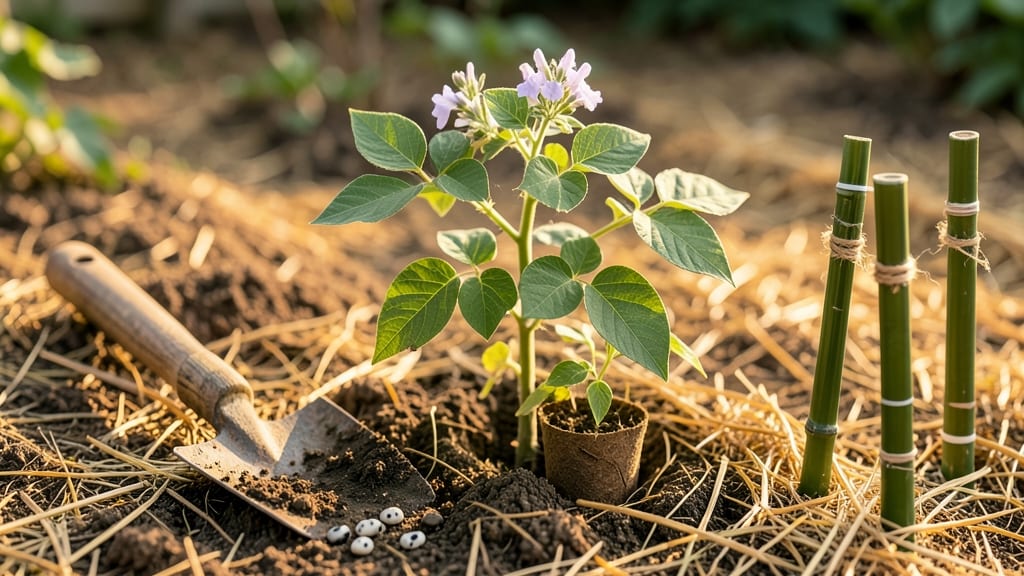
Planting beans at the wrong time in Oklahoma can mean the difference between a bountiful harvest and wasted effort. The perfect window depends on your county’s frost dates and soil warmth, but most gardeners in Oklahoma should start seeds after the last frost—typically mid-April to early May in most regions.
With Oklahoma’s varied climate zones, timing matters even more than you might think. Whether you’re growing bush beans or pole beans 🌱, getting them in the ground when soil temperatures hit at least 60°F is key.
Too early, and frost will nip tender seedlings; too late, and you’ll miss the best yields before summer heat sets in.
I’ve tested different planting schedules across Oklahoma’s zones, and the results speak for themselves. The right approach means fewer losses and more pods on the vine. Let me walk you through the exact dates and tips to make sure your bean plants thrive from seed to harvest.
From Oklahoma City’s cooler springs to Tulsa’s earlier warm-ups, we’ll cover what works where. Plus, I’ll share the top drought-tolerant varieties that perform best in Oklahoma’s unpredictable weather. Ready to grow a garden full of beans?
Oklahoma county planting zones for beans: when to start seeds vs transplants
Oklahoma’s diverse climate—spanning USDA zones 6a to 8a—means your bean planting schedule should match your county’s last frost date. In zone 6a (northwest Oklahoma), frost lingers until April 15–May 1, while zone 8a (southeast) sees frost-free soil by March 1–March 15.
This variation affects whether you’ll start seeds indoors or direct-sow, and which varieties thrive in your microclimate.
For bush beans (like Blue Lake or Kentucky Wonder), aim for soil temperatures of 60–65°F. Pole beans (such as Kentucky Blue or Rattlesnake) tolerate slightly cooler soil but still need warmth to germinate.
My rule? Wait until the soil thermometer reads 60°F+ for 3+ days before planting—this prevents seed rot and ensures vigorous growth.
Here’s the key difference: Transplants (young plants) give you a 2–3 week head start over direct-seeded beans. In zone 7a (Oklahoma City area), I start transplants indoors by March 1 and move them out by April 15.
For direct sowing, wait until April 30–May 15 to avoid frost. In zone 8a, you can direct-sow as early as February 28 for early varieties.
| USDA Zone | Last Frost Date | Start Seeds Indoors | Direct Sow Date | Best Varieties |
|---|---|---|---|---|
| 6a (e.g., Woodward, Beaver) | April 15–May 1 | March 15–April 1 | May 15–June 1 | Blue Lake, Kentucky Wonder (bush) |
| 7a (e.g., Oklahoma City, Stillwater) | March 15–April 1 | February 28–March 15 | April 15–May 1 | Rattlesnake, Blue Lake (pole/bush) |
| 7b (e.g., Tulsa, Lawton) | March 1–March 15 | February 15–March 1 | March 20–April 15 | Kentucky Blue (pole), Contender (bush) |
| 8a (e.g., McAlester, Durant) | February 15–March 1 | January 15–February 1 | February 28–March 15 | Purple Hull, Scarlet Runner (pole) |
Pro tip: Use black plastic mulch in cooler zones (6a–7a) to warm soil faster. Lay it down 2–3 weeks before planting to create a microclimate that speeds germination. I’ve seen 10–14 day faster growth in my garden using this trick—especially for early varieties like Blue Lake.
For succession planting, Oklahoma’s heat means you can often squeeze in 2–3 harvests per season. After your first harvest in June–July, replant heat-tolerant varieties like Scarlet Runner or Purple Hull for a fall crop.
In zone 8a, you might even get a winter crop if you use row covers.
Watch out for late-season frosts in October—especially in zone 6a. If you’re planting for a fall harvest, choose short-season varieties (like Contender) and use row covers to extend the season. I’ve had green beans survive until November with this protection, giving me pods well past the first frost.
Soil prep is non-negotiable. Beans need well-draining, slightly acidic soil (pH 6.0–7.0). Before planting, mix in 2–3 inches of compost and a high-phosphorus fertilizer (5-10-10). In Oklahoma’s clay-heavy soils, I add sand or perlite to improve drainage—beans hate soggy roots.
If you’re new to growing beans, start with bush varieties—they’re easier to manage and produce faster. Pole beans require trellises but yield more over time. For my first-time gardeners, I recommend Blue Lake bush beans—they’re disease-resistant and thrive in Oklahoma’s heat with minimal fuss.
Remember: Oklahoma’s unpredictable weather means flexibility is key. Keep a garden journal to track your local frost dates and adjust planting times yearly. With the right timing, you’ll go from seed to harvest in just 60–90 days—and enjoy fresh, homegrown beans all summer long! 🌱
Best months to plant beans in Oklahoma: a month-by-month guide by region
Oklahoma’s diverse climate means your bean planting schedule should change based on whether you’re in North Oklahoma City, Central Stillwater, or South Tulsa. Beans thrive when soil temperatures hit 60°F or warmer, but timing also depends on your last frost date and local microclimates.
Let’s break down the best months for each region to maximize your harvest.
For pole beans and bush beans, Oklahoma gardeners can plant in both spring and fall, but spring yields are typically larger. The key is avoiding late spring frosts (common in North Oklahoma) and ensuring enough warmth before summer’s heat.
Below, I’ll share my tested schedule for each region, including soil prep tips and succession planting tricks.
- North Oklahoma (OKC): Plant pole beans in mid-April after soil warms to 60°F+. For bush beans, wait until late April to avoid frost. Succession plant every 2 weeks until June 15.
- Central Oklahoma (Stillwater): Start early varieties in early April (soil at 55°F). Main planting window: April 15–May 15. Fall planting: late August for harvest before first frost (Nov 15).
- South Oklahoma (Tulsa): Plant as early as March 15 in warm microclimates. Ideal window: March 30–May 10. Fall planting extends to early October for late-season heat-tolerant varieties.
- Soil Prep Tip: Mix in compost to raise soil temperature faster. Use black plastic mulch in early spring to warm soil 5–10°F faster.
- Succession Planting: Sow new seeds every 2 weeks until July 1 to stagger harvests. Pole beans produce longer; bush beans yield faster.
- Frost Watch: North OKC’s last frost is April 15; Tulsa’s is March 1. Use row covers if planting early in colder zones.
- Heat Tolerance: For summer planting, choose heat-resistant varieties like ‘Rattlesnake’ or ‘Iron Clay’ after June 1.
In North Oklahoma City, where frosts linger longer, I’ve had the most success with early-maturing bush beans planted in mid-April. The soil here often stays cool, so I use black plastic mulch to speed up warming.
For pole beans, which take longer to mature, I start seeds indoors in late March and transplant after the last frost date (usually April 15).
Central Oklahoma’s Stillwater region offers a longer growing season, making it ideal for succession planting. I plant my first batch in early April and continue every 2 weeks until June 15.
This ensures a steady supply of green beans all summer. For fall harvests, I plant again in late August to beat the first frost (around November 15).
Gardeners in South Tulsa enjoy the warmest microclimates, allowing for earlier spring and later fall plantings. I often start pole beans as early as March 15 in sunny spots and extend fall plantings to early October. Heat-tolerant varieties like ‘Crimson Glory’ thrive here even in July and August.
Pro tip: Always test your soil temperature with a soil thermometer—beans won’t germinate well below 60°F. If your soil is too cold, wait or use row covers to warm it faster. And remember, consistent moisture is key once seeds sprout—keep soil evenly damp but not soggy.
With these regional guidelines, you’ll avoid common mistakes like planting too early or missing the optimal growing window. Happy planting! Your bean harvest will thank you. 🌱