
Plants
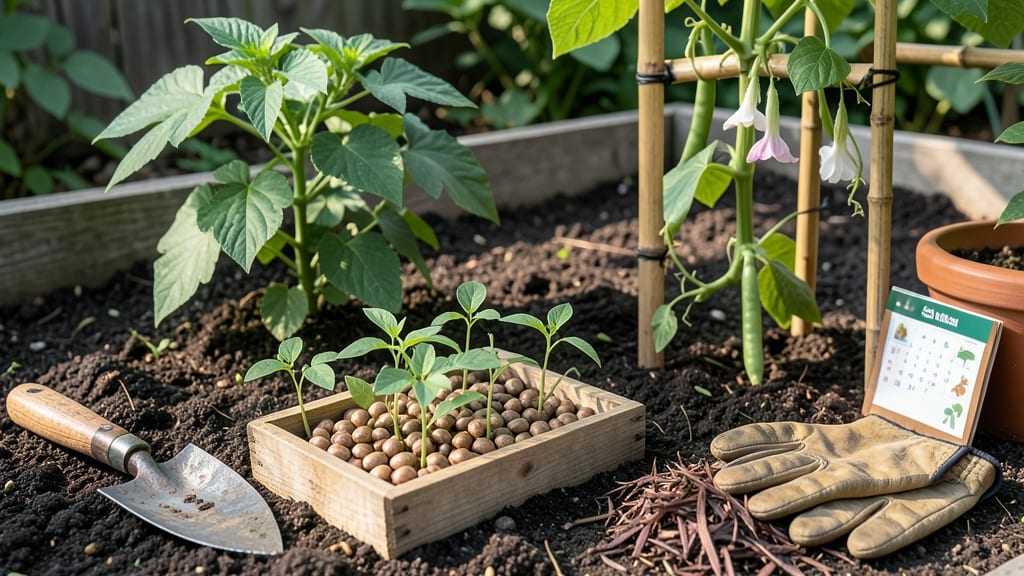
Planting beans in Florida might seem like a no-brainer with its warm climate, but timing these 🌱 legumes just right is the key to avoiding heat stress and maximizing your harvest.
Unlike northern gardeners, you’re not limited to spring—Florida’s frost-free zones (8a-11) let you grow beans year-round, but summer’s scorching temps can turn your crop into a sad, wilted memory if you’re not careful.
Here’s the secret: cooler months (fall and early spring) are your best bet for bush and pole beans, while specialty varieties like lima or yard-long beans thrive with a little summer shade.
I’ve tested what works in my Florida garden, and I’ll show you exactly when to plant each type—plus how to stretch your growing season in hotter regions without sacrificing yields.
Ever planted beans only to watch them bolt in the heat or struggle to germinate in soggy soil? Those mistakes are easier to avoid than you think.
I’ll walk you through the ideal soil temps, frost-free windows (yes, even in North Florida!), and microclimate tricks that make the difference between a bountiful harvest and a disappointing one.
Ready to turn your backyard into a bean bonanza? Let’s dive into the month-by-month planting guide that’ll have you picking fresh pods in no time—no guesswork, just proven strategies for Florida’s unique climate.
Best planting months for beans in Florida by variety type
Florida’s year-round growing potential makes beans one of the easiest vegetables to cultivate—but not all varieties thrive in the same conditions. Pole beans climb and produce longer, while bush beans grow compact and finish faster. Specialty varieties like lima or yard-long beans need even more precise timing to avoid heat stress or poor yields.
Let’s break down the best planting windows for each type based on Florida’s microclimates.
In North Florida (USDA Zones 8a-9a), cooler winters and occasional frost mean you’ll focus on fall and spring plantings to avoid temperature extremes.
Meanwhile, South Florida (Zones 10a-11) can grow beans year-round, but summer heat still demands careful timing. Soil temperature is your best guide—beans germinate best when soil reaches 60°F or warmer.
Pole beans need more time to mature, so they’re best planted in early spring (February-March) or late summer (August-September) to avoid summer’s peak heat. Bush beans, which mature faster, can handle spring and fall plantings (January-April, September-October). Lima beans and yard-long beans thrive in cooler months (October-March) and struggle with temperatures above 90°F.
| Variety | Best Planting Months | Avoid Planting | Days to Harvest | Heat Tolerance |
|---|---|---|---|---|
| Pole Beans (e.g., Kentucky Wonder) | February-March, August-September | May-July (peak heat) | 60-90 days | Moderate (struggles above 90°F) |
| Bush Beans (e.g., Blue Lake) | January-April, September-October | June-August (slow growth) | 50-60 days | Good (tolerates 85°F) |
| Lima Beans (e.g., Fordhook) | October-March (cooler months) | April-September (heat-sensitive) | 70-90 days | Low (avoid above 90°F) |
| Yard-Long Beans (e.g., Chinese Long Beans) | February-March, September-October | June-August (poor yield) | 70-80 days | Moderate (needs consistent moisture) |
For North Florida gardeners, aim to plant bush beans in late winter (February) and pole beans in early spring (March) to beat the summer heat. Fall plantings (September-October) are ideal for both types, as cooler temperatures extend the harvest window. South Florida gardeners can push the envelope by planting bush beans in late summer (August) or even early fall (September), but always monitor soil moisture—beans wilt quickly in dry conditions.
If you’re growing yard-long beans, prioritize spring (February-March) or fall (September-October) plantings.
These varieties need consistent moisture and support structures to climb, so avoid summer’s erratic rainfall patterns. Lima beans, on the other hand, are best left for cooler months (October-March)—they bolt (flower prematurely) when temperatures rise above 85°F.
Pro tip: Use black plastic mulch in summer to warm soil faster and retain moisture, which helps pole beans establish roots before the heat peaks. For bush beans, a light shade cloth (30%) can protect seedlings from intense afternoon sun during May-June plantings.
Always test your soil’s pH (6.0-7.0) and add compost to improve drainage—beans hate soggy roots.
One common mistake? Planting beans too late in spring (after April 15) and expecting a harvest before summer’s heat sets in. Bush beans planted in late May may produce, but yields will be 30-50% lower due to stress.
Similarly, fall plantings after October 1 risk chilly nights, which slow growth. Stagger plantings every 2 weeks in spring/fall to ensure a steady supply of fresh pods.
For container gardening, choose bush varieties like Blue Lake or Roma, which thrive in 5-gallon pots with well-draining soil.
Plant in March-April or September-October and keep containers in partial shade during peak afternoon heat (12 PM-4 PM). Pole beans need trellises or cages and at least 10-gallon pots—perfect for balconies or patios in cooler months.
Remember: Florida’s microclimates mean your neighbor’s perfect harvest might not match yours. Check local frost dates (even in South Florida, light frosts
How to avoid common mistakes when planting beans in Florida heat
Florida’s summer heat can turn your bean plants into wilted disappointments if you don’t time things right. I’ve learned the hard way that planting too early or ignoring soil conditions leads to poor germination and stunted growth.
The key is understanding when to plant beans in Florida while avoiding three critical mistakes: overwatering during summer, planting too late for fall harvests, and ignoring soil temperature requirements.
First, never rush planting in spring when soil temperatures are still cool. Beans need soil that’s warmed to at least 60°F for proper germination. In North Florida, this usually means waiting until late March or April—not February.
I’ve seen seeds rot in the ground when planted too early because the soil wasn’t ready, even if air temperatures felt warm.
Another common mistake is assuming beans can handle Florida’s peak summer heat. While they’re drought-tolerant once established, planting during June-August often results in poor yields because the intense sun and heat stress young plants.
Instead, aim for early fall plantings (August-September) when temperatures start cooling, or opt for shade-tolerant varieties like 'Contender' or 'Blue Lake' if you must plant in summer.
Critical Planting Mistakes in Florida Heat
1. Planting too early – Soil below 60°F causes seeds to rot. Use a soil thermometer to check before planting.
2. Overwatering in summer – Beans need 1-2 inches weekly, but soggy soil leads to root rot. Water deeply in mornings only.
3. Ignoring fall deadlines – Plant by mid-September in North FL for a harvest before cold snaps. South FL has more flexibility but still needs timing.
One of my biggest failures was planting bush beans in late August for a fall harvest. By October, the cooler nights slowed growth, and I ended up with tiny pods before the first frost hit. To avoid this, use a bean planting calendar that accounts for your specific Florida region.
North Florida gardeners should plan for 90-day harvests by September 1, while South Florida can extend plantings into early November.
Don’t forget that soil preparation is just as critical as timing. Florida’s sandy soils drain too quickly, so amend with 2-3 inches of compost before planting. I’ve seen beans struggle in unamended soil, even with perfect timing.
A quick soil test for pH (aim for 6.0-7.0) can prevent nutrient deficiencies that mimic heat stress symptoms.
For pole beans, which take longer to mature, start seeds indoors in late winter (January-February) and transplant after the last frost risk. This gives them a head start before summer heat sets in.
I’ve had great success with 'Kentucky Wonder' planted this way—it produced pods all summer long while avoiding the worst heat stress.
Finally, watch for heat stress symptoms like yellowing leaves or curled pods. If you see these, provide afternoon shade with floating row covers or move containers to partial shade. Remember, beans are resilient, but even they need a break from Florida’s relentless sun during peak summer months.