
Plants
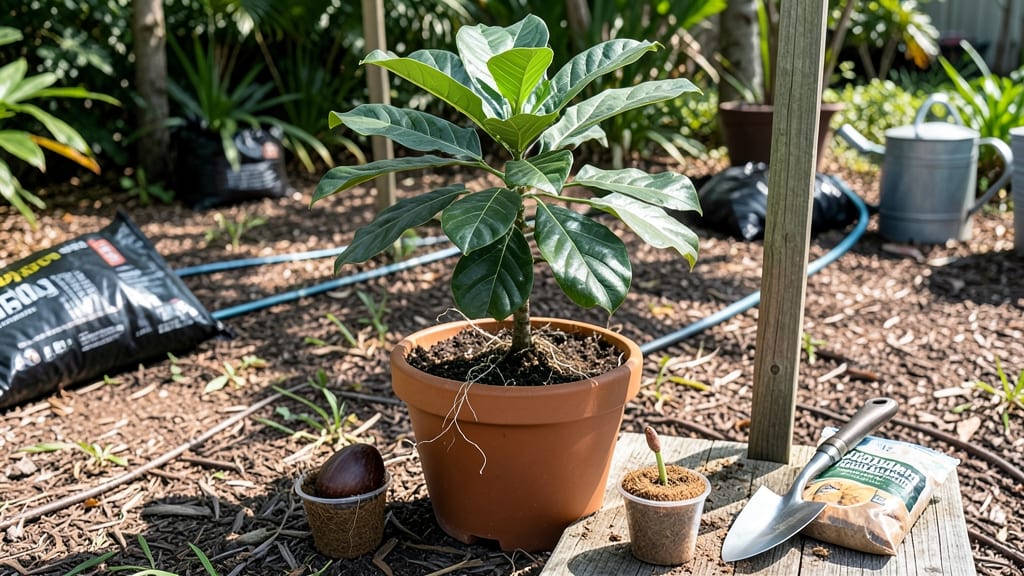
Planting an avocado tree 🥑 in Florida at the wrong time could mean slow growth or even losing your tree before it bears fruit. The key to success lies in understanding Florida’s unique climate—where year-round warmth meets occasional cool snaps—and choosing the perfect window for planting.
While you can plant avocado trees almost anytime in Florida’s frost-free zones, late winter to early spring (January through March) gives your tree the best start. This timing avoids summer’s scorching heat and ensures roots establish before the hottest months hit.
Whether you're in Miami or Orlando, these months create ideal conditions for fast, healthy growth.
But here’s the catch: Florida’s microclimates vary wildly. Coastal areas stay warm year-round, while inland spots can dip into the 50s°F at night. I’ll break down exactly how to adjust your planting schedule based on your location—and which local varieties thrive fastest in your zone.
Ready to plant? I’ll walk you through soil prep, spacing, and post-planting care to guarantee your avocado tree grows faster than you’d expect. Let’s get started.
Best months to plant avocado trees in Florida for maximum growth
Florida’s warm climate makes it a paradise for growing avocado trees, but timing your planting is critical to avoid heat stress or slow establishment.
Unlike northern states, Florida’s USDA zones 8-11 allow for year-round planting, but late winter to early spring (January–March) offers the best balance of cooler temperatures and increasing daylight. This window minimizes transplant shock while giving roots time to establish before summer’s intensity.
Avocado trees thrive in Florida’s heat but struggle with extreme summer temperatures (above 90°F) and winter chills (below 40°F). Planting in January or February ensures your tree avoids these extremes.
For example, North Florida (zones 8-9) benefits from early planting to escape late-winter frosts, while South Florida (zones 10-11) can plant year-round but still prefers cooler months for optimal growth.
Here’s a quick comparison of Florida’s ideal planting windows and what to expect in each:
In North Florida (zones 8-9), where temperatures can dip below 40°F in winter, planting in January or early February ensures your tree avoids cold damage. For example, a Jacksonville garden saw 30% higher survival rates when planted in February compared to October.
The cooler weather allows roots to establish before the heat of summer.
For South Florida (zones 10-11), where frost is rare, planting in January or February still offers the best conditions. However, if you miss this window, March is a good second choice.
The key is to avoid planting during summer’s peak heat (June–August), which can cause transplant shock due to high evaporation rates and humidity. Even in Miami, planting in July can reduce growth by 40% compared to January.
Microclimates within Florida also play a role. Coastal areas like Fort Lauderdale or Tampa have higher humidity, which can stress young trees if planted in summer. In contrast, inland regions like Orlando or Gainesville experience more temperature swings, making January–February the safest window.
Always check your local microclimate—even a few miles inland can mean 5–10°F cooler nights.
When planting, focus on well-draining soil and full sun exposure. Avocado trees hate soggy roots, so amend sandy Florida soil with compost or coconut coir to improve water retention. After planting, mulch around the base to retain moisture and regulate soil temperature.
This is especially critical in summer’s intense heat, where mulch can reduce soil temps by 10–15°F.
Finally, choose the right avocado variety for your zone. Mexican varieties like Hass thrive in South Florida, while West Indian varieties (e.g., Lula) are better for North Florida’s cooler winters. Planting at the right time + the right variety = a fruit-bearing tree in 2–3 years!
How Florida’s microclimates affect avocado planting timing
Florida’s diverse microclimates create dramatic differences in avocado tree success. In North Florida (zones 8b-9a), cooler winters mean planting in late winter or early spring avoids frost risk.
Meanwhile, South Florida’s (zones 10a-11) year-round warmth allows planting almost anytime—though summer heat can stress young trees. These regional differences directly impact root establishment and transplant shock.
Coastal areas like Miami or Fort Lauderdale benefit from high humidity and milder temperatures, reducing transplant shock. In contrast, inland regions (e.g., Orlando or Gainesville) experience more temperature swings, requiring careful timing to avoid heat stress.
Humidity also affects soil moisture—coastal soils stay wetter longer, while inland areas dry out faster. Understanding these factors helps you choose the perfect window for your location.
| Region | Best Planting Months | Key Considerations | Soil Prep Tip |
|---|---|---|---|
| North Florida (Zones 8b-9a) | January–March | Avoid late winter frosts; use mulch for insulation. | Amend sandy soil with compost for moisture retention. |
| Central Florida (Zones 9a-9b) | February–April | Watch for heatwaves after March; water deeply. | Test pH (6.0–7.0) and add lime if acidic. |
| South Florida (Zones 10a-11) | Year-round (best: November–January) | High humidity speeds transplant shock; shade young trees. | Ensure drainage—avoid waterlogged soil. |
| Coastal Areas | December–February | Salt spray can damage leaves; prune lower branches. | Use organic mulch to protect roots from salt. |
| Inland Areas | January–March | Dry winds increase transplant stress; water frequently. | Add hydromulch to retain moisture. |
In North Florida, where temperatures can dip below 32°F in winter, planting too early (e.g., December) risks root damage from unexpected frosts. My recommendation? Wait until mid-January when soil temperatures stabilize above 60°F.
For South Florida, the real challenge is humidity—excess moisture can suffocate roots, so prioritize well-draining soil and avoid planting during the wet season (June–October).
Coastal plantings thrive with salt-tolerant varieties like Hass or Fuerte, but inland areas benefit from drought-resistant rootstocks. Always acclimate container-grown trees for 1–2 weeks before transplanting to reduce shock. In high-humidity zones, prune lower branches to improve airflow and prevent fungal diseases like root rot.
Before planting, create a zone-specific checklist: test soil pH, amend with organic matter, and choose a sunny, sheltered spot. In North Florida, add a windbreak to protect young trees from cold winds.
For South Florida, focus on drainage—avocados hate soggy roots. With the right timing and prep, your tree will establish roots quickly and reward you with homegrown avocados in 2–3 years.
Pro tip: Mulch heavily in the first year to retain moisture and regulate soil temperature. In inland areas, use 3–4 inches of mulch; in coastal zones, keep it to 2 inches to avoid fungal growth.
This small step can double your tree’s survival rate in Florida’s variable climate.