
Plants
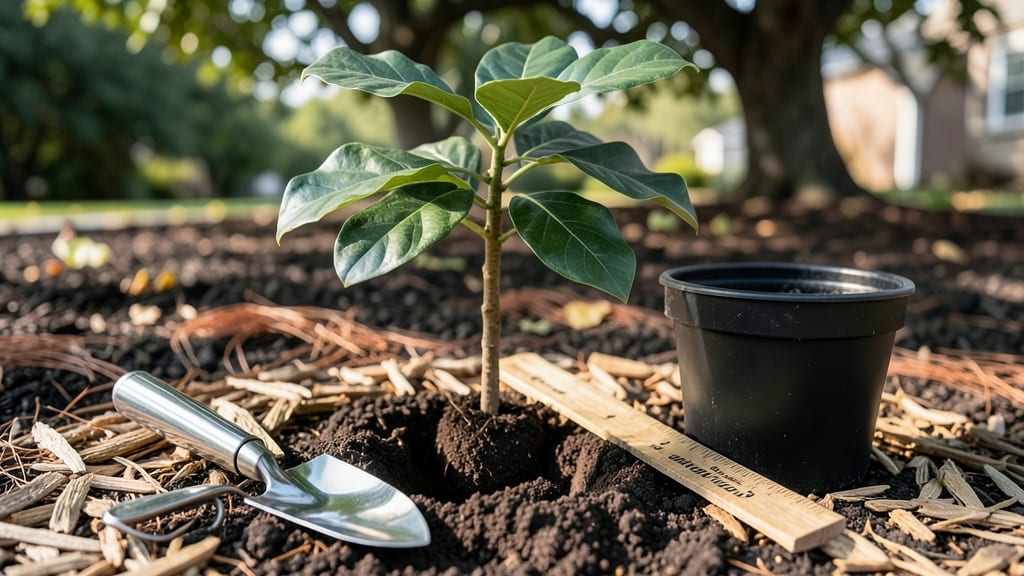
Planting your avocado in the soil at the wrong time could mean the difference between a thriving tree and one that struggles—or even dies. The key to success lies in understanding your local climate and timing it just right, especially in zones like 6a where frost is still a threat.
Most gardeners in Zone 6 wait until April or May—after the last frost—when soil temperatures are consistently warm. But if you plant too early, your young tree could face cold damage, while waiting too long might stunt its growth before summer heat sets in.
I’ll walk you through the exact seasonal cues to watch for, whether you’re planting seeds or young trees, and how to prepare your soil for the best possible start. Let’s get your avocado off to a strong, healthy beginning.
From soil prep to transplanting tips, you’ll learn how to avoid common mistakes and give your tree the best chance to grow tall and fruit-bearing. Ready to plant with confidence?
Best planting months for avocado trees by USDA climate zone
Avocado trees (Persea americana) crave warmth and struggle in cold climates, so timing your planting is critical. In USDA zones 9-11, you can plant year-round, but spring and fall offer ideal conditions.
For zones 8 and below, container growing is your only option—planting outdoors risks frost damage. Let’s break down the perfect windows for your zone to ensure strong root establishment and healthy growth.
In coastal and tropical zones (9-11), avocados thrive with minimal frost risk. The best months are March through May for in-ground planting, when soil warms naturally. Desert zones (10-11) benefit from late winter planting (January-February) to take advantage of spring rains.
Meanwhile, zone 8 gardeners must plant in large containers and move them indoors during winter.
| USDA Zone | Best Planting Window | Soil Temp Requirement | Frost Risk | Growing Method |
|---|---|---|---|---|
| 9-11 (Coastal/Tropical) | March-May (spring) or Sept-Nov (fall) | 60°F+ consistently | Low (none in 11) | In-ground or large containers |
| 10-11 (Desert) | January-February (pre-spring rains) | 55°F+ minimum | None | In-ground with windbreaks |
| 8 (Marginal) | April-May (container only) | 65°F+ minimum | High (frost risk) | 5+ gallon containers |
| 7 and Below | Indoor seed starting (year-round) | 70°F+ for germination | Very high | Containers indoors |
For zones 9-11, focus on spring planting (March-May) when soil temperatures consistently stay above 60°F. This timing aligns with natural rainfall patterns in coastal areas, reducing irrigation needs. In desert zones (10-11), planting in January-February lets you capitalize on spring showers while avoiding summer heat stress.
In zone 8, your only safe option is container growing. Plant in April-May after the last frost date, using a 5-gallon minimum container with drainage holes. Move containers indoors (60°F+) when nighttime temps drop below 45°F. Use a grow light to supplement winter sunlight.
If you’re in zone 7 or below, forget outdoor planting—avocados won’t survive winter. Instead, start seeds indoors in spring (March-April) using a seedling heat mat to maintain 70°F+ soil temps. Transplant seedlings to containers only after all frost risk passes, typically late May in zone 7.
One critical factor across all zones is soil temperature. Use a soil thermometer to confirm readings—avocado roots need 60°F+ to establish. In cooler zones, black plastic mulch can raise soil temps by 5-10°F in spring.
Always plant after the last frost date, even in warm zones, to avoid cold-sensitive root shock.
For container growers, timing matters just as much. Repot young trees in early spring (March-April) to encourage new root growth before summer heat. Use a well-draining cactus/succulent mix amended with perlite to prevent root rot.
In zones 8-11, move containers to sheltered outdoor spaces by May 1 to harden off seedlings.
Remember: Young avocado trees are most vulnerable to transplant shock and temperature swings. If you plant in fall (September-November) in zones 9-11, do so 8-10 weeks before first frost to allow roots to establish. Avoid planting in summer—intense heat can stress young trees, even in warm climates.
Pro tip: Root-bound avocados transplant better in spring because their roots are dormant. If you’re moving a potted tree to the ground, prune 1/3 of the root ball before planting to encourage outward growth. Water deeply immediately after transplanting to reduce shock, and <
How to time your avocado planting for maximum growth success
Timing your avocado planting correctly is the difference between a thriving tree and one that struggles to survive. Since avocados are tropical plants, they demand warm soil temperatures and frost-free conditions to establish strong roots.
Planting too early risks transplant shock or even death from cold snaps, while waiting too long can stunt early growth. Let’s break down the seasonal cues and adjustments you need to make for both container-grown and in-ground planting.
First, focus on soil temperature—avocados won’t thrive until the ground warms to at least 60°F (15°C). Use a soil thermometer to check, especially in cooler zones. Pair this with day length: longer daylight hours (14+ hours) signal the tree’s active growing season.
In USDA Zones 9-11, you can plant year-round, but aim for spring or early summer to align with natural rainfall patterns and avoid summer heat stress.
- Wait for soil temps of 60°F+ (use a thermometer to confirm).
- Plant after last frost—avocados cannot tolerate frost at any stage.
- Adjust for containers: Move pots indoors or to a garage if night temps drop below 50°F (10°C).
- Align with rainfall: Plant during wet seasons in arid zones to reduce irrigation stress.
- Avoid summer planting in hot zones—opt for early spring to establish roots before peak heat.
For in-ground planting, prioritize well-draining soil mixed with compost to prevent waterlogging, which avocados hate. If you’re planting in containers, use a fast-draining potting mix and ensure pots are large enough (at least 18 inches deep) to accommodate their deep root systems.
Container-grown avocados can be planted slightly earlier than in-ground trees because you can move them to protected environments if frost threatens.
Another critical cue is rainfall patterns. In dry climates, plant during the monsoon season or when natural rainfall increases to reduce your watering workload. If you’re in a humid subtropical zone, avoid planting during heavy rain periods to prevent soil erosion around young roots.
Always water deeply after planting to help roots establish, but avoid overwatering, which can suffocate them.
Transplant shock is a major risk, especially for container-grown avocados. To minimize stress, prune any damaged roots before planting and water thoroughly 2-3 times in the first week.
If you’re moving a potted avocado outdoors, harden it off by gradually exposing it to outdoor conditions over 7-10 days before permanent planting. For bare-root seedlings, soak the roots in water for 1-2 hours before planting to rehydrate them.
Finally, pay attention to local microclimates. A spot near a heat-retaining wall or south-facing slope can extend your planting window by 2-4 weeks in cooler zones.
Use mulch (like straw or wood chips) to insulate roots and retain moisture, which is especially helpful in transitional zones like USDA Zone 8. With these cues in mind, you’ll give your avocado the best start possible—no matter where you live.