
Plants
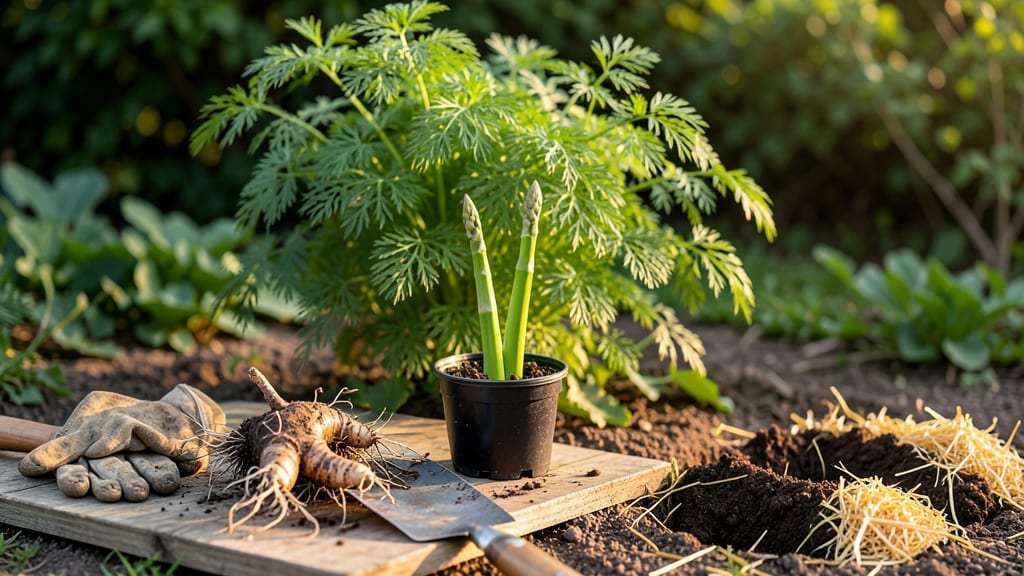
Planting asparagus in Seattle at the right time means the difference between a thriving perennial crop and years of disappointment. Unlike annual veggies, asparagus crowns need a 6-8 week window to establish roots before winter dormancy—so timing is everything in our wet, chilly climate.
Most gardeners in Zone 8a wait until early spring, but Seattle’s unpredictable frost dates and heavy winter rains demand precision. If you plant too late, your crowns won’t root deeply enough to survive our November frosts—and if you go too early, cold soil can stunt growth.
The sweet spot? Late March to mid-April, when soil temps hover around 50°F.
Here’s the game-changer: asparagus doesn’t just reward patience—it rewards proper prep. We’ll cover soil prep tricks to beat Seattle’s clay-heavy dirt, how to adjust for microclimates (like sheltered spots that stay drier), and why WSU Extension’s local guidelines differ from generic planting charts.
Skip the guesswork and get the best harvest window for your Seattle garden. Whether you’re a first-timer or a veteran gardener, these insights will help your asparagus 🌱 thrive for decades—not just seasons.
Ideal planting months for asparagus in Seattle’s climate zones
Seattle’s USDA Zone 8a climate creates a unique challenge for growing asparagus—cool springs, heavy rainfall, and unpredictable frost dates demand precise timing. Planting too early risks frost damage, while waiting too long delays root establishment. The ideal window balances these factors for maximum spear production in years 3-4.
Asparagus crowns thrive when soil temperatures consistently stay above 40°F (4°C)—a threshold Seattle typically hits by mid-March. However, microclimates matter: Urban areas like Capitol Hill warm faster than rural zones like Snohomish County.
Adjust your timing based on your specific location’s last frost date, which can vary by 2-3 weeks across the region.
For early varieties like 'Mary Washington,' aim to plant by late March to give roots time to establish before winter dormancy. Late varieties such as 'Jersey Knight' can tolerate slightly later planting—up to early April—but require extra mulch to protect against Seattle’s wet, chilly winters.
Here’s a quick reference for Seattle’s planting timeline based on microclimates:
Seattle’s persistent rainfall after planting can drown asparagus crowns if soil isn’t properly amended. Aim to plant when rainfall predictions show dry spells for at least 10 days post-planting. Check the National Weather Service’s Seattle forecast for your specific neighborhood—some areas like Magnolia stay soggy longer than West Seattle.
One common mistake is planting asparagus too shallow—6-8 inches deep is critical for crowns to survive Seattle’s wet winters. Deeper planting also helps roots avoid the coldest soil layers near the surface.
Mark your planting spots with stakes or flags to remember where crowns are buried, as spears won’t emerge until year 3.
For container gardening, Seattle’s shorter growing season means you’ll need to plant 1-2 weeks earlier than in-ground beds. Containers warm up faster and drain better, but they’re also more vulnerable to wind and temperature swings. Place pots near south-facing walls or under cloche covers if late frosts threaten.
Remember: Asparagus is a perennial crop that rewards patience. The first year focuses on root establishment, not harvest. By planting in the optimal March-April window, you’ll set up your asparagus bed for 20+ years of production—far longer than most Seattle gardeners’ typical 2-3 year vegetable rotations.
🌱
How to prepare Seattle soil for asparagus success (before and after planting)
Seattle’s heavy clay soil and high rainfall can turn your asparagus patch into a soggy mess if you don’t prep it right. The key is creating a well-draining, nutrient-rich bed that mimics the plant’s native Mediterranean conditions.
Start by testing your soil’s pH level—asparagus thrives in 6.5–7.5, and Seattle’s natural acidity often needs adjustment.
Before planting, clear the area of weeds and loosen compacted soil to a depth of 12 inches. This helps roots penetrate easily and prevents waterlogging, which is deadly for asparagus crowns.
If your soil feels dense, mix in 3–4 inches of compost or well-rotted manure to improve structure and fertility. For clay-heavy spots, consider amending with sand or perlite to boost drainage.
⚠️ Seattle’s Wet Winters Can Rot Asparagus Crowns
Planting too late in April or May risks crown rot from persistent rain. Aim for early March planting when soil temps hit 50°F+—use a soil thermometer to confirm. If your area stays cold, opt for cold-hardy varieties like 'Purple Passion' and mulch heavily to insulate roots.
Once your soil is amended, create raised beds or trenches 6–8 inches deep to plant asparagus crowns. Space them 12–18 inches apart in rows 3 feet apart to allow for future spear growth.
After planting, cover the bed with 2–3 inches of straw mulch to retain moisture and suppress weeds—critical in Seattle’s rainy springs.
After planting, monitor soil moisture closely. Asparagus needs consistent moisture but hates soggy conditions. Water deeply 1–2 times per week (more in summer) and avoid overhead sprinkling to prevent fungal diseases.
In fall, reduce watering as the plant enters dormancy, but keep the soil slightly moist to protect roots during winter.
To prevent winter rot, apply a thick layer of organic mulch (like leaf mold or shredded bark) in late October. This insulates the crowns and regulates soil temperature, which is especially important in Seattle’s cool, wet winters.
In early spring, remove old mulch and replace it with fresh compost to jumpstart growth.
Finally, fertilize lightly in early spring with a balanced 5-10-10 fertilizer to encourage spear production. Avoid heavy nitrogen in the first year—it promotes foliage at the expense of root development.
With the right soil prep, your asparagus will establish strong roots and reward you with thick, tender spears for decades. 🌱