
Plants
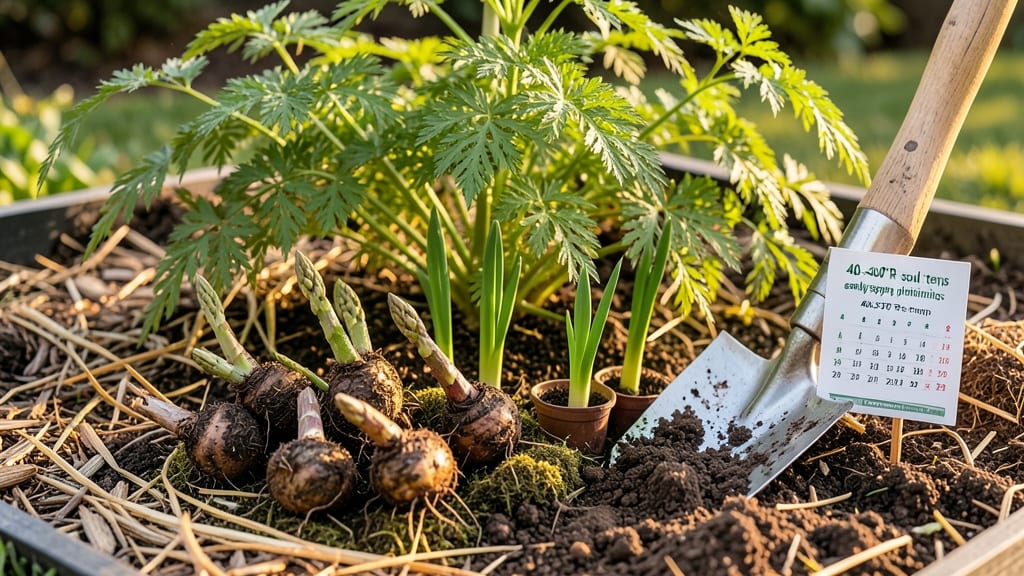
Planting asparagus in Alabama at the wrong time can turn your spring harvest into a frustrating wait—or worse, a total loss. The key to success lies in timing it right, when soil temperatures hit that sweet spot of 50°F+ and frost risks fade away.
For Alabama gardeners in zones 7a-8b, the ideal window opens in February or March, just as the last frost threats retreat. This timing ensures your 🌱 asparagus crowns establish strong roots before summer’s heat arrives, setting you up for a bountiful harvest in April through June.
But here’s the catch: rushing too early can leave young plants vulnerable to late frosts, while waiting too long may stunt growth. I’ll break down exactly when to plant—plus soil prep tips and climate hacks—to help your asparagus thrive in Alabama’s unique growing conditions.
Let’s get your asparagus off to the right start, so you’re enjoying fresh spears instead of waiting years for that first harvest. Ready to dig in?
Best planting months for asparagus in Alabama’s climate zones
Alabama’s USDA zones 7b and 8a create a near-perfect environment for growing asparagus, but timing your planting is critical to avoid late frosts or summer heat stress. The ideal window spans February through March, when soil temperatures consistently reach 50°F or warmer—the minimum needed for root establishment.
Coastal areas like Mobile and Pensacola can start as early as late January, thanks to milder winters, while inland regions like Birmingham or Huntsville should wait until mid-to-late March to avoid unpredictable frost risks. Even a single 28°F night can damage young asparagus crowns.
Here’s a quick reference for Alabama’s planting zones, including first-frost dates, soil temperature requirements, and regional adjustments:
| Zone | Best Planting Window | Soil Temp Requirement | First Frost Risk | Regional Notes |
|---|---|---|---|---|
| 7b (North AL) | Mid-to-late March | 50°F+ | Late November | Wait for consistent warmth; avoid April planting (summer stress risk). |
| 8a (South/Central AL) | Late February–March | 50°F+ | Mid-November | Coastal areas can start January–February; inland areas near Montgomery should delay until March. |
| Coastal (Mobile/Pensacola) | Late January–February | 50°F+ | Early December | Longer growing season allows earlier starts; monitor humidity to prevent fungal issues. |
For maximum yield, aim to plant asparagus 6–8 weeks before your average last frost date. In Alabama, this typically falls between February 15 and March 15, depending on your location. Use a soil thermometer to confirm temperatures—roots won’t establish properly below 50°F.
If you miss the ideal window, you can still plant in early April, but expect a delayed first harvest (often by 1–2 years) and potential heat stress during summer months. Young asparagus crowns are particularly vulnerable to wilting when daytime highs exceed 90°F.
Pro tip: Mulch heavily after planting to retain moisture and regulate soil temperatures. Use straw or pine needles (3–4 inches thick) to protect crowns from temperature swings and suppress weeds. This is especially critical in drier inland zones like Madison or Talladega.
Alabama’s humid summers can also pose challenges, so avoid planting asparagus in May or later. The high heat index and fungal pressure (like rust disease) make establishment nearly impossible. Instead, focus on early spring planting for the best chance at a healthy, productive bed.
Remember: Patience is key with asparagus. While you won’t harvest until year 3, proper timing now ensures decades of productivity. In Alabama’s climate, a well-timed February–March planting can yield spears for 15+ years with minimal care.
🌱
How to choose between crowns and seeds for Alabama planting
When growing asparagus in Alabama, you’ll face a key decision: crowns or seeds. Each method has distinct advantages for Alabama’s humid climate and long growing season. Crowns offer faster, more reliable harvests, while seeds provide variety at a lower upfront cost.
Your choice depends on your patience level, budget, and climate adaptation goals.
Alabama’s USDA zones 7b-8a create unique challenges. Crowns establish roots quickly in warm soil, while seeds struggle with germination delays in Alabama’s spring heat. Understanding these trade-offs ensures your asparagus thrives from day one.
Crowns vs. Seeds: Alabama Planting Comparison
- Faster harvests (2-3 years vs. 3-4)
- Higher survival rate in Alabama heat
- Established roots for immediate growth
- Higher cost ($5-$10 per crown)
- Limited variety options
- Lower cost ($1-$3 per packet)
- More variety options available
- Slower germination (4-6 weeks)
- Lower survival rate in Alabama humidity
- Thinner spears first season
For Alabama’s climate, crowns generally win for first-year success. Plant them in February-March when soil reaches 50°F+. Dig trenches 6-8 inches deep, space crowns 12-18 inches apart, and cover roots with 2 inches of soil.
This method gives you spears in 2-3 years with minimal fuss.
If you choose seeds, start indoors 8-10 weeks before last frost (typically January). Transplant seedlings to the garden in March when night temperatures stay above 40°F. Seedlings need extra care in Alabama’s heat—keep soil consistently moist and provide light shade during peak summer.
Remember, Alabama’s summer humidity can stress young plants. Whether using crowns or seeds, mulch heavily to retain moisture and regulate soil temperature. For seeds, consider row covers during germination to protect from spring rains and pests.
My recommendation? Start with crowns for your first Alabama asparagus bed—they’ll reward you with spears sooner and fewer surprises. Save seeds for experimenting with new varieties after you’ve mastered the basics.