
Plants
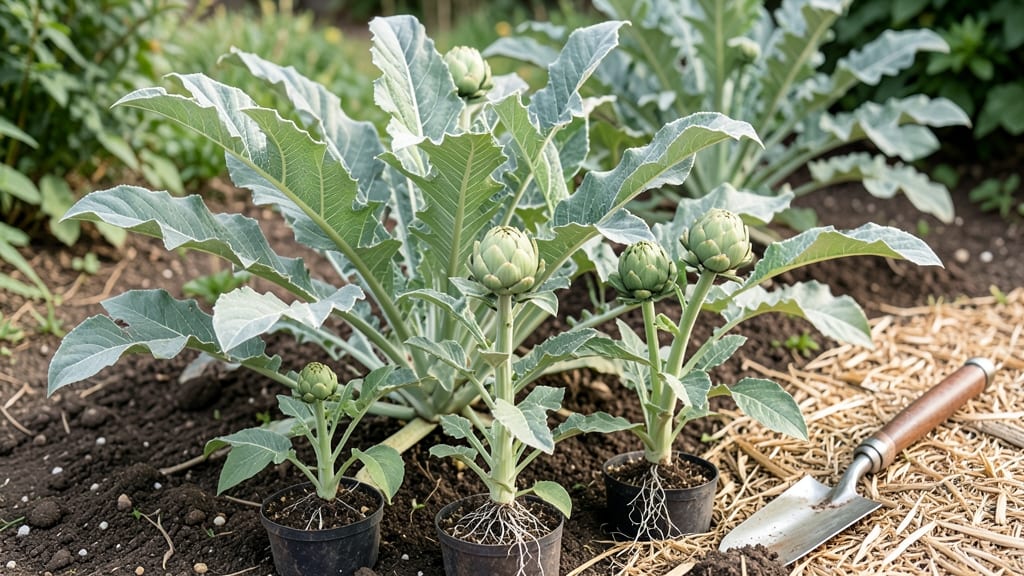
Planting artichokes in Arizona isn’t just about timing—it’s about outsmarting the desert’s 110°F+ heat and unpredictable monsoons before they turn your tender 🌱 into a bolting disaster. The key? Starting them in cool-season windows when temperatures dip just enough to let roots establish without rushing into flower.
Most gardeners in USDA Zone 9b swear by October through December as the sweet spot, but your exact elevation matters. Low desert areas like Phoenix can push planting slightly later, while high desert zones near Flagstaff need to start earlier to avoid late-winter frost.
I’ll break down the exact windows for each microclimate so you can match your artichokes’ growth cycle with Arizona’s quirky weather patterns.
Here’s what you’ll discover: how to stretch your harvest window by 6+ weeks, which varieties handle Arizona’s heat best, and the simple soil tweaks that prevent stress-induced bolting. No more guessing—just science-backed strategies to grow artichokes that thrive in the desert’s extremes.
Ready to transform your garden into a year-round artichoke factory? Let’s dive into the planting schedule that actually works for Arizona’s high, moderate, and low heat zones—so you can enjoy those first harvests by spring without the frustration.
Arizona heat zones: best planting months by elevation & microclimate
Arizona’s diverse climate—from the 115°F+ low desert of Phoenix to the cooler high desert of Flagstaff—creates distinct planting windows for artichokes. The key is timing: plant too early, and heat will stress seedlings; too late, and bolting (premature flowering) ruins your harvest.
For 'Green Globe' and 'Imperial Star' varieties, I’ve broken down the best months by elevation, including frost-free adjustments and heat tolerance thresholds.
Artichokes thrive in USDA Zone 9b, but Arizona’s microclimates demand precision. The low desert (Phoenix/Scottsdale) has fewer frost risks but intense summer heat, while the moderate desert (Tucson) offers a longer cool season.
The high desert (Flagstaff/Sedona) has cooler nights but shorter growing windows. Each zone requires a tailored approach to avoid stress and bolting.
Here’s the critical planting window by elevation: low desert (October–November), moderate desert (September–October), and high desert (May–June for spring or August–September for fall). These schedules align with frost-free dates and heat tolerance thresholds (artichokes bolt above 85°F consistently).
🌱 Visual Guide: Use this comparison table to pinpoint your zone’s ideal planting window, variety recommendations, and heat management tips.
| Zone & Location | Elevation (ft) | Frost-Free Period | Best Planting Months | Recommended Varieties | Heat Tolerance Tip |
|---|---|---|---|---|---|
| Low Desert (Phoenix/Scottsdale) | 1,000–1,500 ft | Nov 15–Feb 15 | October–November | 'Green Globe', 'Imperial Star' | Use shade cloth in summer; mulch heavily. |
| Moderate Desert (Tucson) | 2,500–4,000 ft | Oct 30–Jan 30 | September–October | 'Green Globe', 'Violetto' | Plant near reflective surfaces to cool roots. |
| High Desert (Flagstaff/Sedona) | 5,000–7,000 ft | May 1–Oct 15 | May–June or August–September | 'Romanesco', 'Green Globe' | Extend season with row covers for cooler nights. |
For low desert gardeners, the October–November window is ideal because it avoids the 100°F+ summers while allowing time for roots to establish before winter. Start seeds indoors 6–8 weeks before transplanting to give seedlings a head start.
In moderate desert zones, September planting lets you harvest before the monsoon heat peaks in July.
High desert areas like Flagstaff can attempt spring planting (May–June) for a summer harvest, but August–September is safer to avoid early frost. Use black plastic mulch to warm the soil and row covers to protect tender seedlings from unpredictable nighttime drops below 50°F.
Artichokes bolt (flower prematurely) when stressed by heat or drought, so consistent moisture is critical. In Phoenix, drip irrigation set to run early morning prevents evaporation and keeps roots cool. For Tucson’s moderate climate, mulch with straw to retain moisture and regulate soil temperature.
Pro tip: 'Green Globe' tolerates heat better than 'Imperial Star' but still needs afternoon shade in the low desert. If you’re in Yuma or Tucson, consider succession planting—sow a second batch in late January for a spring harvest before the heat ramps up.
Monitor your plants for yellowing leaves (a sign of heat stress) and loose buds (bolting). If you see these, prune lower leaves to improve airflow and reduce watering slightly to toughen the plant. With the right timing, you’ll enjoy harvests from March to May—just in time for spring feasts!
🌿
Avoiding bolting: cool season planting strategies for Arizona’s unpredictable weather
Arizona’s cool season is short but critical for growing artichokes without bolting. The key is timing your fall/winter plantings to align with the state’s unpredictable temperature swings—especially in low desert areas like Phoenix where nights can drop below 50°F while days stay mild.
Bolting (premature flowering) happens when plants sense long daylight hours or temperature stress, so we’ll focus on bolt-resistant varieties and protective strategies.
Start by selecting artichoke varieties bred for cooler climates, like 'Green Globe' or 'Romanesco'. These handle Arizona’s short cool periods better than heat-sensitive types. Pair them with row covers or cold frames to extend your window—these tools can add 5-10°F of protection when temperatures dip unexpectedly.
Even in USDA Zone 9b, a sudden cold snap can trigger bolting, so preparation is everything.
Step-by-step guide to cool-season success in Arizona:
For high-desert areas (Flagstaff/Sedona), push planting to late August to avoid early frosts. Use black plastic mulch to warm soil and straw mulch to insulate roots. In low desert, prioritize shade cloth during summer to protect young plants from 110°F+ heat, even if you’re planting for winter harvests.
Pro tip: Monitor your local microclimate—urban areas like Tucson can be 5°F warmer than rural spots. Use a soil thermometer to track temps; artichokes bolt when soil temps drop below 45°F or spike above 85°F.
With these strategies, you’ll avoid the #1 mistake Arizona gardeners make: planting too late and ending up with bitter, bolted artichokes instead of tender globes.
🌱