
Trees
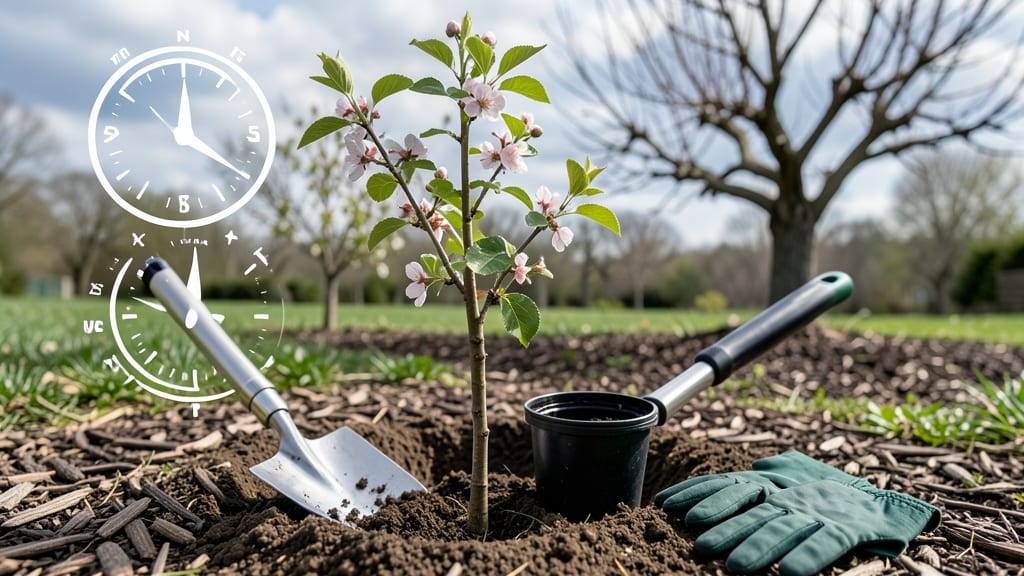
Planting an apple tree in Zone 5 at the wrong time can turn your dream orchard into a frost-killed disappointment—but getting the timing right means bountiful harvests for years to come. The key lies in understanding when your local climate actually allows roots to establish before winter sets in.
For Zone 5 gardeners, the ideal windows are late April through early May (after the last frost) or September through early October when soil temperatures stay warm enough for root growth. These periods give young 🍎 trees the best chance to thrive before winter dormancy kicks in.
I’ve learned the hard way that planting too early risks frost damage, while waiting too long can leave trees struggling to root before cold weather arrives. The solution? Match your variety to Zone 5’s chill hours and plant during those precise windows for maximum success.
In this guide, I’ll break down exactly when to plant—whether you’re working with bare-root saplings or container-grown trees—and how to prepare your soil for reliable growth in Zone 5’s unpredictable climate.

Optimal planting windows in Zone 5: spring vs fall timing for apple tree varieties
Zone 5 gardeners face a critical decision when planting apple trees: spring or fall? The answer depends on soil temperatures, frost dates, and your tree’s dormancy requirements. In my experience, both windows work—but each has unique advantages and risks for Zone 5’s 140 frost-free days.
Spring planting (late April–early May) lets roots establish before summer heat, while fall planting (September–early October) gives trees time to harden off before winter. I’ve seen both methods succeed, but fall planting often yields stronger root systems by next spring when buds swell.
The key is matching your apple variety’s chill hours to Zone 5’s winter cold.
Here’s the crucial comparison—when to plant for maximum survival and fruit production in our unpredictable climate:
| Planting Window | Best Months (Zone 5) | Soil Temp Requirement | Frost Risk | Root Establishment | Best For |
|---|---|---|---|---|---|
| Spring Planting | Late April–Early May | 45–55°F (7–13°C) | Low (after last frost) | Moderate (6–8 weeks) | Bare-root trees, early bloomers |
| Fall Planting | September–Early October | 50–60°F (10–16°C) | Moderate (first frost risk) | Strong (8–10 weeks before freeze) | Container-grown, high-chill varieties |
⚠️ Zone 5 Tip: Plant 6–8 weeks before your first frost in fall to allow root establishment.
For spring planting, I recommend waiting until after the last frost date (mid-May) in Zone 5. This gives young roots time to establish before summer’s heat stress. Bare-root trees are ideal for spring—they wake from dormancy with the soil and grow vigorously.
However, early spring plantings (March) risk late frosts damaging tender new growth.
Fall planting, my preferred method, aligns with nature’s cycle. When you plant in September–October, roots grow slowly but deeply before winter dormancy. This head start means faster spring growth and better fruit set. Just ensure the ground isn’t frozen—50–60°F soil is perfect for root development.
Your apple variety also dictates timing. High-chill varieties (like McIntosh) thrive with fall planting, while low-chill types (such as Honeycrisp) can handle spring’s warmer soils. Always check your tree’s chill-hour requirements—Zone 5 typically provides 800–1,200 chill hours, so match accordingly.
One mistake I’ve seen is planting too late in fall. If you miss the September–early October window, roots may not harden before first frost (mid-October).
Similarly, spring plantings after early May risk summer drought stress. Use a soil thermometer to confirm temperatures—45°F+ is ideal for spring, 50°F+ for fall.
Pro tip: Mulch heavily (3–4 inches) after planting to insulate roots. In spring, use straw mulch to retain moisture; in fall, wood chips protect against freeze-thaw cycles. Water deeply once a week for the first month post-planting, regardless of season.
Remember, Zone 5’s short growing season demands precision. Whether you choose spring’s controlled conditions or fall’s natural dormancy prep, timing your apple tree planting to match soil warmth and frost patterns will set you up for decades of harvests. 🍎
Chill-hour requirements by apple variety: matching trees to Zone 5’s winter climate
Zone 5 gardeners know the struggle—planting an apple tree that blooms too early and gets fried by late frost, or worse, never sets fruit because winter wasn’t cold enough.
The solution? Matching chill-hour requirements to your local climate. Most Zone 5 areas accumulate 800-1,200 chill hours annually, but some varieties need more—or less—to break dormancy correctly.
Understanding these needs helps you avoid early bloomers that risk frost damage or late bloomers that miss pollination windows. For example, Honeycrisp thrives in Zone 5 with 800-1,000 chill hours, while Fuji demands 1,000-1,200 hours, pushing its limits in colder Zone 5b areas.
Let’s break down the best varieties for reliable fruit production in your region.
| Variety | Chill Hours Needed | Zone 5 Fit | Bloom Time | Frost Risk |
|---|---|---|---|---|
| Honeycrisp | 800-1,000 | Excellent (Zone 5a-5b) | Mid-season | Low (blooms after last frost) |
| Fuji | 1,000-1,200 | Borderline (Zone 5b only) | Late-season | Moderate (needs cold winters) |
| McIntosh | 600-800 | Best for Zone 5a | Early-season | High (blooms very early) |
| Gala | 700-900 | Reliable (Zone 5a-5b) | Mid-season | Low (consistent bloomer) |
| Granny Smith | 500-700 | Zone 5a only | Very early | Very high (needs protection) |
If you’re in Zone 5a (colder winters), stick to McIntosh or Granny Smith—they bloom early but thrive with your chill hours.
For Zone 5b (warmer winters), Honeycrisp or Gala are safer bets. Fuji, while delicious, may struggle unless you live in the warmer end of Zone 5b and can provide extra winter protection.
Pro tip: Check your local last frost date (typically mid-May in Zone 5) and plant varieties that bloom 2-3 weeks after to avoid frost damage.
For example, Honeycrisp blooms in late May, while McIntosh blooms in early May—plant the latter only if you’re willing to risk frost cloth or a fan for early blooms.
Remember, even the best-matched variety can fail if planted at the wrong time. Pair your chill-hour needs with the right planting window (early spring or fall) to give roots time to establish before dormancy kicks in. With the right match, you’ll be picking apples instead of pulling out failed saplings!