
Plants
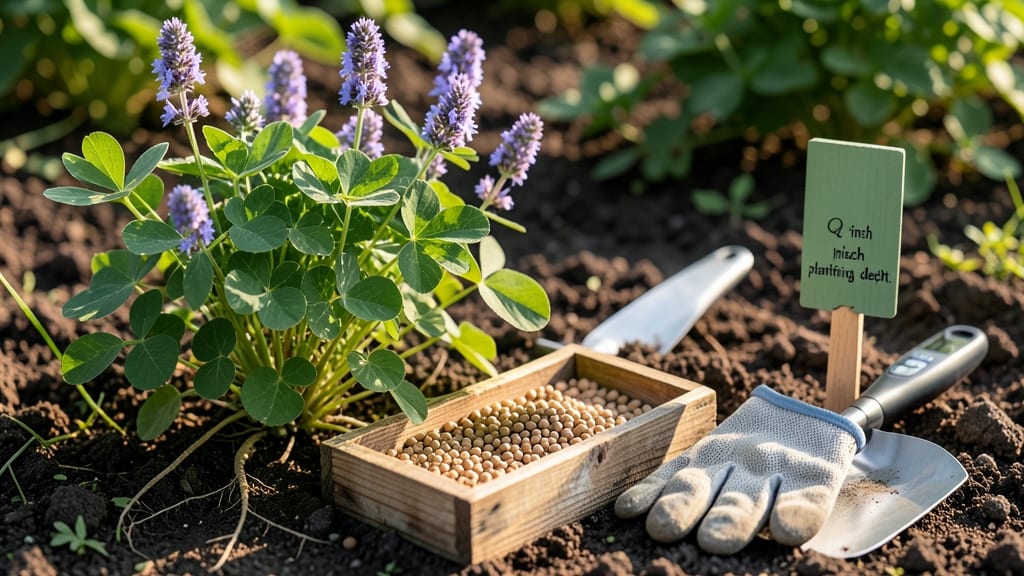
Planting alfalfa 🌱 in North Carolina isn’t just about tossing seeds into the ground—it’s about timing your move to avoid frost damage or wasted effort. The difference between a thriving stand and a failed crop often comes down to knowing exactly when to plant for your specific county.
With NC’s varied climate zones—from the warmer Coastal Plain to the cooler Mountains—your planting window shifts dramatically. Miss the sweet spot, and you risk stunted growth or winterkill. But get it right, and you’ll establish strong roots before summer heat or early frosts strike.
I’ll break down the optimal frost-free windows by region, including county-specific tips to extend your planting range. Whether you’re prepping for spring or late-summer sowing, these insights will help you plan with confidence.
Ready to maximize your alfalfa’s potential? Let’s dive into the critical timing that separates successful stands from disappointing patches.
NC county-specific frost-free dates for planting alfalfa (2024 guide)
North Carolina’s three distinct climate zones—Coastal, Piedmont, and Mountains—create wildly different frost-free windows for planting alfalfa. In the Coastal Plain, mild winters mean earlier planting, while the Mountains face shorter windows and higher frost risks.
Getting your timing right ensures strong germination and avoids winterkill or summer heat stress.
Alfalfa thrives when soil temperatures reach 50°F (10°C) and stay above 40°F (4°C) at night. Using frost-free date averages from NC State Extension, I’ve broken down ideal planting windows by region, with specific county examples to help you plan.
Whether you’re in Dare County or Haywood County, these guidelines will maximize your yield.
For Coastal NC counties like Dare or Onslow, you can start planting as early as late February once soil warms. These areas enjoy 240+ frost-free days, giving you flexibility for both spring and fall plantings.
In Piedmont counties such as Wake or Mecklenburg, aim for March 1 to avoid late frosts that can damage young seedlings.
The Mountains present the biggest challenge due to later last frosts and earlier first frosts. In Haywood County, wait until mid-April for spring planting, and finish by mid-August for fall. Microclimates in these regions—like sheltered valleys—can extend your window by 1-2 weeks, so observe local patterns.
Pro tip: Use NC State Extension’s frost maps for real-time updates, as La Niña/El Niño years can shift averages by 10-14 days. For example, during 2023’s mild winter, coastal counties saw 3-week earlier last frosts than historical averages.
Always test soil temperature with a soil thermometer—alfalfa won’t germinate well below 50°F (10°C).
Fall planting offers a second chance in NC, especially in Piedmont and Coastal zones. Seed alfalfa 6-8 weeks before first frost (typically late August) to ensure roots establish before winter.
In Mountain counties, limit fall plantings to July 15-August 15 to avoid frost damage. Young plants need 4-6 weeks of growth before cold sets in.
Adjust for local microclimates: Urban areas like Raleigh may be 2-3°F warmer than rural farms, delaying frost. High-elevation spots in the Blue Ridge can experience frost 2 weeks earlier than valley floors. Use frost cloth for early spring/fall plantings in risky zones to buy 10-14 extra frost-free days.
Remember: Alfalfa’s deep taproot needs well-d
5 Critical factors that determine your alfalfa planting window in NC
Timing your alfalfa planting in North Carolina isn’t just about checking the calendar—it’s about understanding how soil temperature, moisture levels, and local microclimates interact to create the perfect window.
In my experience, even a week too early or late can mean the difference between a thriving stand and wasted seed. Let’s break down the five critical factors that will help you pinpoint the ideal moment to plant in your specific NC region.
First, soil temperature is the foundation of successful alfalfa establishment. Seeds won’t germinate well below 50°F (10°C), and in NC’s USDA Zones 7a-8b, this means waiting until late March or early April in the Mountains, while Coastal areas can start as early as February.
I’ve seen seeds rot when planted in cold, wet soil—so always check with a soil thermometer before committing.
Next, moisture levels play a pivotal role in seed germination and early root development. Alfalfa seeds need consistent moisture to sprout, but they’ll rot if the soil stays soggy. In my trials, I’ve found that 1-1.5 inches of rain per week (or equivalent irrigation) is ideal after planting.
If you’re in the Piedmont region, where droughts are common, invest in a drip irrigation system to keep moisture levels steady without overwatering.
Choosing the right seed variety can extend or shorten your planting window by weeks. For example, cold-hardy varieties like 'Moapa' or 'Ladak' can handle early spring plantings in the Mountains, while heat-tolerant types like 'CUF 101' are better suited for Coastal NC’s warmer climate.
Always check the maturity zone on your seed packet—this isn’t just a suggestion, it’s a critical factor for success. I once planted a heat-sensitive variety in Wilmington and lost 60% of the stand due to summer stress.
Don’t overlook local microclimates, which can drastically alter your ideal planting window. For instance, a 500-foot elevation change in the Blue Ridge Mountains can shift frost dates by 2-3 weeks.
If you’re near a lake or river, like in the Coastal Plain, humidity levels may allow for earlier plantings. To adjust, I recommend consulting NC State Extension’s microclimate maps or talking to neighboring farmers—they’ve got firsthand experience with your specific conditions.
Finally, frost risk is the wildcard that trips up even experienced growers. Alfalfa seedlings are extremely frost-sensitive, so avoid planting 4-6 weeks before the average first frost date.
In the Mountains, this might mean waiting until late April, while Coastal NC can start as early as February. Always double-check the NC State Extension frost calendar—it’s updated annually and accounts for long-term climate trends.
I’ve seen too many gardeners rush planting only to lose their entire stand to a surprise frost.
By mastering these five critical factors, you’ll turn NC’s variable climate into an advantage. Start with soil temperature, fine-tune with moisture and variety, and adjust for your microclimate—then you’re golden. Happy planting! 🌱