
Planting
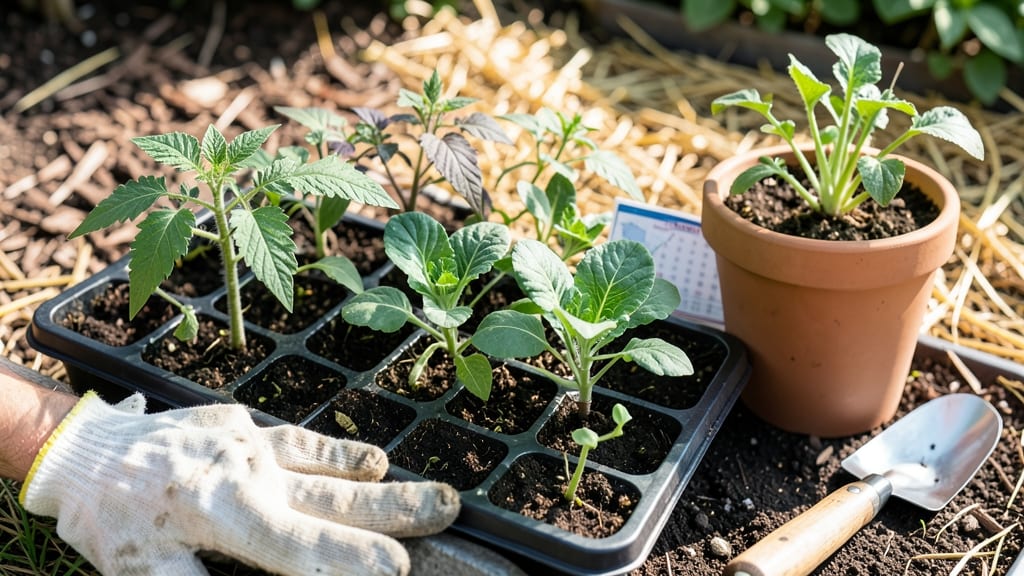
Timing when to plant a vegetable garden in Mississippi isn’t just about following a calendar—it’s about beating unpredictable frost dates that can wipe out your hard work in a single night.
Whether you're in the Delta’s humid lowlands or the Hills’ cooler uplands, planting too early risks losing seedlings to late frosts, while waiting too long means missing peak harvests when summer heat arrives.
I’ve spent years testing the best windows for Mississippi’s 8a zone, and the secret lies in understanding your county’s specific frost risks. For example, while some areas can start cool-season crops like lettuce by late February, others should wait until early April to avoid frost damage.
The key is knowing your region’s last frost date—and how to work around it.
In this guide, I’ll break down the exact planting windows for spring and fall gardens, including which vegetables thrive in Mississippi’s heat and which need cooler weather.
You’ll learn how to stretch your growing season with simple tricks, like using row covers or planting heat-tolerant varieties, so you can enjoy fresh tomatoes and peppers well into November.
Ready to turn your garden into a year-round harvest? Let’s dive into the county-specific deadlines that will help you plant with confidence—no more guesswork, just more homegrown food on your table.
Mississippi’s frost dates by region: when to plant cool-season vs. warm-season vegetables
Mississippi’s diverse climate—from the humid Delta region to the milder Gulf Coast—means frost dates vary dramatically by county. Understanding these last frost dates is key to avoiding lost crops.
For example, cool-season crops like lettuce and peas thrive in the Delta’s early spring, while warm-season tomatoes need to wait until after the Hills’ last frost in April.
In the Delta region (counties like Yazoo and Bolivar), the average last frost falls around March 15, giving gardeners a shorter window for early planting.
Meanwhile, the Gulf Coast (e.g., Hancock and Harrison) often sees its last frost as early as February 28, allowing for earlier starts. The Hills region (like Madison and Rankin) typically has a last frost around March 31, balancing the two extremes.
Timing isn’t just about frost—it’s also about soil temperatures. Warm-season crops like peppers and squash need soil to reach 60°F+ before planting. In the Delta, this often means waiting until mid-April, while the Gulf Coast can start as early as late March.
Cool-season crops, however, can handle cooler soil and should be planted 4-6 weeks before the last frost date.
| Region | Last Frost Date | First Frost Date | Best Time to Plant Cool-Season Crops | Best Time to Plant Warm-Season Crops |
|---|---|---|---|---|
| Delta (Yazoo, Bolivar) | March 15 | November 15 | February 1 - March 15 | April 15 - May 1 |
| Hills (Madison, Rankin) | March 31 | November 1 | February 15 - March 31 | April 1 - April 15 |
| Gulf Coast (Hancock, Harrison) | February 28 | December 15 | January 15 - February 28 | March 15 - March 31 |
For cool-season crops like broccoli and spinach, aim to plant 4-6 weeks before your region’s last frost. In the Delta, this means starting seeds indoors by mid-January, while the Gulf Coast can direct-sow as early as January 15. Succession planting every 2 weeks ensures a steady harvest.
Warm-season crops like tomatoes and peppers are frost-sensitive and should only go in the ground after the soil warms to 60°F+. In the Hills, this typically aligns with mid-April, while the Delta waits until early May.
Use row covers or cold frames to extend the season if needed.
Mississippi’s first frost dates also vary—count on November 15 in the Hills and December 15 on the Gulf Coast. This means fall planting of cool-season crops should start by August 15 in the Delta and July 31 on the Coast. Kale and carrots are excellent choices for late-season harvests.
Pro tip: Use frost cloth or black plastic mulch to warm soil faster in early spring. This can push your warm-season planting window back by 1-2 weeks, especially in frost-prone counties like Holmes or Quitman. Always check local weather forecasts for real-time adjustments.
Remember, Mississippi’s microclimates mean your neighbor’s frost date might not match yours. Elevations, water bodies, and urban heat islands all play a role. For example, Jackson’s urban areas often warm up faster than rural Hinds County. When in doubt, use a soil thermometer to confirm readiness.
Start planning now! Cool-season crops like lettuce and radishes can be sown as early as January on the Coast, while tomatoes and squash should wait until after April 15 in the Delta. With these region-specific deadlines, you’ll avoid the heartbreak of frost-killed seedlings and maximize your harvests.
Best vegetables to plant in Mississippi by season: a month-by-month planting calendar
Timing your vegetable garden in Mississippi means balancing early spring greens with heat-loving tomatoes—both thrive when planted at the right moment. The key? Understanding the 30-day rule for frost-sensitive crops like peppers and eggplants, which need to mature before summer’s brutal heat sets in.
My garden’s best harvests come from aligning plantings with Mississippi’s two distinct growing seasons: cool-season crops in spring/fall and warm-season staples in summer.
Start with cool-season vegetables like lettuce and spinach in late winter, then transition to warm-season powerhouses like okra and sweet potatoes by late April. Fall planting begins in August, giving crops like broccoli and kale time to mature before the first frost—typically around mid-November in most counties.
Below, I’ve broken down the exact months to plant each vegetable, adjusted for Mississippi’s three distinct climate zones.
📅 Mississippi Vegetable Planting Calendar
- February-March: Sow cool-season crops like peas, spinach, and lettuce 4-6 weeks before last frost (late February in Gulf Coast, early March in North MS). Use row covers for early starts.
- April-May: Plant warm-season staples (tomatoes, peppers, squash) after soil reaches 60°F—typically mid-April in South MS, early May in North MS. Follow the 30-day rule for frost-sensitive plants.
- June-July: Direct-sow heat-tolerant crops like okra, sweet potatoes, and southern peas. Mulch heavily to retain moisture during summer’s peak heat.
- August-September: Begin fall planting with broccoli, cabbage, and kale 8-10 weeks before first frost. Use shade cloth to protect seedlings from intense afternoon sun.
- October-November: Extend harvests with cold-hardy greens like collards and mustard greens. Cover with frost blankets if temperatures dip below 28°F.
For short-season varieties, like bush beans or radishes, I plant successive crops every 2-3 weeks from March to September. This ensures a steady harvest without overwhelming my garden space. For example, I sow radishes every 10 days in spring for continuous harvests—each batch matures in just 25 days.
The trick is to match the plant’s days to maturity with your county’s frost-free window.
Mississippi’s Gulf Coast region (e.g., Jackson County) enjoys a longer growing season, allowing for earlier spring plantings and later fall harvests. Meanwhile, North Mississippi (e.g., Tippah County) faces earlier frosts, so I opt for faster-maturing varieties like ‘Early Girl’ tomatoes (55 days) instead of ‘Celebrity’ (70 days).
Always check your local USDA zone—most of Mississippi falls in Zone 7b-8a, but microclimates vary.
Don’t forget to prep your soil 2-3 weeks before planting. In Mississippi’s clay-heavy soils, I mix in compost and sand to improve drainage. For container gardening, use lightweight potting mix with added perlite.
Water deeply after planting—1-2 inches per week—and mulch to retain moisture during our dry summer months. 🌱
Pro tip: Mark your calendar for Mississippi’s average frost dates—typically March 15 (last frost) and November 15 (first frost)—but be ready to adjust. In 2023, North MS saw frost as late as April 5, so always have frost cloth on hand for sensitive seedlings.
With this timeline, my garden yields tomatoes until October and greens through December in mild winters. 🍅