
Planting
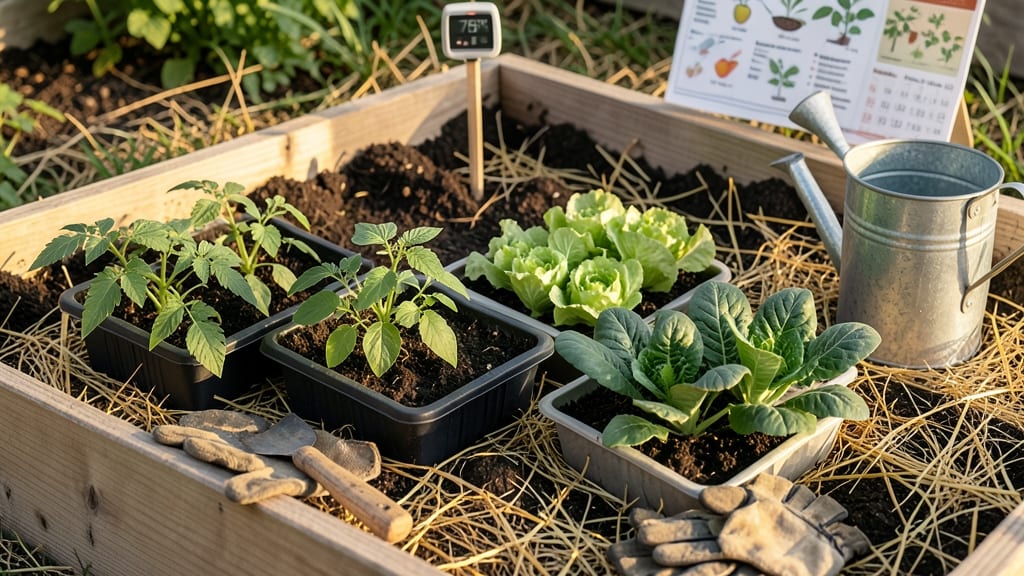
Planting your garden in North Carolina at the wrong time could mean the difference between a bountiful harvest and a sad, frost-bitten disappointment. With USDA zones 7a-8b and regional microclimates that range from coastal warmth to mountain chill, timing is everything for your 🌱 general garden vegetables.
You’ve probably heard the rule about waiting until after the last frost—but in NC, that date shifts dramatically depending on whether you’re in the Piedmont, mountains, or near the coast.
Too early, and a surprise freeze will wipe out tender seedlings. Too late, and summer heat will rush in before your tomatoes or peppers have a chance to mature.
I’ve spent years tracking frost dates and testing planting schedules across the state, and what I’m about to share will help you avoid common mistakes. Whether you’re a first-time gardener or a seasoned pro, these region-specific tips will give your garden the best possible start.
Ready to learn exactly when to plant for peak yields in your corner of North Carolina? Let’s dive into the frost dates, soil temps, and planting windows that make all the difference.
NC frost dates by region: critical planting windows for vegetables & flowers
North Carolina spans USDA Hardiness Zones 7a-8b, but its microclimates create dramatic differences in frost timing. The coastal plain often enjoys 2-3 weeks earlier last frosts than the mountains, while the Piedmont falls in between. Understanding these critical windows prevents frost damage and maximizes your harvest.
For most NC regions, spring planting begins after the average last frost, typically between mid-March (coastal) and late April (mountains). Fall planting, however, must account for the first frost, which can arrive as early as mid-October in the mountains or hold off until November in the coast.
These variations mean your planting schedule should adjust based on elevation and proximity to water.
Here’s a region-by-region breakdown of NC’s frost dates, including frost-tolerant crops and adjustment tips for early or late seasons. Use this as your planting calendar to avoid common mistakes like over-planting heat-sensitive crops too early or missing the window for fast-growing varieties.
🌱
If you’re in the coastal plain, you can plant cool-season crops like broccoli or kale as early as February under frost cloth. Meanwhile, mountain gardeners should wait until after April 15 for tomatoes and peppers, as late frosts are common.
The Piedmont offers a balanced window, ideal for succession planting of lettuce or radishes every 2 weeks.
For heat-loving crops like okra or sweet potatoes, coastal areas can plant in late February, while mountain regions should wait until mid-May. Always check soil temperatures—most vegetables need 60°F+ soil to germinate, and cool-season crops thrive below 75°F. Use a soil thermometer to confirm readiness.
Adjust your schedule if your area experiences early or late frosts. For example, if your last frost arrives 2 weeks late, delay planting heat-sensitive crops like cucumbers or squash by the same amount.
Conversely, if frost comes early, prioritize fast-maturing varieties or use row covers to extend the season.
Pro tip: Bookmark the NC State Extension’s Frost/Freeze Forecast (https://climate.ncsu.edu/frost
How to extend your NC gardening season: cold frames, row covers & succession planting
North Carolina’s short growing seasons in the mountains and long summers in the coastal plains both present challenges. The good news? With the right tools and techniques, you can extend your harvests by weeks—or even months.
I’ve used cold frames, row covers, and succession planting to push my garden’s limits, and here’s exactly how to do it.
Cold frames and row covers act like mini-greenhouses, trapping heat and shielding plants from frost. For example, a clear plastic cold frame can raise soil temperatures by 10-15°F, letting you plant spinach and lettuce as early as February in the Piedmont.
Meanwhile, frost cloth (rated by season length) can protect tender crops like tomatoes and peppers until the last frost date.
For late-season extensions, focus on heat-tolerant varieties. In southern NC, where summers last until October, I plant ‘Black Beauty’ sweet potatoes in June for harvests in September-October. Pair this with drip irrigation to keep roots cool during 90°F+ days.
Pro tip: Combine methods for maximum results. For example, use a cold frame to start basil in March, then transplant it under row cover until May.
This gives you 3 months of fresh basil instead of just 2. Just remember to ventilate covers on warm days to prevent overheating.
Don’t let NC’s climate limit your garden’s potential. With these season-extending tricks, you’ll enjoy fresh produce year-round—even in the coolest mountain valleys or hottest coastal plains.
Start small with one technique, then expand as you gain confidence. Your future self (and your dinner table) will thank you! 🌱