
Planting
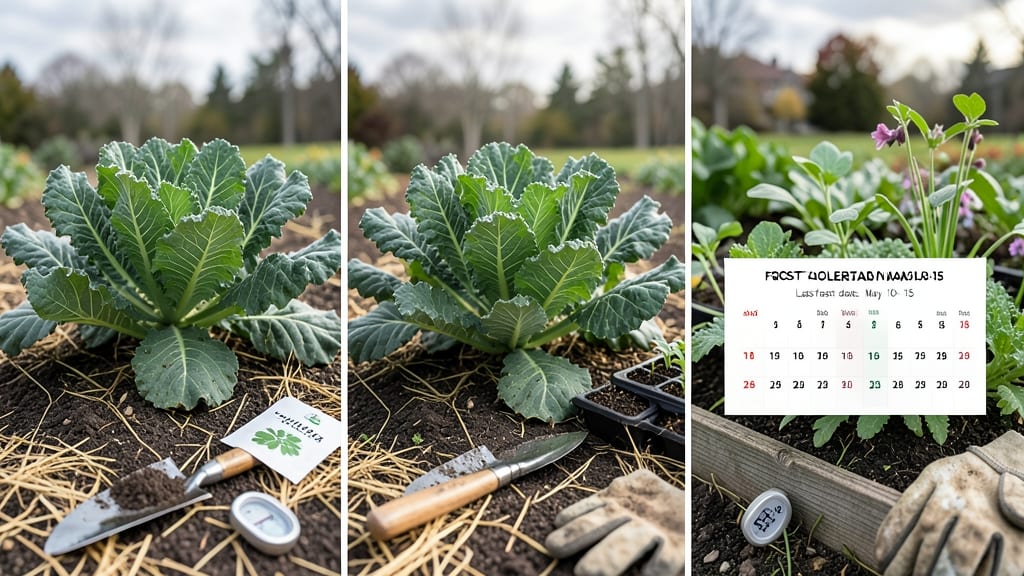
Planting your Minnesota garden at the wrong time could mean the difference between a bountiful harvest and wilted seedlings—especially when frost dates shift from 3b to 5b across the state. The key isn’t just guessing when to plant General Garden Plants 🌱; it’s understanding your county’s unique frost window to avoid costly mistakes.
Minnesota’s planting seasons aren’t one-size-fits-all. While southern counties might see their last frost by April 20th, northern areas can linger until May 15th—a delay that could ruin early crops.
I’ll break down the exact windows for cool-season veggies (like peas and spinach) versus warm-season stars (tomatoes and peppers), so you can time it perfectly.
Beyond frost dates, soil temperature and microclimates play a huge role. Urban heat islands warm up faster than rural fields, while highland areas stay colder longer. You’ll learn how to adjust planting schedules based on your specific location—plus pro tips for extending seasons with row covers and cold-hardy varieties.
Ready to stop second-guessing and start planting with confidence? Let’s dive into the science-backed timing that’ll give your General Garden Plants 🌱 the best shot at thriving—no matter where you are in Minnesota.
Minnesota frost dates by county: when to plant cool vs warm-season crops
Minnesota’s frost dates vary dramatically from north to south, making precise planting timing essential for success. The last spring frost can arrive as early as April 15 in southern counties but linger until May 20 in the northern regions.
Meanwhile, the first fall frost arrives in early September in the north but can wait until mid-October in the south.
These variations mean your cool-season crops like peas and lettuce can thrive in early spring, while warm-season crops like tomatoes and corn need to wait until all danger of frost has passed.
To avoid costly mistakes, I rely on data from the MN State Climatology Office, which tracks historical frost patterns by county. Using these averages, you can align your planting schedule with your specific location.
For example, southern Minnesota gardeners can start warm-season crops in late April, while northern gardeners should wait until mid-to-late May. Below, I’ve broken down frost dates and planting windows for key Minnesota counties to help you plan with confidence.
Comparison Table of frost dates and planting windows for Minnesota counties:
For cool-season crops like peas, spinach, and broccoli, planting early is key—some varieties can even handle light frosts. In southern Minnesota, I start seeds indoors in late February for an early spring harvest, while in northern regions, waiting until mid-April ensures survival.
These crops thrive when soil temperatures reach 40°F (4°C), so always check with a soil thermometer before planting.
Warm-season crops like tomatoes, peppers, and corn need to wait until after the last frost, but they also require consistent warm soil.
In southern counties, I plant tomatoes around May 15, but in northern areas, I delay until June 1 to avoid transplant shock from cold soil. For extra protection, I use black plastic mulch to warm the soil faster, especially in cooler regions.
Don’t forget about fall planting! Many crops like kale, carrots, and radishes can be sown as early as mid-August in southern Minnesota, while northern gardeners should wait until early September. The goal is to
How to adjust planting timing for Minnesota’s microclimates and soil conditions
Minnesota’s diverse landscapes—from urban heat islands to northern highlands—create unique microclimates that can shift planting windows by weeks. Even within the same county, a lowland garden might be 5°F warmer than a hilltop plot, drastically affecting when you can plant tomatoes or peppers.
Understanding these variations lets you extend your growing season and avoid costly mistakes.
Soil temperature is just as critical as air temperature. Cold soil can stunt seed germination or delay transplant growth, even if daytime temps feel warm. For example, cucumbers need soil at 60°F+ to thrive, while spinach can handle 40°F+ soil.
I’ve learned to use a soil thermometer to confirm readiness—especially in clay-heavy soils that warm up slower than sandy loam.
- 1. Urban vs Rural: Cities like Minneapolis stay 3–5°F warmer than rural areas. Plant warm-season crops 1–2 weeks earlier in urban zones.
- 2. Highland vs Lowland: High elevations (e.g., North Shore) delay planting by 10–14 days. Use cold-hardy varieties like ‘Early Girl’ tomatoes or ‘Sugar Anne’ peas.
- 3. Soil Warming: Black plastic mulch raises soil temps by 5–10°F. Lay it down 2 weeks before planting peppers or eggplants.
- 4. Row Covers: Extend spring by 3–4 weeks with floating row covers. Remove them when flowers appear to prevent pollination issues.
- 5. Fall Planting: Lowland areas can plant kale or carrots until September 15, while highlands should stop by September 1.
For urban gardeners, leverage heat-retaining surfaces like brick walls or dark containers to create microclimates. I’ve seen container-grown tomatoes ripen 2 weeks earlier near south-facing walls. Meanwhile, rural farmers in Zone 3b should prioritize fast-maturing varieties like ‘Early Frost’ beans or ‘Quick Pick’ cucumbers to beat early frosts.
Don’t overlook wind exposure, which can stress young plants. In open fields, use windbreaks like cornstalks or evergreen shrubs to protect delicate seedlings.
I’ve also had success with low tunnels (hoop houses with row covers) to trap heat and shield plants from late-spring frosts that can hit as late as May 20 in northern Minnesota.
Test your soil’s drainage and pH—compacted or waterlogged soils stay cold longer. Amend with compost or perlite to improve warmth retention. For acid-loving plants like blueberries, adjust pH to 4.5–5.5 and plant in raised beds to avoid soggy roots.
A simple percolation test (pouring water into a hole) will reveal if your soil drains too slowly.
Finally, track your local frost history using the MN State Climatology Office or Almanac tools. I keep a gardening journal to note when my last frost occurs—sometimes it’s May 10 in one year and June 1 the next.
By combining these adjustments, you’ll turn Minnesota’s challenges into opportunities for a longer, more productive growing season. 🌱